

When should I change the lubricating oil? You can look at these four signals!
2023.04.12
Sany crane
atcraneIn the process of operation, lubricating oil, as a very important consumable oil category, is the key to improve the efficiency of equipment operation. Some hangers will ask, how often do you change the lubricating oil? In fact, it can be judged by the following four signals.
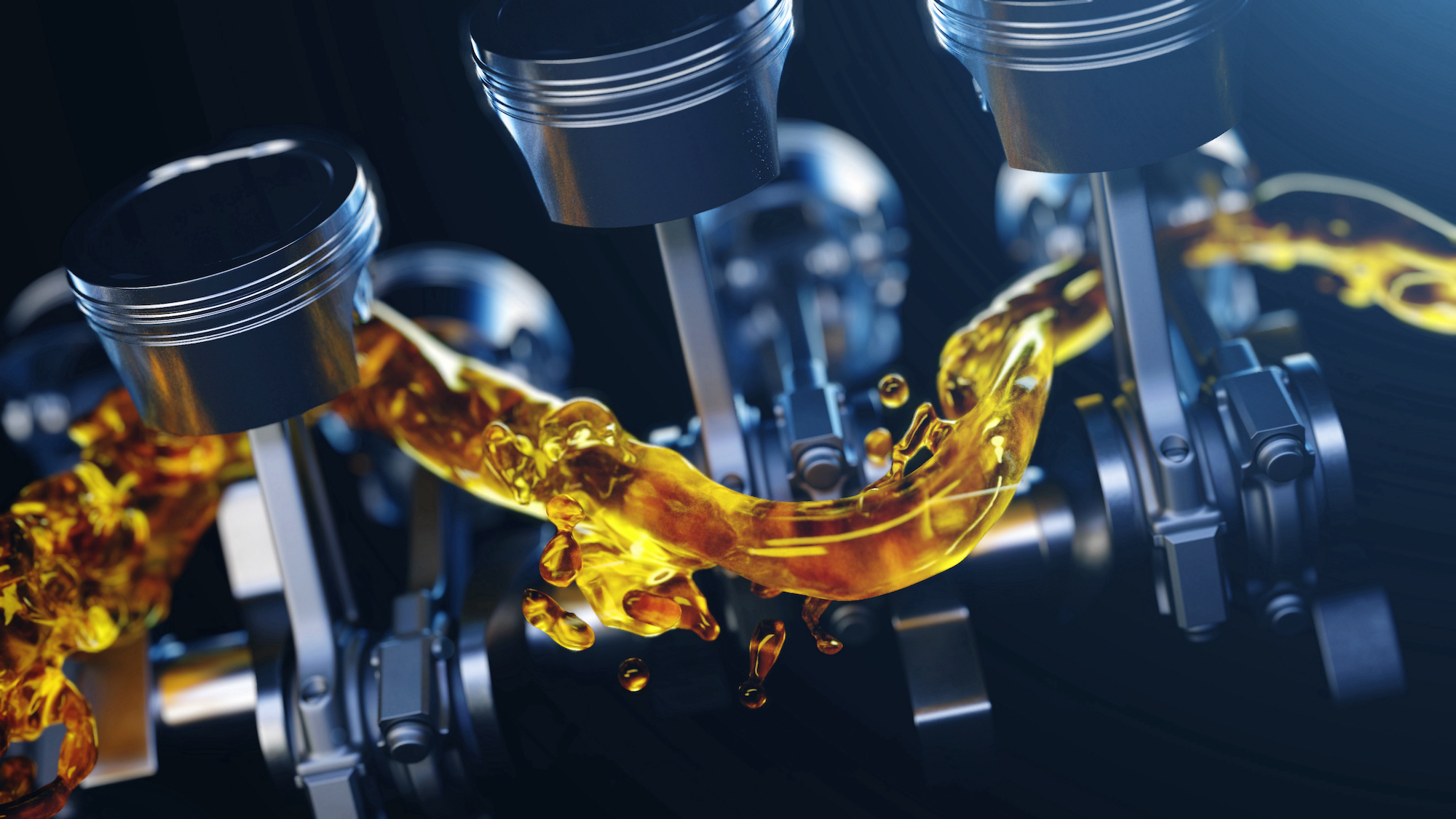
Signal 1: Look at the oxide content of the lubricating oil
With continuous use, the lubricant is exposed to air, where oxide levels continue to rise, and the oil efficiency gradually decreases. If the total acid number far exceeds its initial value, then the lubricant needs to be replaced.Secondly, the number of particles in the lubricating oil can be observed, and the number of particles tells people how clean the lubricating oil is and how well the filtration system is performing. If the particle count is high, it is also a warning sign.
Signal 2: Look at moisture
Moisture is the natural enemy of lubricants. Especially in humid environments, if the lubricating oil is directly exposed to water vapor, it will increase the water content of the lubricating oil, which will greatly reduce the effectiveness of the lubricating oil.If there is water in the lubricating oil, it will destroy the oil film formed by the lubricating oil, make the effect of the lubricating oil worse, accelerate the corrosive effect of organic acids on metals, and corrode the equipment. At this time, the oil is also more prone to sediment.Different lubricants have different water tolerances, no matter what brand of lubricant is used, exceeding the water content is a serious warning sign, if found, change the oil immediately!
Signal 3: Look at mechanical impurities
Mechanical impurities are precipitates or colloidal suspensions present in lubricating oils that are insoluble in solvents such as gasoline, ethanol and benzene. Most of these impurities are sand and iron filings, as well as some organometallic salts that are insoluble in solvents brought by additives. In general, the mechanical impurities of lubricating oil base oils are controlled below 0.005%. If there is a significant excess of impurities, change the oil!
Signal 4: Look at viscosity
Viscosity reflects the internal friction of an oil and is an indicator of the oiliness and fluidity of an oil. Under the premise of not adding any functional additives, the greater the viscosity, the higher the strength of the oil film and the worse the fluidity.
By tracking the dosing amount of lubricant in the operation, it is easy to detect its increasing viscosity. The increase in viscosity is directly related to lubrication wear, and the most important rule to remember is that once the viscosity of the oil has increased by 10%, the oil must be replaced immediately.
Thousands of questions for maintenance, you ask and I will answer. If you encounter other problems in the use of the device, please leave a message to communicate, and Brother Chong will try his best to answer for you.
Related testimonials

Car report: Sansan Shoutai 2025 750 tons all-ground first-hand evaluation: loose master, return to the cost of a sharp weapon
2025.05.06

Wind power sharps hoisting new peak SCC18000TM-8 participated in the construction of the country's first 185m mountain mixed tower wind power construction
2025.05.01
Sany wind turbine + Sany main crane, independently supporting the challenge of 185m the country's highest mountain mixed tower wind power
2025.05.01




0 comments