

Phase 3 | How to achieve energy-saving driving in different driving scenarios
2023.12.27
Sany heavy truck
Similar to fuel vehicles, electric vehicles also need energy-saving driving, energy-saving driving is a complex system engineering related to people, vehicles, roads, etc., and the technical level of the driver to control the vehicle is the key link that affects the energy consumption of the vehicle.
The first two energy-saving driving tutorials respectively explained how to achieve energy-saving driving at different driving speeds, as well as kinetic energy recovery operation tutorials. The third session will explain: how to achieve energy-saving driving under different working conditions.
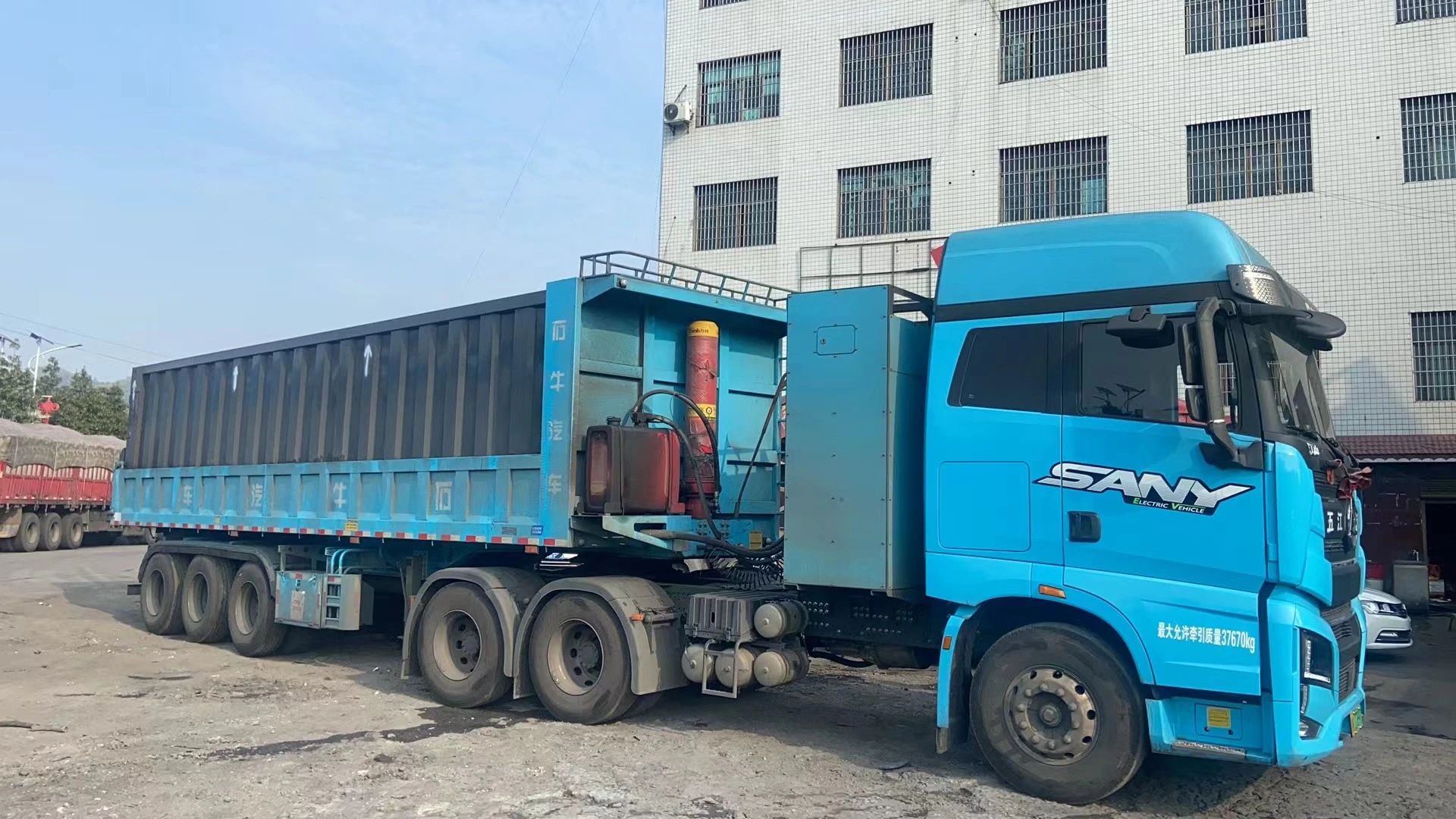
The lower lane is shortened (focusing on start-stop control)
The traffic flow is short, the traffic lights are many, the road conditions are complex, the vehicle starts and stops more frequently, and the acceleration pedal should be paid attention to when starting and refueling, and try to avoid braking and deceleration immediately after acceleration. Try to avoid starting and stopping the vehicle, the more starts and stops, the greater the power consumption.
When decelerating, give priority to using retarding brake to decelerate, toggle the retarder lever or wave wheel to adjust the retarding level to a higher gear, so that the speed of the vehicle is rapidly reduced, and then use the brake pedal to stop when the speed drops below 10km/h, so as to reduce the kinetic energy loss during braking, increase the energy recovery rate, and reduce power consumption.
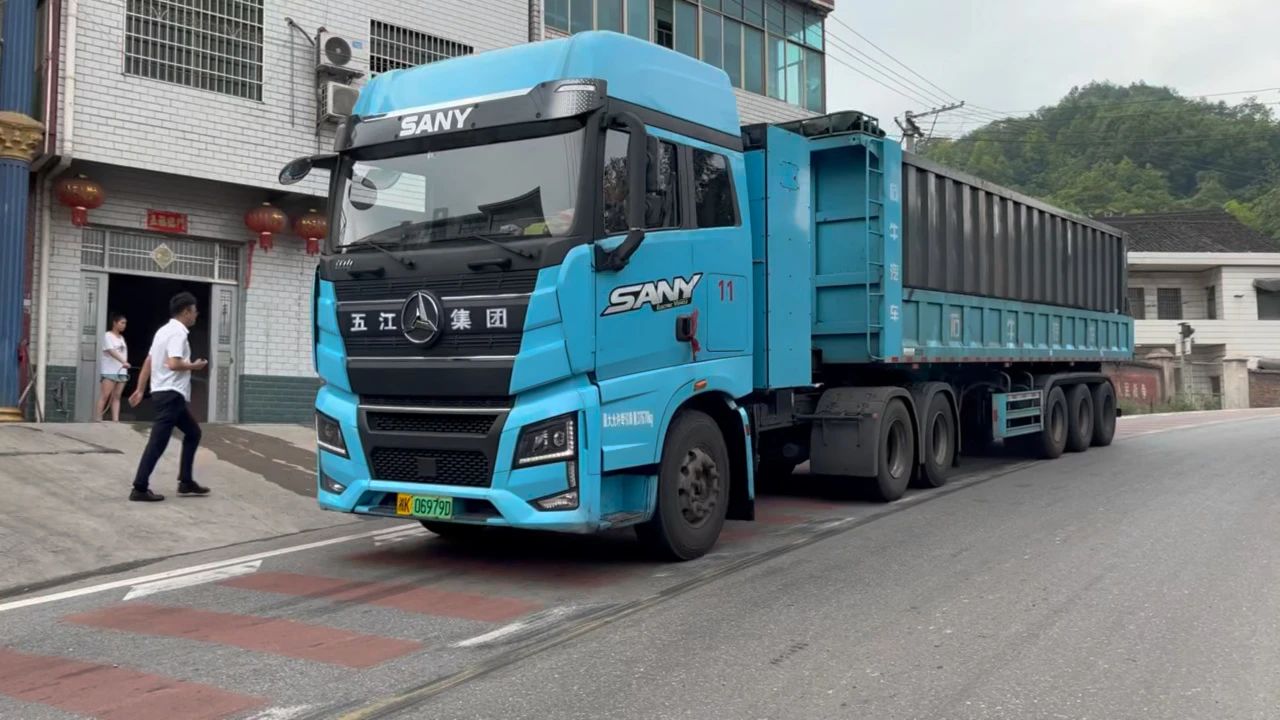
For example, when you see that the traffic light can be far away, you can start to dial to the high recovery level, so that the vehicle can slow down, so as to avoid emergency braking before the traffic light, and try to control the vehicle to pass the traffic light without stopping.
For example, when the downhill speed is expected to be 60 km/h, the actual speed is greater than 60 km/h, and the speed can be controlled at about 60 km/h by toggling 1 or 2 or higher depending on the situation.
When accelerating, the accelerator pedal is slowly pressed, and the instrument power can be controlled within 200kW for heavy vehicles and 100kW for empty vehicles.
Use in mountainous areas (with a focus on electric speed control)
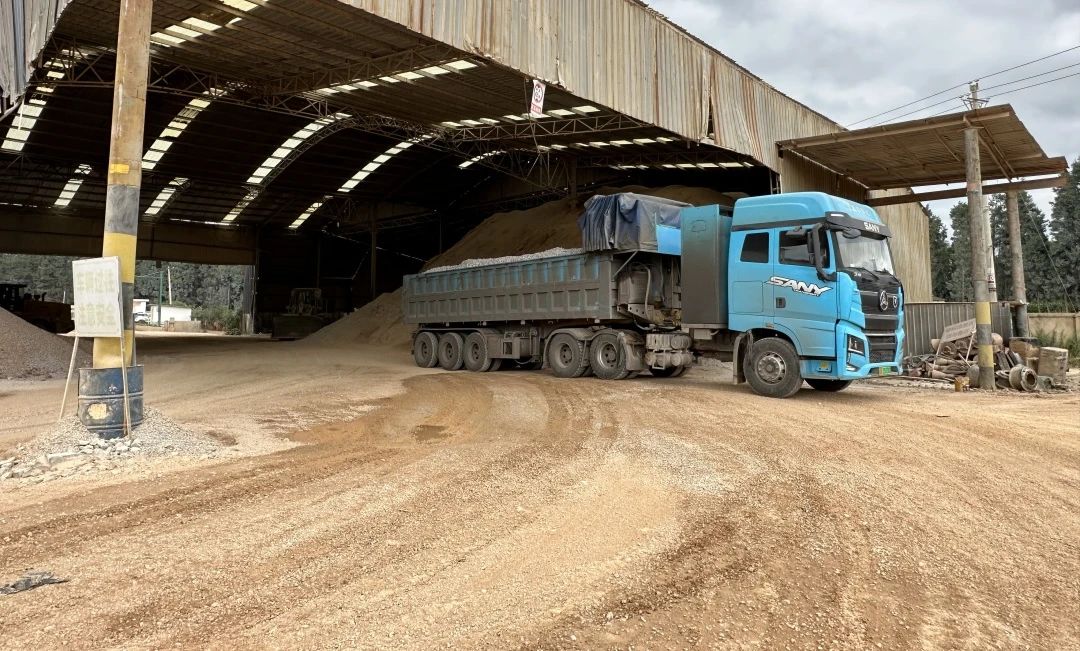
The electric slow energy recovery function of electric heavy trucks refers to the function of auxiliary deceleration through the kinetic energy recovery of the motor after the accelerator pedal is released when the vehicle is in D gear, which can reduce the wear and heat of the brake system and effectively reduce the energy consumption of the whole vehicle. In order to ensure braking safety and improve energy recovery, electric retarding should be used to achieve deceleration braking.
Generally speaking, when the battery temperature is 25~40°C, the gearbox is not in the highest gear, the battery level is less than 85%, the vehicle is in good health (no fault), the battery life is high, and the vehicle speed is above 25Km/h, the recovery can reach the maximum.
It should be noted that the strength of the electric energy recovery function is affected by vehicle speed, battery level, temperature, vehicle health, energy recovery gear, battery life, etc. The electric slow does not work when the battery is more than 95%, and in some sections with large slopes, it is difficult to achieve the braking demand by the electric slow alone, and the driver needs to use it in conjunction with the brake pedal.
Cruising use (high-speed operation)
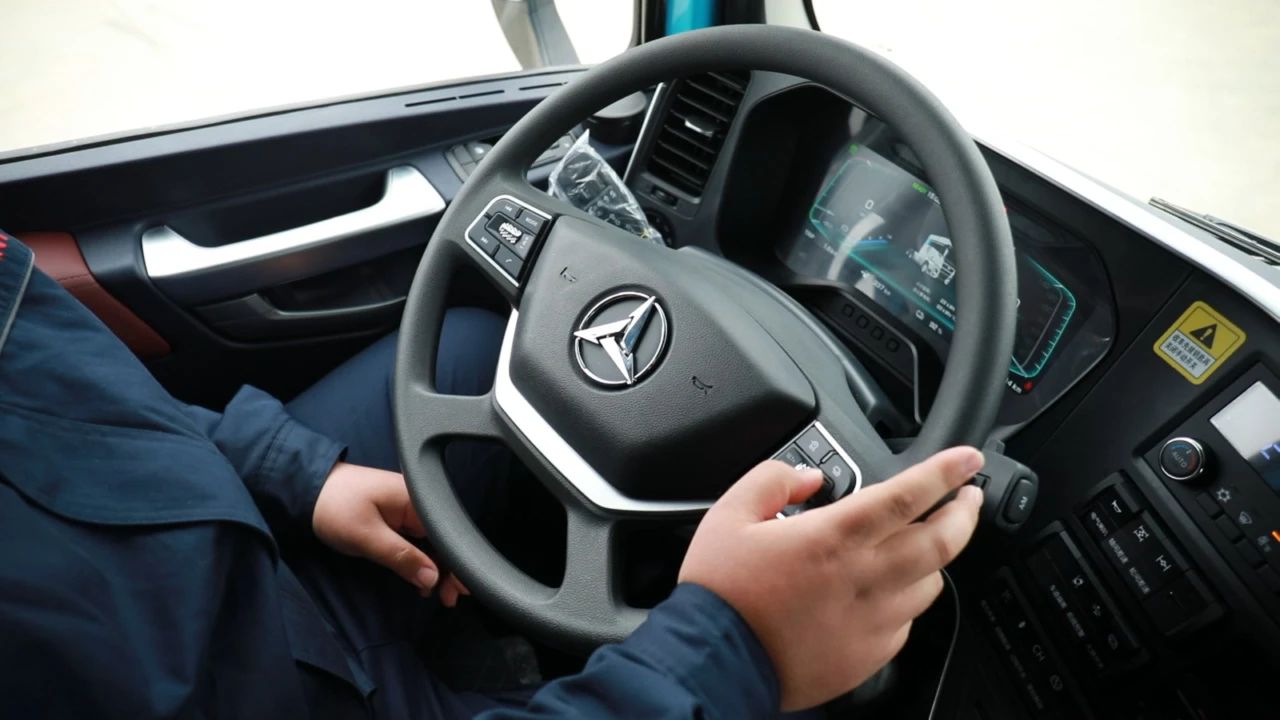
The cruise control function can help electric vehicles maintain a stable driving speed and avoid frequent acceleration and deceleration. The cruise control function avoids unnecessary braking and reduces the loss of kinetic energy.
On downhill descents, cruise control automatically reduces the power supply, using gravity and inertia to help the vehicle move forward, reducing the use of battery energy. Cruising is mostly used in high-speed working conditions and heavy-duty downhill working conditions, the vehicle needs to be equipped with a cruising button, the operation panel is shown in the figure below, when you need to enter the cruise, press the A button first, and then press the B button, then cruise according to the set speed.
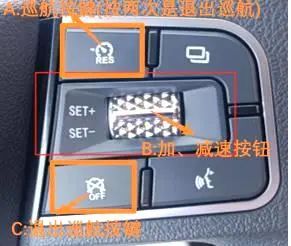
When the speed needs to be adjusted, the silver roller B is toggled forward once (SET+) (needs to be returned), that is, the speed of the vehicle is increased by 2km/h; Press the silver wheel B and toggle it backward once (SET-) (need to return), that is, reduce the speed of the vehicle by 2km/h. When exiting the cruise, pressing the A button twice in a row will exit the cruise, and pressing the C button to exit the cruise.
Related testimonials
The new star of express delivery Sany Jiangshan SE636 electric heavy truck is shockingly listed!
2025.06.28
Express new star, why Sany Jiangshan SE636 can always be one step ahead!
2025.06.19
The 4th China-Africa Economic and Trade Expo ended successfully, and Sany Heavy Truck performed brilliantly!
2025.06.17



0 comments