
Earth-moving machineryConcrete machinerycraneRoad machineryPiling machineryCoal machineryPort machineryWind power equipmentSany heavy truckTrinity ConstructionPetroleum equipmentTrinity EnvironmentEnvironmental engineeringEmergency rescue equipmentMining dump truckstip truckAerial work machineryLithium battery equipmentWarehousing and logisticsPhotovoltaic productsHydrogen equipmentCrushing equipment
Micro-diggingSmall diggingMedium diggingBig diggingWheeled excavatorsLoaderDiversify your productsAttachments
Pump trucksMixer trucksConcrete batching plantOn-board pumpsElectric vehicle on-board pumpsTow pumpMortar pumpsWet sprayerFilling pumpsNew energy mixer truckDry mix mortar mixing plantMortar/concrete dual-purpose batching plant
Truck cranesAll-terrain cranesTruss boom crawler craneTelescopic crawler craneMultifunctional crawler craneFlat-top tower craneTruck-mounted cranes
Reach stackerContainer empty container handlersforkliftGrab steel (material) machinePure electric port tractorTelehandlersShore-to-shore container cranesRail-mounted container gantry craneRubber-tyred container gantry craneGantry crane
3.X Medium and low wind speed wind turbines4.X Medium and high wind speed / all-weather / customized product platform5.X-6. X MW customized product platform
Smart PC equipmentIntelligent AAC equipmentIntelligent steel processing equipmentMobile crushing and screening equipmentMould fixturesCategory 2 standards3 soft 1 platform
Mechanical fracturingElectric fracturingOil-connected equipmentWellhead automationOilfield machineryFracturing pumps
Pure electric road cleaning vehiclePure electric solid waste collection and transfer vehicleMunicipal maintenance vehicles
Compressed air foam fire truckdroneSpecial-duty fire trucksCombat logistics support fire trucksRaise jet fire trucksAscending platform fire truck
High-speed homogenization systemDouble-layer extrusion coaterRoller pressing and slitting machineZ-type cutting and stacking machineWinding machinePrimary and secondary injection machinesCompound capacity needle bedModule PACK line

Earth-moving machineryConcrete machinerycraneRoad machineryPiling machineryCoal machineryPort machineryWind power equipmentSany heavy truckTrinity ConstructionPetroleum equipmentTrinity EnvironmentEnvironmental engineeringEmergency rescue equipmentMining dump truckstip truckAerial work machineryLithium battery equipmentWarehousing and logisticsPhotovoltaic productsHydrogen equipmentCrushing equipment
Micro-diggingSmall diggingMedium diggingBig diggingWheeled excavatorsLoaderDiversify your productsAttachments
Pump trucksMixer trucksConcrete batching plantOn-board pumpsElectric vehicle on-board pumpsTow pumpMortar pumpsWet sprayerFilling pumpsNew energy mixer truckDry mix mortar mixing plantMortar/concrete dual-purpose batching plant
Truck cranesAll-terrain cranesTruss boom crawler craneTelescopic crawler craneMultifunctional crawler craneFlat-top tower craneTruck-mounted cranes
Reach stackerContainer empty container handlersforkliftGrab steel (material) machinePure electric port tractorTelehandlersShore-to-shore container cranesRail-mounted container gantry craneRubber-tyred container gantry craneGantry crane
3.X Medium and low wind speed wind turbines4.X Medium and high wind speed / all-weather / customized product platform5.X-6. X MW customized product platform
Smart PC equipmentIntelligent AAC equipmentIntelligent steel processing equipmentMobile crushing and screening equipmentMould fixturesCategory 2 standards3 soft 1 platform
Mechanical fracturingElectric fracturingOil-connected equipmentWellhead automationOilfield machineryFracturing pumps
Pure electric road cleaning vehiclePure electric solid waste collection and transfer vehicleMunicipal maintenance vehicles
Compressed air foam fire truckdroneSpecial-duty fire trucksCombat logistics support fire trucksRaise jet fire trucksAscending platform fire truck
High-speed homogenization systemDouble-layer extrusion coaterRoller pressing and slitting machineZ-type cutting and stacking machineWinding machinePrimary and secondary injection machinesCompound capacity needle bedModule PACK line
Sany Heavy Industry Sany Heavy Industry Co., Ltd. (SH:600031)
Trinity International Sany International (HK:00631)
Sany Renewable Energy Sany Renewable Energy (SH:688349)
Home > Industry information > What is carbon neutrality and carbon peaking? What is the impact on oil service companies?
What is carbon neutrality and carbon peaking? What is the impact on oil service companies?
2021.05.24
Oil service net
At the National People's Congress and the National People's Congress in 2021, carbon peaking and carbon neutrality were written into the "Government Work Report" for the first time.
Since last year, "carbon neutrality" and "carbon peak" have frequently swept the oil and gas circle, and oil people feel a crisis - what are these new terms? Will it affect the development of the oil and gas industry? Through this article, the editor will answer your questions.
What is "carbon"? What's the harm in it?
Carbon is mainly derived from resources made of carbon such as oil, coal, and wood, and carbon dioxide is emitted during the consumption of carbon, which is the culprit of global warming, which in turn causes many problems such as melting glaciers and extinction.
Global warming is harmful:
Rising temperatures are melting glaciers, rising sea levels, more coastal cities disappearing, and more animals are on the brink of extinction;
The heat energy brought by the rise in temperature provides huge kinetic energy to the air and the ocean, forming disasters such as large or even super-large typhoons, hurricanes, and tsunamis;
Rising temperatures prompt plants to bloom and produce more pollen, and the allergy season will last longer.
What exactly are "carbon peak" and "carbon neutrality"?
Climate change is a global problem faced by mankind, therefore, countries around the world to reduce greenhouse gases in the form of a global agreement, China, as the world's largest greenhouse gas emitter, actively participate in carbon reduction, and put forward the goal of carbon peak and carbon neutrality, reflecting the responsibility of a major country.
Carbon peaking refers to China's commitment that carbon dioxide emissions will not increase by 2030 and will gradually decrease after reaching the peak.
Carbon neutrality refers to the calculation of the total amount of greenhouse gas emissions directly or indirectly generated by enterprises, groups or individuals within a certain period of time, and then offset the carbon dioxide emissions generated by themselves through plant afforestation, energy conservation and emission reduction, etc., to achieve "zero emissions" of carbon dioxide.
"Carbon Peak" and "Carbon Neutrality" milestones:
In September 2020, General Secretary Xi Jinping delivered an important speech at the 75th session of the United Nations General Assembly, proposing that China will adopt more powerful policies and measures to strive to peak carbon dioxide emissions before 2030 and achieve carbon neutrality before 2060.
In December 2020, the Central Economic Work Conference set "doing a good job in carbon peak and carbon neutrality" as one of the eight priorities for 2021;
At this year's two sessions, "carbon peak" and "carbon neutrality" were written into the government work report for the first time.
The oil and gas industry is the main body of emission reduction
For developing countries like China, the coordination of climate change control and "internal" economic growth is a major problem, and we face many technical and economic pressures from energy restructuring and "carbon neutrality".
As traditional fossil fuels, oil and gas have always been the "big contributors" of carbon emissions. According to statistics from the International Energy Agency, global carbon dioxide emissions in 2019 were 33 billion tons, mainly due to the use of primary energy sources such as coal, oil and natural gas, of which oil and natural gas accounted for 18.2 billion tons, accounting for 55%. The entire value chain of the oil and gas industry, from extraction, transportation, storage to end application, will generate a large amount of carbon emissions, and to achieve the goal of carbon neutrality, the oil and gas industry is bound to become the main body of emission reduction.
According to McKinsey's global analysis, oil and gas demand as a share of total energy demand would need to fall from the current 55% to 15% in 2050 under the 1.5C scenario. According to an analysis by the National Energy Research Institute, China's oil demand could fall by 70%-85% by 2050.
Challenges and opportunities for upstream oil and gas
From the current stage, the domestic demand for primary energy is large and continues to grow, and the low-carbon transformation of China's oil and gas industry needs to take into account energy security. In the long run, carbon reduction is an important topic that all oil and gas industry chain enterprises should include in their plans as soon as possible.
It is recommended that oil service companies have an in-depth understanding of the impact of national carbon emission reduction targets on the oil and gas industry chain, and explore carbon reduction opportunities through a series of means such as scientific and technological innovation in combination with their business and carbon emissions, so as to join and even drive the transformation of the industrial chain.
Stabilizing oil and gas: At least in the next 5-7 years, China's oil and gas demand will continue to rise, and stabilizing oil and gas is still the foundation for the development of oil enterprises.
Technological innovation: Emphasis on the layout of cutting-edge low-carbon technologies and businesses, such as clean oil and gas development, transformation and utilization technology, clean and efficient recyclable production technology, carbon capture and carbon recycling technology, etc., to strive for more initiative in future development.
Expand the territory: Actively explore and expand the business territory in the field of new energy, and promote the company's energy transformation through various paths.
Related testimonials
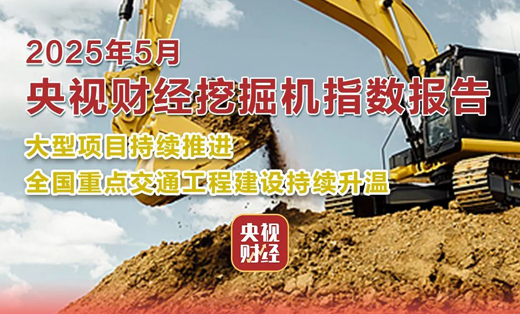
CCTV Finance × Sany Heavy Industry: Transportation construction continues to heat up! In May, the infrastructure was full of bright spots →
2025.06.17
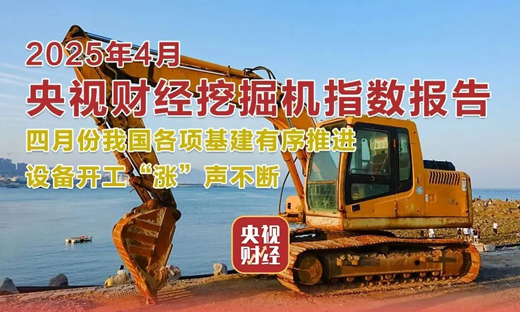
CCTV Finance × Sany Heavy Industry: Infrastructure results are released! Anhui is soaring, and the equipment of the western port has become a "dark horse"
2025.05.19
China's installed wind and solar capacity has historically surpassed that of thermal power
2025.04.28




0 comments