
Earth-moving machineryConcrete machinerycraneRoad machineryPiling machineryCoal machineryPort machineryWind power equipmentSany heavy truckTrinity ConstructionPetroleum equipmentTrinity EnvironmentEnvironmental engineeringEmergency rescue equipmentMining dump truckstip truckAerial work machineryLithium battery equipmentWarehousing and logisticsPhotovoltaic productsHydrogen equipmentCrushing equipment
Micro-diggingSmall diggingMedium diggingBig diggingWheeled excavatorsLoaderDiversify your productsAttachments
Pump trucksMixer trucksConcrete batching plantOn-board pumpsElectric vehicle on-board pumpsTow pumpMortar pumpsWet sprayerFilling pumpsNew energy mixer truckDry mix mortar mixing plantMortar/concrete dual-purpose batching plant
Truck cranesAll-terrain cranesTruss boom crawler craneTelescopic crawler craneMultifunctional crawler craneFlat-top tower craneTruck-mounted cranes
Reach stackerContainer empty container handlersforkliftGrab steel (material) machinePure electric port tractorTelehandlersShore-to-shore container cranesRail-mounted container gantry craneRubber-tyred container gantry craneGantry crane
3.X Medium and low wind speed wind turbines4.X Medium and high wind speed / all-weather / customized product platform5.X-6. X MW customized product platform
Smart PC equipmentIntelligent AAC equipmentIntelligent steel processing equipmentMobile crushing and screening equipmentMould fixturesCategory 2 standards3 soft 1 platform
Mechanical fracturingElectric fracturingOil-connected equipmentWellhead automationOilfield machineryFracturing pumps
Pure electric road cleaning vehiclePure electric solid waste collection and transfer vehicleMunicipal maintenance vehicles
Compressed air foam fire truckdroneSpecial-duty fire trucksCombat logistics support fire trucksRaise jet fire trucksAscending platform fire truck
High-speed homogenization systemDouble-layer extrusion coaterRoller pressing and slitting machineZ-type cutting and stacking machineWinding machinePrimary and secondary injection machinesCompound capacity needle bedModule PACK line

Earth-moving machineryConcrete machinerycraneRoad machineryPiling machineryCoal machineryPort machineryWind power equipmentSany heavy truckTrinity ConstructionPetroleum equipmentTrinity EnvironmentEnvironmental engineeringEmergency rescue equipmentMining dump truckstip truckAerial work machineryLithium battery equipmentWarehousing and logisticsPhotovoltaic productsHydrogen equipmentCrushing equipment
Micro-diggingSmall diggingMedium diggingBig diggingWheeled excavatorsLoaderDiversify your productsAttachments
Pump trucksMixer trucksConcrete batching plantOn-board pumpsElectric vehicle on-board pumpsTow pumpMortar pumpsWet sprayerFilling pumpsNew energy mixer truckDry mix mortar mixing plantMortar/concrete dual-purpose batching plant
Truck cranesAll-terrain cranesTruss boom crawler craneTelescopic crawler craneMultifunctional crawler craneFlat-top tower craneTruck-mounted cranes
Reach stackerContainer empty container handlersforkliftGrab steel (material) machinePure electric port tractorTelehandlersShore-to-shore container cranesRail-mounted container gantry craneRubber-tyred container gantry craneGantry crane
3.X Medium and low wind speed wind turbines4.X Medium and high wind speed / all-weather / customized product platform5.X-6. X MW customized product platform
Smart PC equipmentIntelligent AAC equipmentIntelligent steel processing equipmentMobile crushing and screening equipmentMould fixturesCategory 2 standards3 soft 1 platform
Mechanical fracturingElectric fracturingOil-connected equipmentWellhead automationOilfield machineryFracturing pumps
Pure electric road cleaning vehiclePure electric solid waste collection and transfer vehicleMunicipal maintenance vehicles
Compressed air foam fire truckdroneSpecial-duty fire trucksCombat logistics support fire trucksRaise jet fire trucksAscending platform fire truck
High-speed homogenization systemDouble-layer extrusion coaterRoller pressing and slitting machineZ-type cutting and stacking machineWinding machinePrimary and secondary injection machinesCompound capacity needle bedModule PACK line
Sany Heavy Industry Sany Heavy Industry Co., Ltd. (SH:600031)
Trinity International Sany International (HK:00631)
Sany Renewable Energy Sany Renewable Energy (SH:688349)
Home > Industry information > Sany Renewable Energy: The swept wind area per kilowatt has made another breakthrough to help the development of ultra-low wind speed resources
Sany Renewable Energy: The swept wind area per kilowatt has made another breakthrough to help the development of ultra-low wind speed resources
2021.09.09
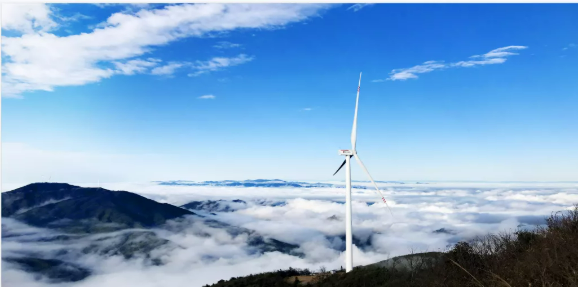
In recent years, with the increasing installed capacity in the southern Middle East, the exploitable capacity of low-wind speed resources has gradually decreased, and new development projects have gradually reduced not only the wind speed, but also the available turbine seats. In addition, the cancellation of subsidies for wind power projects has also led to a decline in project investment returns, which will inevitably affect developers' willingness to invest, which is not conducive to the high-quality realization of the "3060" carbon emission reduction target.
0 comments
Related testimonials
CCTV Finance × Sany Heavy Industry: Transportation construction continues to heat up! In May, the infrastructure was full of bright spots →
2025.06.17
CCTV Finance × Sany Heavy Industry: Infrastructure results are released! Anhui is soaring, and the equipment of the western port has become a "dark horse"
2025.05.19
China's installed wind and solar capacity has historically surpassed that of thermal power
2025.04.28




0 comments