

Full text released! The overall deployment of carbon peak and carbon neutrality at the central level was unveiled!
2021.10.24
CWEA
Opinions on Completely, Accurately, and Comprehensively Implementing the New Development Concept and Doing a Good Job in Carbon Peak and Carbon Neutrality issued by the Central Committee of the Communist Party of China and the State CouncilReleased on the 24th. As the "1" in the "1+N" policy system of carbon peak and carbon neutrality, the opinions are to carry out systematic planning and overall deployment for the major work of carbon peak and carbon neutrality. According to the opinions, by 2030, the comprehensive green transformation of economic and social development will achieve remarkable results, and the energy utilization efficiency of key energy-consuming industries will reach the international advanced level. By 2060, an economic system of green, low-carbon and circular development and a clean, low-carbon, safe and efficient energy system will be fully established, energy utilization efficiency will reach the international advanced level, and the proportion of non-fossil energy consumption will reach more than 80%. (Xinhua News Agency reporters An Bei, Xie Xiyao, poster design Yang Yiqun)
Xinhua News Agency, BeijingOctober 24th
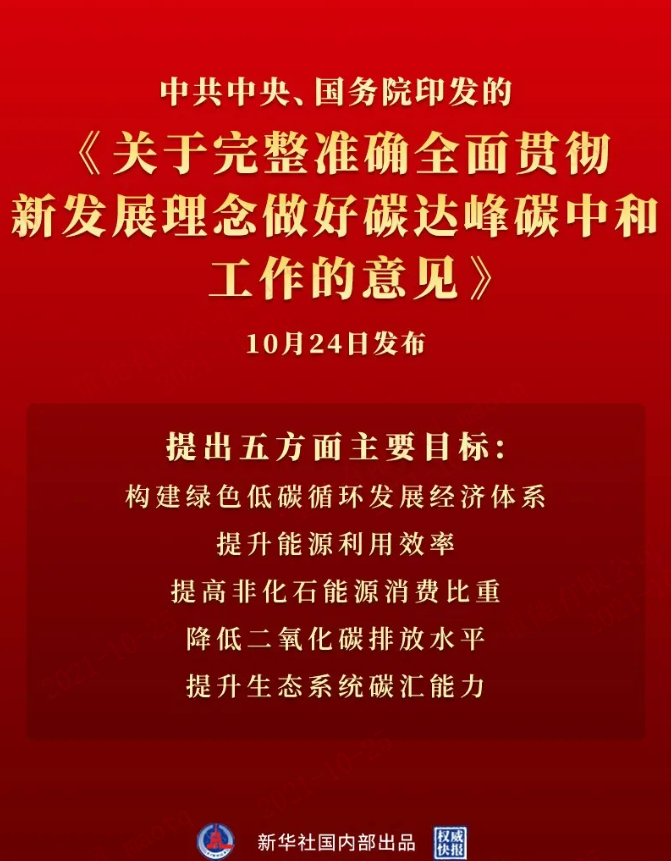
Cpc central committeeOpinions of the State Council on completely, accurately, and comprehensively implementing the new development concept and doing a good job in carbon peak and carbon neutrality
(September 22, 2021)
Achieving carbon peak and carbon neutrality is a major strategic decision made by the CPC Central Committee with Comrade Xi Jinping at the core to coordinate the overall domestic and international situations, an inevitable choice to solve the outstanding problems of resource and environmental constraints and realize the sustainable development of the Chinese nation, and a solemn commitment to build a community with a shared future for mankind. In order to completely, accurately and comprehensively implement the new development concept, and do a good job in carbon peak and carbon neutrality, the following opinions are hereby put forward.
1. General requirements
(1) Guiding ideology. Guided by Xi Jinping Thought on Socialism with Chinese Characteristics for a New Era, fully implement the spirit of the 19th National Congress of the Communist Party of China and the 2nd, 3rd, 4th, and 5th Plenary Sessions of the 19th CPC Central Committee, thoroughly implement Xi Jinping Thought on Ecological Civilization, base ourselves on the new stage of development, implement the new development concept, build a new development pattern, adhere to the system concept, handle the relationship between development and emission reduction, overall and partial, short-term and medium- and long-term, integrate carbon peaking and carbon neutrality into the overall economic and social development, and take the comprehensive green transformation of economic and social development as the guide. With green and low-carbon energy development as the key, we will accelerate the formation of an industrial structure, production mode, lifestyle, and spatial pattern that conserves resources and protects the environment, and unswervingly follow a high-quality development path that prioritizes ecology and is green and low-carbon, so as to ensure that carbon peaking and carbon neutrality are achieved as scheduled.
(2) Working principles
To achieve the goals of carbon peak and carbon neutrality, we must adhere to itThe principle of "national overall planning, saving priority, two-wheel drive, internal and external smoothness, and risk prevention".
-- Nationwide overall planning. The whole country is a game of chess, strengthen the top-level design, give full play to the advantages of the system, implement the same responsibility of the party and the government, and consolidate the responsibilities of all parties. According to the actual classification of local policies, encourage initiative and take the lead in reaching the peak.
- Saving first. Put energy conservation in the first place, implement a comprehensive conservation strategy, continue to reduce energy resource consumption and carbon emissions per unit of output, improve input-output efficiency, advocate a simple, moderate, green and low-carbon lifestyle, and form an effective carbon emission control valve from the source and entrance.
- Two-wheel drive. The government and the market should work together to build a new national system, strengthen scientific and technological and institutional innovation, and accelerate the green and low-carbon technological revolution. Deepen the reform of energy and related fields, give full play to the role of market mechanisms, and form an effective incentive and restraint mechanism.
-- Smooth inside and outside. Based on the actual national conditions, we will coordinate domestic and international energy resources and promote advanced green and low-carbon technologies and experiences. We will make overall plans for foreign struggle and cooperation in response to climate change, continuously enhance our international influence and discourse, and resolutely safeguard China's development rights and interests.
- Prevent risks. Handle the relationship between pollution reduction and carbon reduction and energy security, industrial and supply chain security, food security, and the normal life of the people, effectively respond to the economic, financial, and social risks that may accompany the green and low-carbon transition, prevent overreaction, and ensure safe carbon reduction.
Second, the main objectives
arriveIn 2025, an economic system of green, low-carbon and circular development will take shape, and the energy efficiency of key industries will be greatly improved. Energy consumption per unit of GDP decreased by 13.5% compared to 2020; CO2 emissions per unit of GDP decreased by 18% compared to 2020; The proportion of non-fossil energy consumption reaches about 20%; The forest coverage rate has reached 24.1%, and the forest stock has reached 18 billion cubic meters, laying a solid foundation for achieving carbon peak and carbon neutrality.
arriveBy 2030, the comprehensive green transformation of economic and social development will achieve remarkable results, and the energy utilization efficiency of key energy-consuming industries will reach the international advanced level. Energy consumption per unit of GDP has dropped significantly; Carbon dioxide emissions per unit of GDP decreased by more than 65% compared with 2005; The proportion of non-fossil energy consumption has reached about 25%, and the total installed capacity of wind power and solar power generation has reached more than 1.2 billion kilowatts; The forest coverage rate has reached about 25%, the forest stock has reached 19 billion cubic meters, and carbon dioxide emissions have reached a peak and achieved a steady decline.
arriveBy 2060, an economic system of green, low-carbon and circular development and a clean, low-carbon, safe and efficient energy system will be fully established, energy utilization efficiency will reach the international advanced level, the proportion of non-fossil energy consumption will reach more than 80%, the goal of carbon neutrality will be successfully achieved, and the construction of ecological civilization will achieve fruitful results, creating a new realm of harmonious coexistence between man and nature.
3. Promote the comprehensive green transformation of economic and social development
(3) Strengthen the guidance of green and low-carbon development planning. The requirements of carbon peak and carbon neutrality goals will be fully integrated into the medium- and long-term planning of economic and social development, and the support and guarantee of national development planning, territorial and spatial planning, special planning, regional planning and local planning at all levels will be strengthened. Strengthen the cohesion and coordination between all levels and types of plans, and ensure that the implementation of the main goals, development directions, major policies, and major projects of carbon peaking and carbon neutrality in all regions and fields is coordinated.
(4) Optimize the regional layout of green and low-carbon development. We will continue to optimize the distribution of major infrastructure, major productive forces and public resources, and build a new pattern of land and space development and protection that is conducive to carbon peak and carbon neutrality. In the implementation of major regional strategies such as the coordinated development of Beijing-Tianjin-Hebei, the development of the Yangtze River Economic Belt, the construction of the Guangdong-Hong Kong-Macao Greater Bay Area, the integrated development of the Yangtze River Delta, and the ecological protection and high-quality development of the Yellow River Basin, we will strengthen the orientation and task requirements of green and low-carbon development.
(5) Accelerate the formation of green production and lifestyle. We will vigorously promote energy conservation and emission reduction, comprehensively promote cleaner production, accelerate the development of circular economy, strengthen the comprehensive utilization of resources, and continuously improve the level of green and low-carbon development. Expand the supply and consumption of green and low-carbon products, and advocate green and low-carbon lifestyles. Integrate green and low-carbon development into the national education system. Carry out the demonstration and creation of green and low-carbon social actions. Gather the consensus of the whole society and accelerate the formation of a good pattern of participation by the whole people.
Fourth, in-depth adjustment of the industrial structure
(6) Promote the optimization and upgrading of the industrial structure. Accelerate the green development of agriculture and promote agricultural carbon sequestration and efficiency. Formulate implementation plans for carbon peaking in industries and fields such as energy, iron and steel, non-ferrous metals, petrochemicals, building materials, transportation, and construction. Guided by energy conservation and carbon reduction, the guiding catalogue for industrial structure adjustment was revised. Carry out steel and coal production capacity"Looking back" and consolidating the results of de-capacity. Accelerate the innovation and digital transformation of low-carbon processes in the industrial sector. Carry out the construction of pilot parks for carbon peaking. Accelerate the green transformation of commercial and trade circulation and information services, and improve the low-carbon development level of the service industry.
(7) Resolutely curb the blind development of high-energy-consuming and high-emission projects. New construction and expansion of steel, cement, flat glass, electrolytic aluminum and other high-energy-consuming and high-emission projects will strictly implement the same or reduced replacement of production capacity, and introduce capacity control policies for coal power, petrochemical, coal chemical industry, etc. If it is not included in the industrial planning of the relevant fields of the state, it shall not be allowed to build, renovate and expand oil refining and new ethylene, paraxylene and coal-to-olefin projects. Reasonably control the scale of coal-to-oil and gas production capacity. Improve the energy consumption access standards for high-energy-consuming and high-emission projects. Strengthen overcapacity analysis, early warning and window guidance.
(8) Vigorously develop green and low-carbon industries. Accelerate the development of a new generation of information technology, biotechnology, new energy, new materials, high-end equipment, new energy vehicles, green environmental protection, aerospace, marine equipment and other strategic emerging industries. Build a green manufacturing system. Promote the Internet, big data, artificial intelligence, fifth-generation mobile communications (5G) and other emerging technologies are deeply integrated with green and low-carbon industries.
5. Accelerate the construction of a clean, low-carbon, safe and efficient energy system
(9) Strengthen the dual control of energy consumption intensity and total amount. Adhere to the energy development strategy of giving priority to energy conservation, strictly control energy consumption and carbon dioxide emission intensity, reasonably control the total energy consumption, and establish a total carbon dioxide emission control system as a whole. Do a good job in the connection of industrial layout, structural adjustment, energy-saving review and dual control of energy consumption, and implement project deferral, limited approval, and equal or reduced energy consumption in areas where the completion of energy intensity reduction targets is severe. Strengthen energy-saving supervision and law enforcement, strengthen the analysis and early warning of energy consumption and carbon dioxide emission control targets, and strictly implement and evaluate the implementation of responsibility. Strengthen the control of non-carbon dioxide greenhouse gases such as methane.
(10) Greatly improve energy efficiency. We will continue to deepen energy conservation in key areas such as industry, construction, transportation, and public institutions, and improve the energy efficiency of information infrastructure such as data centers and new communications. Improve the energy management system, strengthen the energy-saving management and target responsibility of key energy-using units. Aiming at the international advanced level, we will accelerate the implementation of energy-saving and carbon-reduction transformation and upgrading, and create energy efficiency"Top Runner".
(11) Strictly control fossil energy consumption. Accelerate the pace of coal reduction,During the 14th Five-Year Plan period, the growth of coal consumption was strictly controlled, and gradually decreased during the 15th Five-Year Plan period. During the 15th Five-Year Plan period, oil consumption entered a peak plateau period. Coordinate the development of coal-fired power generation and ensure supply and peak regulation, strictly control the installed capacity of coal-fired power plants, and accelerate the energy-saving upgrading and flexible transformation of existing coal-fired power units。 Gradually reduce until the coal is burned. Accelerate the large-scale development of unconventional oil and gas resources such as shale gas, coalbed methane, and tight oil and gas. Strengthen risk management and control to ensure a safe and stable supply of energy and a smooth transition.
(12) Actively develop non-fossil energy. Implement renewable energy substitution actions, vigorously develop wind energy, solar energy, biomass energy, marine energy, geothermal energy, etc., and continuously increase the proportion of non-fossil energy consumption. Adhere to the simultaneous development of centralized and distributed, and give priority to promoting the development and utilization of wind and solar energy in the vicinity. Develop hydropower according to local conditions. Actively develop nuclear power in a safe and orderly manner. Rational use of biomass energy. Accelerate the large-scale application of pumped storage and new energy storage. Promote hydrogen energy as a wholeThe whole chain development of "production, storage, transportation and use". Construct a new power system with new energy as the main body, and improve the power grid's ability to absorb and regulate a high proportion of renewable energy.
(13) Deepen the reform of the energy system and mechanism. We will comprehensively promote the reform of the electricity market, accelerate the cultivation and development of independent market entities in the distribution and sale of electricity, improve the connection mechanism between the medium and long-term market, the spot market and the ancillary service market, and expand the scale of market-oriented transactions。 Promote the reform of the power grid system, and clarify the market dominant position of incremental distribution networks, microgrids and distributed power sources based on the consumption of renewable energy。 Accelerate the formation of a new power installed capacity development mechanism supported by energy storage and peak regulation capacity。 Improve the market-oriented formation mechanism for the price of electricity and other energy products. Deepen the reform of electricity prices from the perspective of energy conservation, rationalize the structure of transmission and distribution prices, and fully liberalize competitive electricity prices. Promote market-oriented reforms in coal, oil and gas, and accelerate the improvement of the unified energy market.
6. Accelerate the construction of a low-carbon transportation system
(14) Optimize the transportation structure. Accelerate the construction of a comprehensive three-dimensional transportation network, vigorously develop multimodal transport, increase the proportion of railways and waterways in comprehensive transportation, and continue to reduce transportation energy consumption and carbon dioxide emission intensity. Optimize the organization of passenger transport and guide the large-scale and intensive operation of passenger transport enterprises. Accelerate the development of green logistics, integrate transportation resources, and improve utilization efficiency.
(15) Promote energy-saving and low-carbon means of transportation. Accelerate the development of new energy and clean energy vehicles and ships, promote intelligent transportation, promote the electrification of railways, promote the construction of hydrogen refueling stations, and promote the normalization of the use of shore power by ships at ports. Accelerate the construction of a convenient, efficient, and moderately advanced charging and swapping network system. Improve the energy efficiency standards of fuel vehicles and ships, improve the energy efficiency labeling system for transportation equipment, and accelerate the elimination of old vehicles and ships with high energy consumption and high emissions.
(16) Actively guide low-carbon travel. Accelerate the construction of large-capacity public transportation infrastructure such as urban rail transit, bus lanes, and bus rapid transit systems, and strengthen the construction of urban slow traffic systems such as bicycle lanes and pedestrian trails. Comprehensively use legal, economic, technical, administrative and other means to increase the intensity of urban traffic congestion control.
7. Improve the quality of green and low-carbon development in urban and rural construction
(17) Promote the low-carbon transformation of urban and rural construction and management models. Fully implement green and low-carbon requirements in all aspects of urban and rural planning, construction and management. Promote the development of urban clusters, build urban ecological and ventilation corridors, and improve the level of urban greening. Rationally plan the development goals of urban construction area, and strictly control the construction of high-energy public buildings. Implement green construction in the whole process of project construction, improve the building demolition management system, and put an end to large-scale demolition and construction. Accelerate the construction of green communities. Combined with the implementation of rural construction actions, promote the green and low-carbon development of counties and rural areas.
(18) Vigorously develop energy-saving and low-carbon buildings. We will continue to improve the energy-saving standards of new buildings, and accelerate the large-scale development of ultra-low energy consumption, near-zero energy consumption and low-carbon buildings. Vigorously promote the energy-saving transformation of existing buildings and municipal infrastructure in cities and towns, and improve the level of energy conservation and low-carbon buildings in buildings. Gradually carry out the management of building energy consumption quotas, implement building energy efficiency evaluation labels, and carry out low-carbon development performance evaluation in the building sector. Comprehensively promote green and low-carbon building materials and promote the recycling of building materials. Development of green farmhouses.
(19) Accelerate the optimization of building energy structure. Deepen the application of renewable energy in buildings, and accelerate the electrification and low-carbon use of building energy. Carry out photovoltaic action on the roof of buildings, and greatly increase the penetration rate of electrification of building heating, domestic hot water, cooking, etc. In northern cities and towns, we will accelerate the promotion of combined heat and power central heating, accelerate the large-scale development of industrial waste heat heating, actively and steadily promote nuclear power waste heat heating, and promote clean and low-carbon heating such as heat pumps, gas, biomass energy, and geothermal energy according to local conditions.
8. Strengthen the research and promotion and application of major green and low-carbon scientific and technological research
(20) Strengthen the layout of basic research and cutting-edge technologies. Formulate an action plan for science and technology to support carbon peaking and carbon neutrality, and compile a roadmap for the development of carbon neutral technologies. adoptThe "unveiling the leader" mechanism will carry out research on new materials, new technologies and new equipment for low-carbon, zero-carbon and carbon-negative energy storage and energy storage. Strengthen research on the causes and impacts of climate change, ecosystem carbon sinks, and other basic theories and methods. We will promote low-carbon cutting-edge technologies such as high-efficiency solar cells, hydrogen production from renewable energy, controlled nuclear fusion, and zero-carbon industrial process reengineering. Cultivate a number of State Key Laboratories for Energy Conservation, Carbon Reduction and New Energy Technology Product R&D, National Technology Innovation Centers, and Major Scientific and Technological Innovation Platforms. Build a talent system for carbon peaking and carbon neutrality, and encourage institutions of higher learning to add majors related to carbon peaking and carbon neutrality.
(21) Accelerate the research and development and promotion of advanced and applicable technologies. In-depth research on smart grid technology that supports large-scale friendly grid integration of wind power and solar power generation. Strengthen the research, demonstration and industrial application of new energy storage technologies such as electrochemistry and compressed air. Strengthen the research and development, demonstration and large-scale application of key technologies for hydrogen energy production, storage and application. Promote energy-saving and low-carbon technologies such as cascade utilization of energy in the park. Promote the R&D and application of new materials such as aerogel. Promote the R&D, demonstration and industrial application of large-scale carbon capture, utilization and storage technologies. Establish and improve the green and low-carbon technology assessment and trading system and scientific and technological innovation service platform.
9. Continue to consolidate and improve carbon sink capacity
(22) Consolidate the carbon sink capacity of ecosystems. Strengthen the management and control of land spatial planning and use, strictly abide by the red line of ecological protection, strictly control the occupation of ecological space, and stabilize the existing carbon sequestration effects of forests, grasslands, wetlands, oceans, soils, permafrost, and karst. Strictly control the scale of new construction land, and promote the revitalization and utilization of urban and rural construction land. Strictly implement land use standards, strengthen the evaluation of saving and intensive land use, and promote land-saving technologies and land-saving models.
(23) Increase the increment of ecosystem carbon sinks. Implement major projects for ecological protection and restoration, and carry out integrated protection and restoration of mountains, rivers, forests, fields, lakes, grasslands and sands. We will further promote large-scale land greening actions, consolidate the achievements of returning farmland to forests and grasslands, implement precise forest quality improvement projects, and continue to increase forest area and volume. Strengthen the ecological protection and restoration of grasslands. Strengthen wetland protection. Promote the protection and restoration of marine ecosystems as a whole, and improve the carbon sequestration capacity of mangroves, seagrass beds, salt marshes, etc. Carry out actions to improve the quality of cultivated land, implement the national black soil protection project, and improve the carbon sink of ecological agriculture. Actively promote the development and utilization of karst carbon sinks.
Tenand improve the level of green and low-carbon development in opening up to the outside world
(24) Accelerate the establishment of a green trade system. We will continue to optimize the trade structure and vigorously develop trade in high-quality, high-tech and high-value-added green products. Improve export policies and strictly manage the export of high-energy-consuming and high-emission products. Actively expand the import of green and low-carbon products, energy-saving and environmental protection services, and environmental services.
(25) Promote green"Belt and Road" construction. Accelerate the green transformation of investment and cooperation along the Belt and Road. Support the Belt and Road countries to carry out the development and utilization of clean energy. Vigorously promote South-South cooperation to help developing countries improve their capacity to cope with climate change. Deepen exchanges and cooperation with other countries in green technology, green equipment, green services, green infrastructure construction and other aspects, and actively promote China's new energy and other green and low-carbon technologies and products to go global, so that green will become the background color of the Belt and Road Initiative.
(26) Strengthen international exchanges and cooperation. Actively participate in international negotiations on climate change, adhere to China's position as a developing country, adhere to the principles of common but differentiated responsibilities, fairness and respective capabilities, and safeguard China's development rights and interests. China will fulfill the United Nations Framework Convention on Climate Change and its Paris Agreement, release China's long-term low-greenhouse gas emission development strategy, actively participate in the formulation of international rules and standards, and promote the establishment of a fair, reasonable, and win-win global climate governance system. Strengthen international exchanges and cooperation on climate change, coordinate domestic and foreign work, and actively participate in global climate and environmental governance.
11. Complete laws, regulations, standards, and statistical monitoring systems
(27) Complete laws and regulations. Comprehensively clean up the content of existing laws and regulations that is incompatible with carbon peaking and carbon neutrality, and strengthen the cohesion and coordination between laws and regulations. Research and formulate special laws for carbon neutrality, and pay close attention to revising the Energy Conservation Law, the Electricity Law, the Coal Law, the Renewable Energy Law, and the Circular Economy Promotion Law, so as to enhance the pertinence and effectiveness of relevant laws and regulations.
(28) Improve the standard measurement system. Establish and improve the standard measurement system for carbon peak and carbon neutrality. Accelerate the update and upgrading of energy-saving standards, pay close attention to revising a number of mandatory national standards for energy consumption limits, energy efficiency of products and equipment and engineering construction standards, improve the requirements for energy consumption limits for key products, expand the coverage of energy consumption quota standards, and improve supporting standards such as energy accounting, testing and certification, evaluation, and auditing. Accelerate the improvement of carbon emission verification and accounting reporting standards for regions, industries, enterprises, products, etc., and establish a unified and standardized carbon accounting system. Formulate greenhouse gas emission standards for key industries and products, and improve the standard labeling system for low-carbon products. Actively participate in the formulation of relevant international standards and strengthen the international convergence of standards.
(29) Enhance statistical monitoring capabilities. Improve the statistical monitoring and measurement system of energy consumption in electric power, steel, construction and other industries, and strengthen the construction of online monitoring systems for energy consumption of key energy-using units。 Strengthen the capacity building of carbon dioxide emission statistics and accounting, and improve the level of informatization measurement. Relying on and expanding the survey and monitoring system of natural resources, establish an ecosystem carbon sink monitoring and accounting system, carry out background investigation and carbon storage assessment of carbon sinks in forests, grasslands, wetlands, oceans, soils, permafrost, karst, etc., and implement monitoring and evaluation of the effectiveness of ecological protection and restoration of carbon sinks.
12. Improve policy mechanisms
(30) Improve investment policies. Give full play to the government's role in guiding investment, build an investment and financing system that is compatible with carbon peaking and carbon neutrality, strictly control investment in high-carbon projects such as coal power, iron and steel, electrolytic aluminum, cement, and petrochemicals, and increase support for projects such as energy conservation and environmental protection, new energy, low-carbon transportation equipment and organization, and carbon capture, utilization and storage. Improve policies to support the participation of social capital, and stimulate the vitality of green and low-carbon investment by market players. State-owned enterprises should increase green and low-carbon investment, and actively carry out the research and development and application of low-carbon, zero-carbon and carbon-negative technologies.
(31) Actively develop green finance. Promote the development of green and low-carbon financial products and services in an orderly manner, set up monetary policy tools for carbon emission reduction, include green credit in the macro-prudential assessment framework, and guide banks and other financial institutions to provide long-term and low-cost funds for green and low-carbon projects. Encourage development policy financial institutions to provide long-term and stable financing support for achieving carbon peak and carbon neutrality in accordance with the principles of marketization and rule of law. Support eligible enterprises to go public, raise and refinance for the construction and operation of green and low-carbon projects, and expand the scale of green bonds. Study the establishment of a national low-carbon transition fund. Encourage social capital to set up green and low-carbon industry investment funds. Establish and improve the green finance standard system.
(32) Improve fiscal and tax pricing policies. Finance at all levels should increase support for the development of green and low-carbon industries and technology research and development. Improve the government's green procurement standards and increase the procurement of green and low-carbon products. Implement preferential tax treatment for environmental protection, energy and water conservation, new energy and clean energy vehicles and vessels. Research on tax policies related to carbon emission reduction. Establish and improve the price mechanism to promote the large-scale development of renewable energy。 Improve the policies of differentiated electricity prices, time-of-use electricity prices and tiered electricity prices for residents. It is strictly forbidden to implement preferential electricity prices for high-energy-consuming, high-emission, and resource-based industries. Accelerate the reform of heat metering and charge according to heat supply. Accelerate the formation of a reasonably binding carbon price mechanism.
(33) Promote the construction of market-oriented mechanisms. Relying on the public resource trading platform, accelerate the construction and improvement of the national carbon emission trading market, gradually expand the market coverage, enrich the trading varieties and trading methods, and improve the allocation and management of quotas. Incorporate carbon sink trading into the national carbon emission trading market, and establish and improve ecological protection compensation mechanisms that can reflect the value of carbon sinks。 Improve the carbon emission reporting and information disclosure system for enterprises and financial institutions. Improve the system of paid use and trading of energy use rights, and accelerate the construction of a national energy use rights trading market。 Strengthen the overall connection between electricity trading, energy use rights trading and carbon emission trading。 Develop market-oriented energy-saving methods, implement contract energy management, and promote comprehensive energy-saving services.
13. Earnestly strengthen organization and implementation
(34) Strengthen organizational leadership. Strengthen the centralized and unified leadership of the Party Central Committee over the work of carbon peaking and carbon neutrality, and the leading group for carbon peaking and carbon neutrality will guide and coordinate the work of carbon peaking and carbon neutrality. Support qualified localities, key industries, and key enterprises to take the lead in achieving carbon peaking, organize and carry out pilot demonstrations of carbon peaking and carbon neutrality, and explore effective models and beneficial experiences. Carbon peaking and carbon neutrality will be an important part of the cadre education and training system, and the ability of leading cadres at all levels to promote green and low-carbon development will be enhanced.
(35) Strengthen overall planning and coordination. The National Development and Reform Commission should strengthen overall planning and organize implementationThe action plan for carbon peaking before 2030 strengthens the planning of carbon neutrality, regularly dispatches all relevant departments in various regions to implement the progress of carbon peaking and carbon neutrality goals and tasks, strengthens follow-up assessment and supervision and inspection, and coordinates and solves major problems encountered in implementation. All relevant departments should strengthen coordination and cooperation, form a joint work force, and ensure that the policy orientation is consistent and the steps are cohesive.
(36) Consolidate local responsibilities. To implement the responsibility system for the construction of ecological civilization among leading cadres, local party committees and governments at all levels should resolutely shoulder the responsibility of carbon peak and carbon neutrality, clarify goals and tasks, formulate implementation measures, and consciously contribute to the realization of carbon peak and carbon neutrality.
(37) Strictly supervise and evaluate. All regions should incorporate indicators related to carbon peaking and carbon neutrality into the comprehensive evaluation system of economic and social development, increase the weight of assessment, and strengthen the constraints of indicators. Strengthen the assessment of the implementation of carbon peaking and carbon neutrality goals and tasks, give commendations and rewards to regions, units and individuals with outstanding work in accordance with regulations, and implement circulars of criticism and interviews for regions and departments that have not completed the goals and tasks in accordance with regulations and laws, and include the relevant implementation in the central ecological and environmental protection inspections. All localities and relevant departments report annually to the Party Central Committee and the State Council on the implementation of the situation.
Related testimonials
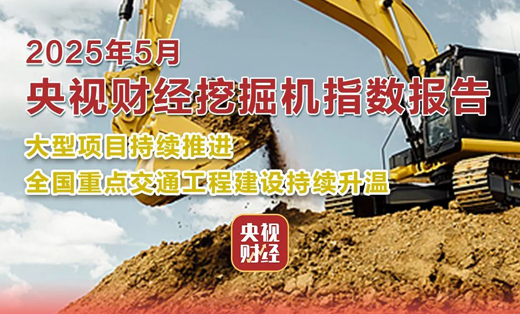
CCTV Finance × Sany Heavy Industry: Transportation construction continues to heat up! In May, the infrastructure was full of bright spots →
2025.06.17
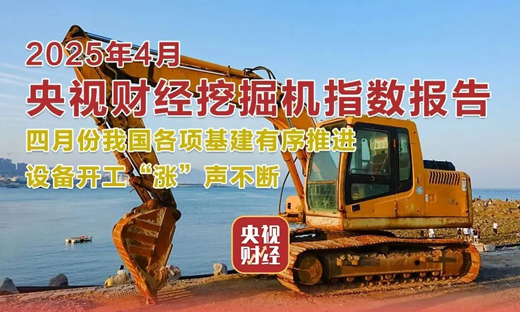
CCTV Finance × Sany Heavy Industry: Infrastructure results are released! Anhui is soaring, and the equipment of the western port has become a "dark horse"
2025.05.19
China's installed wind and solar capacity has historically surpassed that of thermal power
2025.04.28




0 comments