

CCTV News: The Story of the Republic丨A People's Road Shines on the Footsteps of Not Forgetting the Original Intention
2024.09.25
Cctv
Is there a "people's road" in your hometown?
In China, there is a road name that everyone is familiar with, called "Renmin Road"; Among the countless "people's roads" in the country, the longest one is in Changsha, Hunan.
What stories have happened along this road over the past 75 years?
A bustling starting point all the way
This is the place where the martyrs died
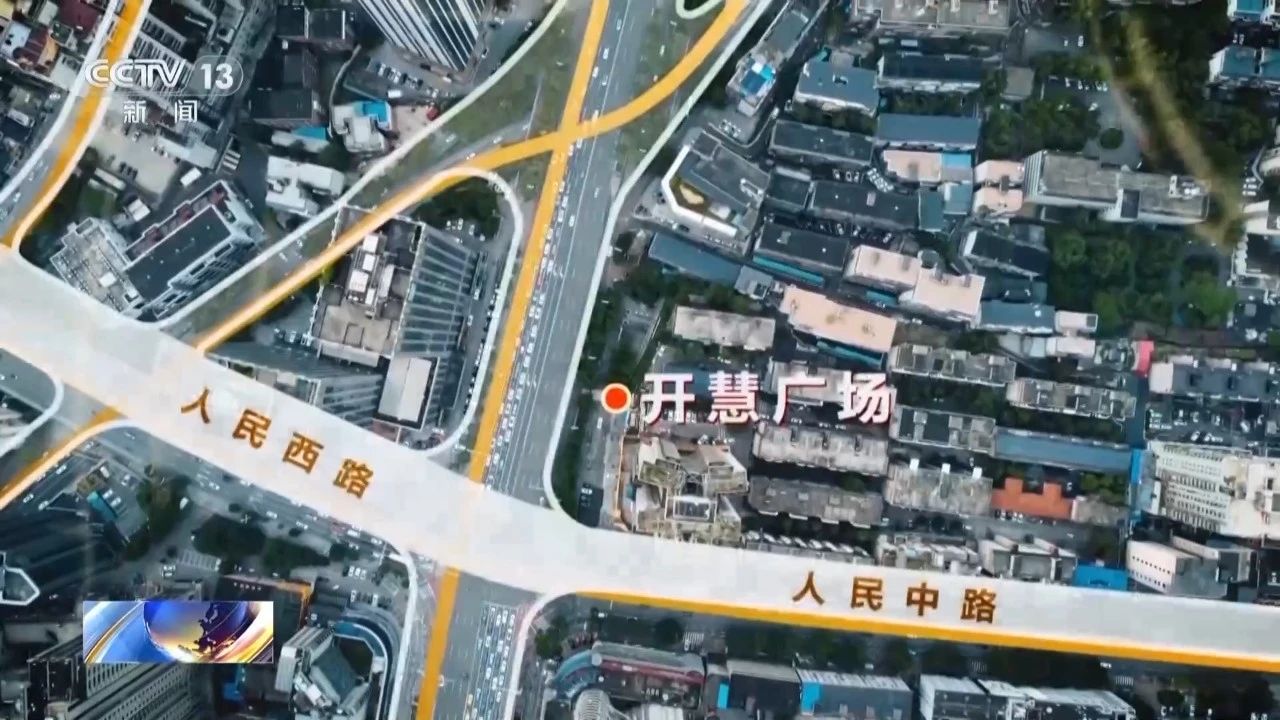
Today's Changsha Renmin Road is a fashionable and lively city road, however, when you search for its origin, you will find that it is actually related to the martyr Yang Kaihui. Kaihui Square, which commemorates Yang Kaihui and other martyrs, is now on the bank of Renmin Road.
On the stage of the Hunan Xiang Theater, Cao Weizhi, a Hunan opera actor who played Yang Kaihui, told reporters that he was only 22 years old when he played Yang Kaihui for the first time. In order to be able to understand Yang Kaihui, Cao Weizhi went to Yang Kaihui's former residence, saw her diary manuscript, and walked into her heart.

As a mother of three children, Xiao Ai is of course reluctant; But as a staunch revolutionary, she had great love in her heart, and she felt that hard work would eventually liberate the whole of China.
At the beginning of the founding of the People's Republic of China, there were 21 million revolutionary martyrs, with an average age of 29.4 years.
Here is Grandpa Yuan's "Hexia Cool Dream"
Along Renmin Road to the east, the famous Longping Rice Museum is located on the side of Renmin East Road. In the bustling area of Renmin East Road, a small green rice field is still preserved, which is where Yuan Longping once worked.
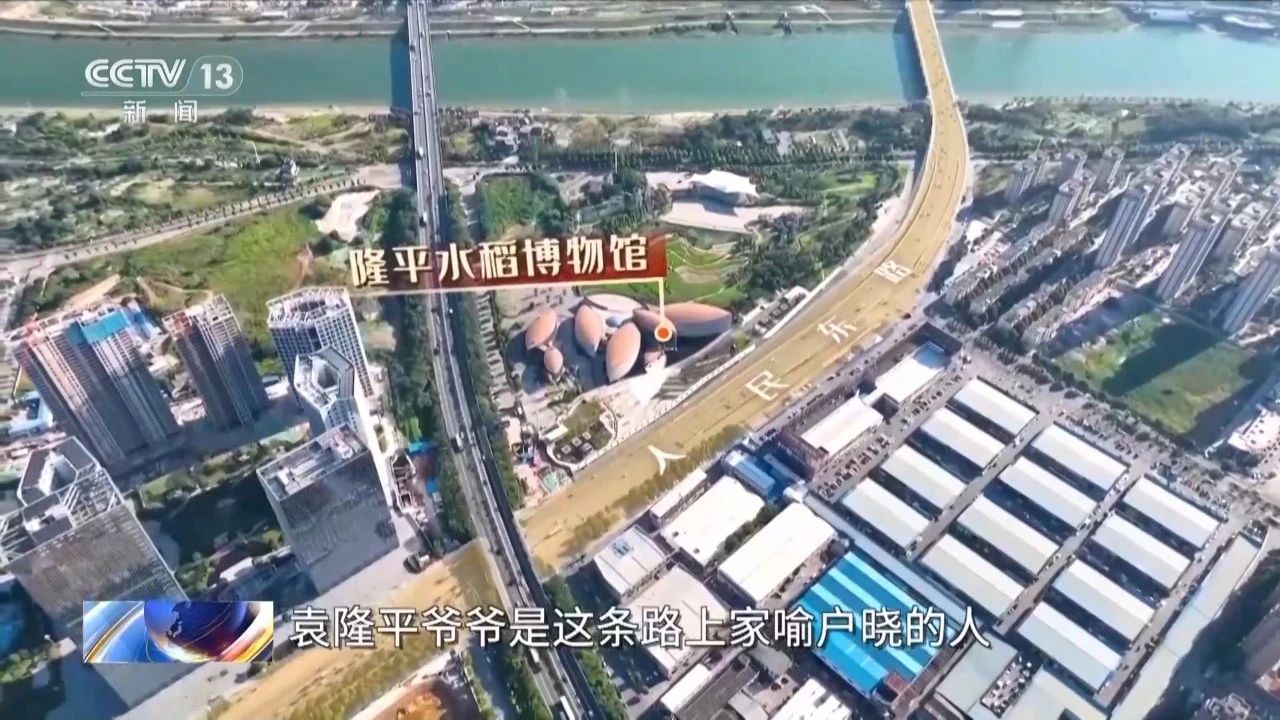
At the Longping Rice Museum, the number 140,000 is marked on the wall of the display board, and it was after carefully observing 140,000 rice ears that Yuan Longping found six male sterile plants.
Deng Huafeng, a disciple of Grandpa Yuan and director of the National Hybrid Rice Engineering Technology Research Center, told us that the academic authorities at the time had vetoed hybrid rice, and that Yuan Longping was only a teacher at a Hunan technical secondary school at that time.
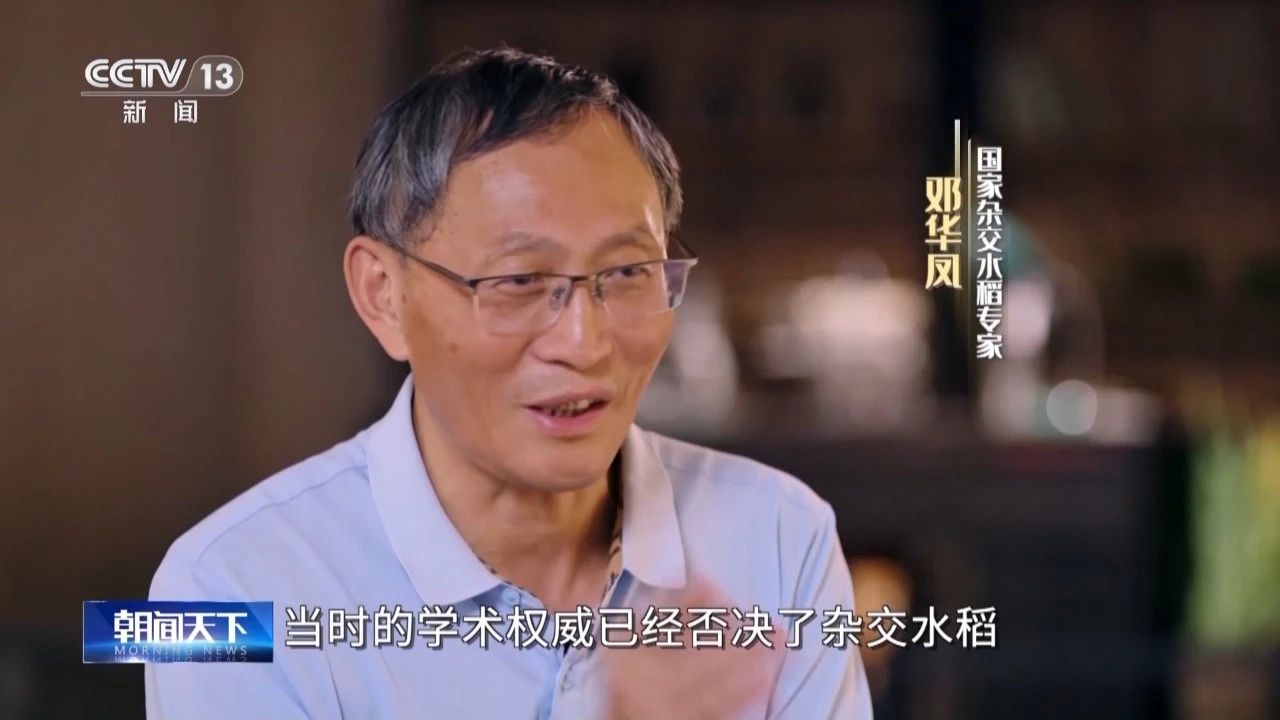
Mr. Yuan could say that he had nothing at that time, he had neither funds, nor a team, nor conditions, what did he have? The spirit of daring to be the first and daring to innovate. Mr. Yuan has done it and opened a broad road for us.
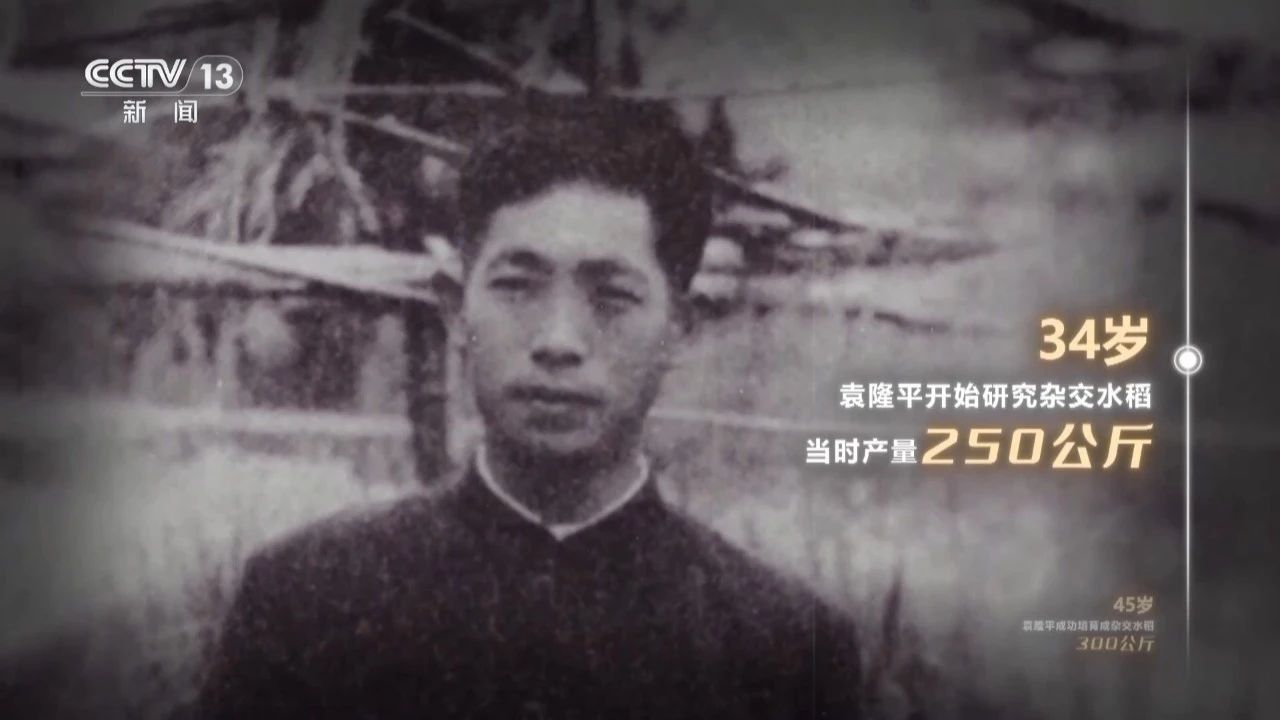
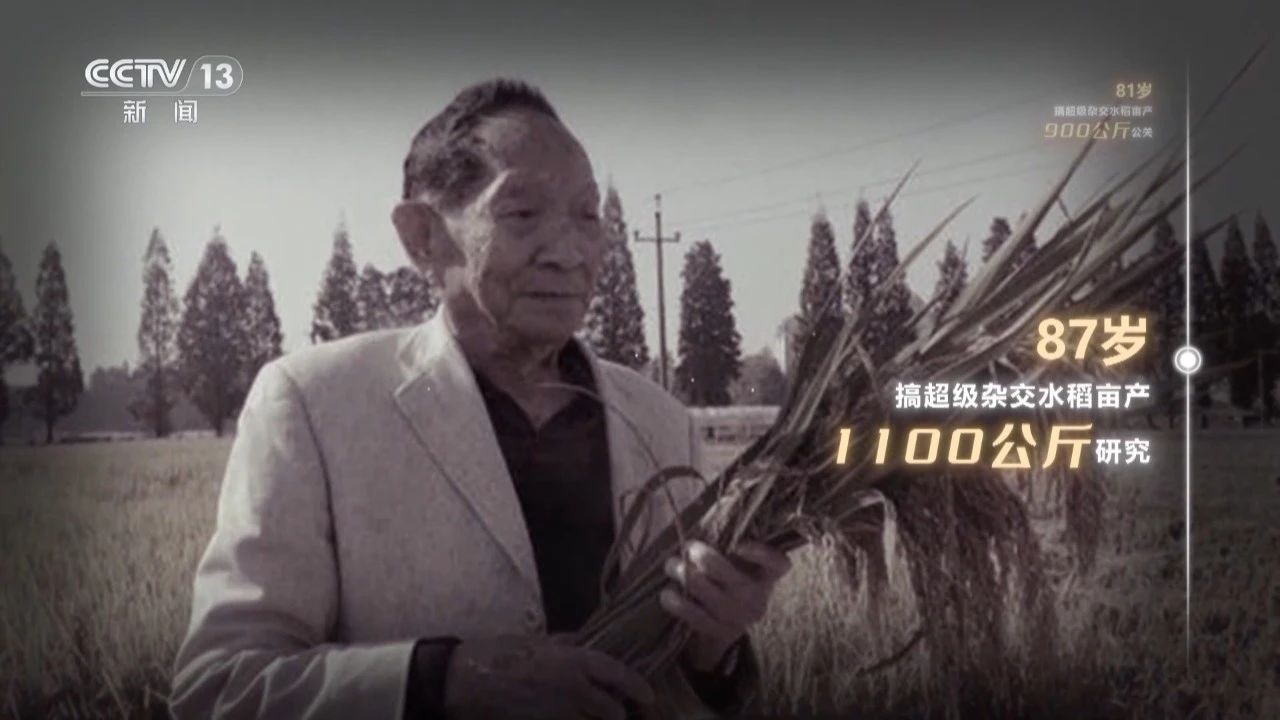
At the age of 34, Yuan Longping began to study hybrid rice, with a yield of 250 kilograms at that time;
At the age of 45, Yuan Longping successfully cultivated hybrid rice, 300 kg;
At the age of 70, the yield of super hybrid rice per mu was 700 kg;
74 years old, super hybrid rice yield of 800 kg per mu;
81 years old, super hybrid rice yield of 900 kg per mu;
At the age of 87, the yield of super hybrid rice per mu was 1100 kg.
"Innovation in China" as seen here

Further east along Renmin Road is the Renmin East Road Expressway, where China's Hunan Pilot Free Trade Zone is located, and where a number of high-tech enterprises have also landed, including Sany Heavy Industry. The exhibition hall here displays the world's first 5G driverless electric heavy truck.
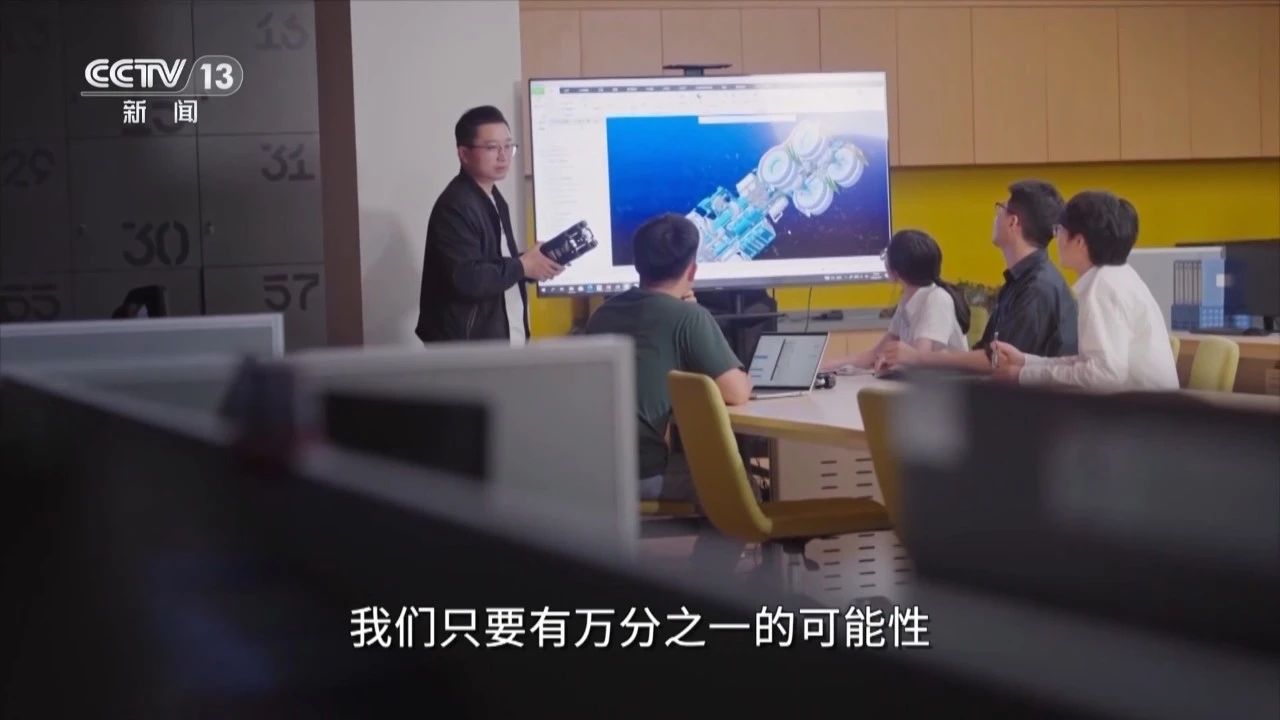
Zhou Hai, deputy director of Sany Intelligent Control Research Institute: We may need a R&D team of more than a dozen people to optimize the adjustment parameters of 0.001, spend two to three months, and organize thousands of experiments. Our ideals are big, and we can achieve them as long as we are down-to-earth every day.
China's ranking in the GII has risen from 43rd in 2012 to 12th in 2023.
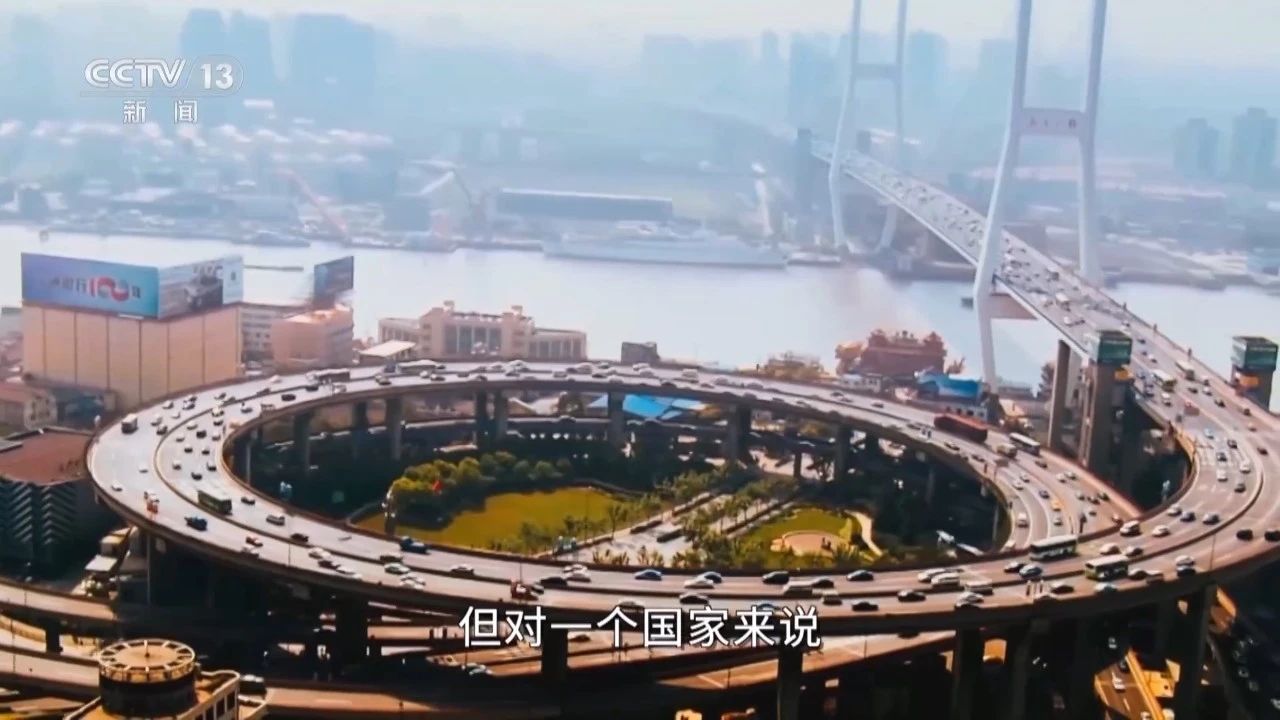
The road with the highest renaming rate in the country
The "number" changes on the people's road
Do you live on Renmin Road? If you were, there would probably be more than 20 million people across the country who would have the same answer as you.
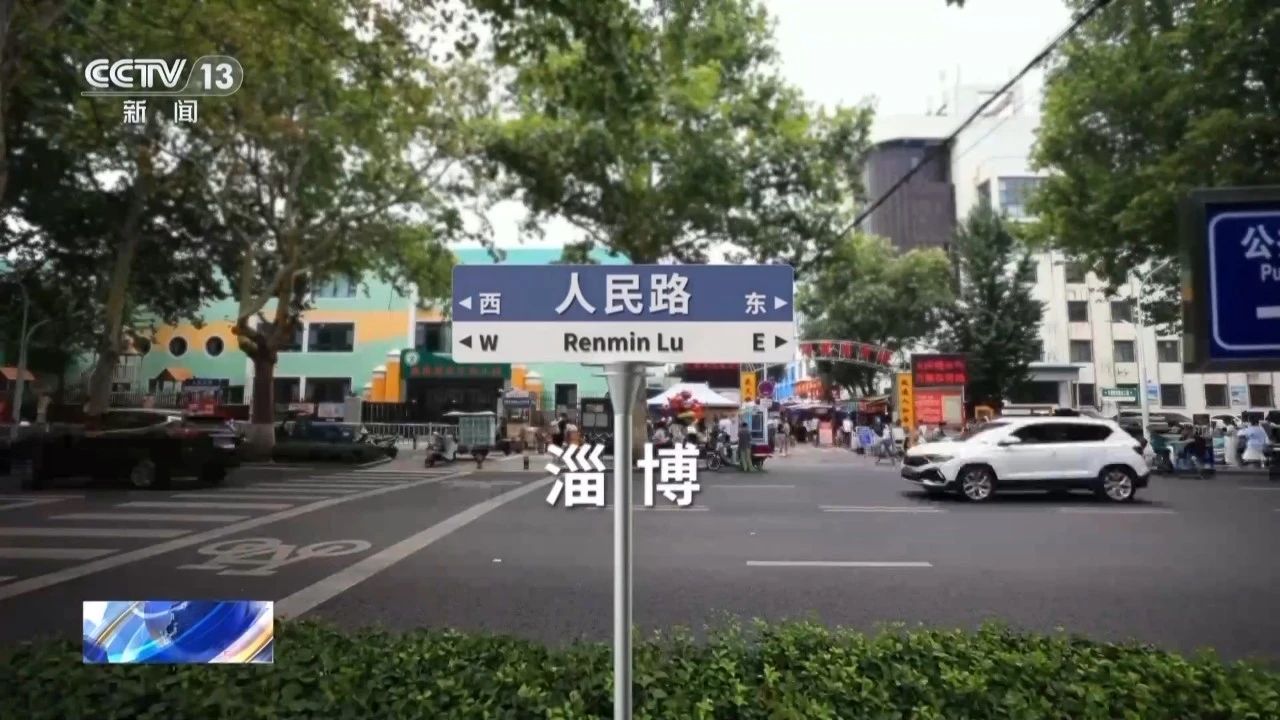
We looked for Renmin Road on the map and found that it can be found in 31 provincial-level administrative regions and 299 prefecture-level cities, which means that almost every city has a Renmin Road.
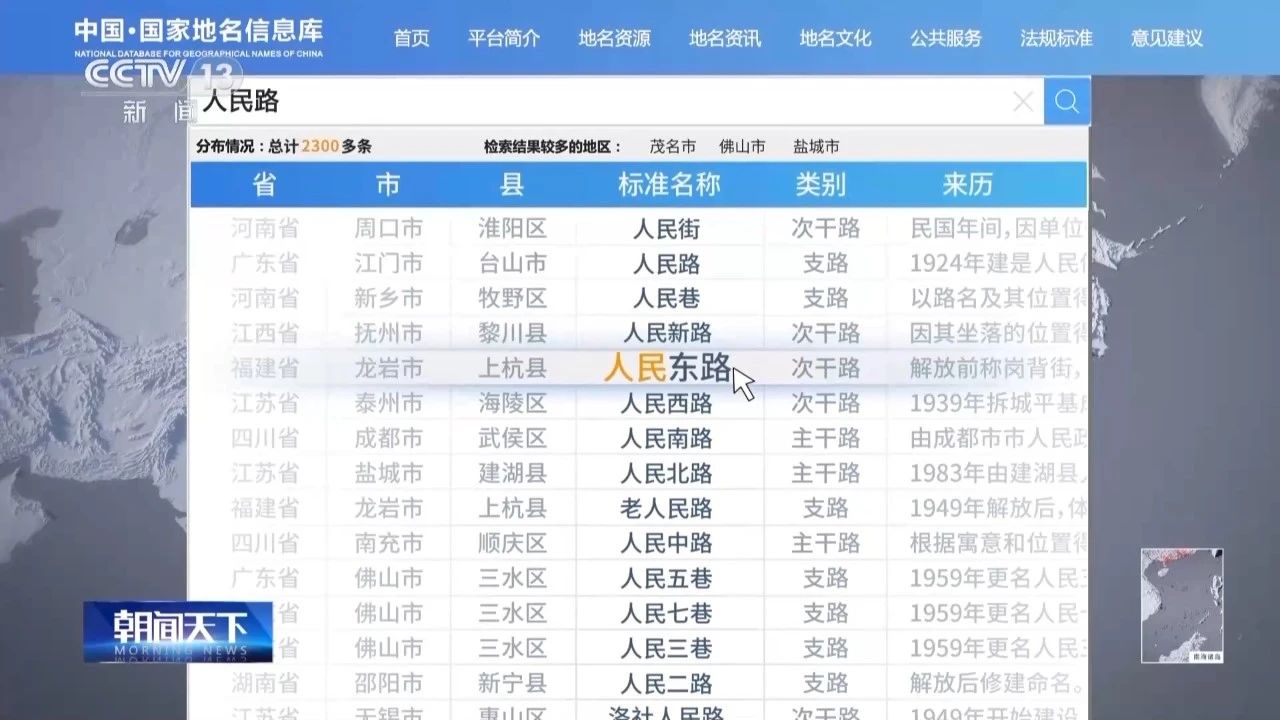
With the birth of New China, more than 30 roads were renamed Renmin Road. And this change of name is a vivid illustration of the people being the masters of the country and opening a new chapter.
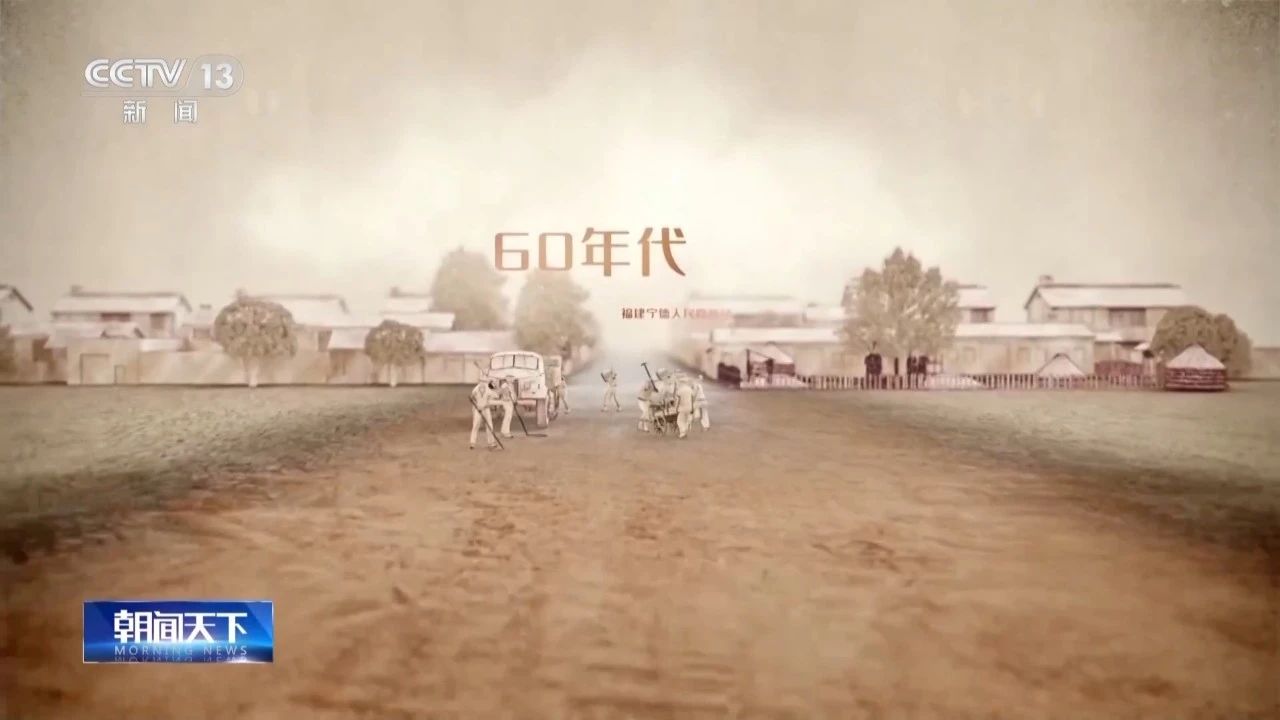
In the sixties and seventies of the 20th century, the road surface at this time was dominated by dirt roads and oil residue roads, and the people of the whole country enthusiastically devoted themselves to infrastructure construction. The people of Ningde, Fujian Province spontaneously participated in the construction of the road, and the people road in Shitai County, Anhui Province was the result of the people's fund-raising and joint construction. The naming of Renmin Roads records the history of people working together to build a better life.
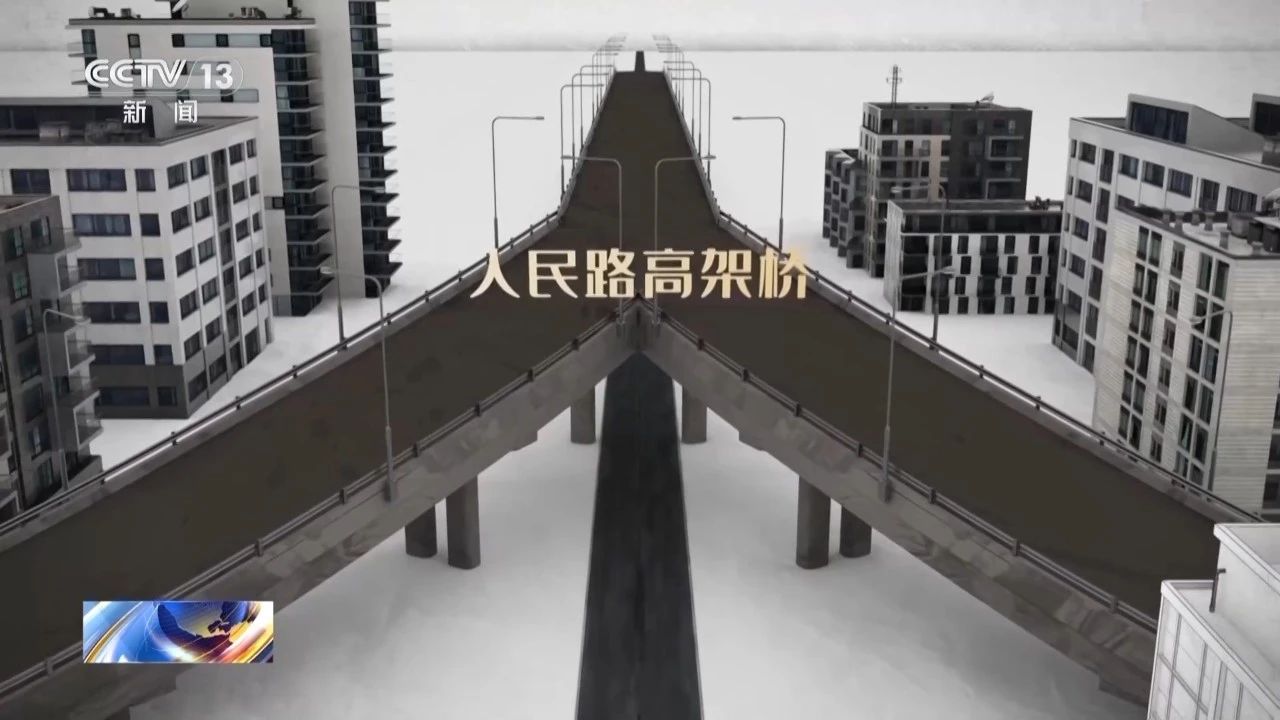
After the reform and opening up, in the eighties and nineties of the 20th century, with the significant leap in the country's construction capacity, nearly half of the people's roads were completed during this time, and the road surface was upgraded to asphalt roads. In Shihezi Fort Town, Xinjiang, the first road to light up the night and install night lights was named Renmin Road; In Guangzhou, the first viaduct that set a new benchmark for modern urban transportation is integrated with Renmin Road in the shape of the word "people". Such road names are proudly named for the pioneering achievements of the people of that era.
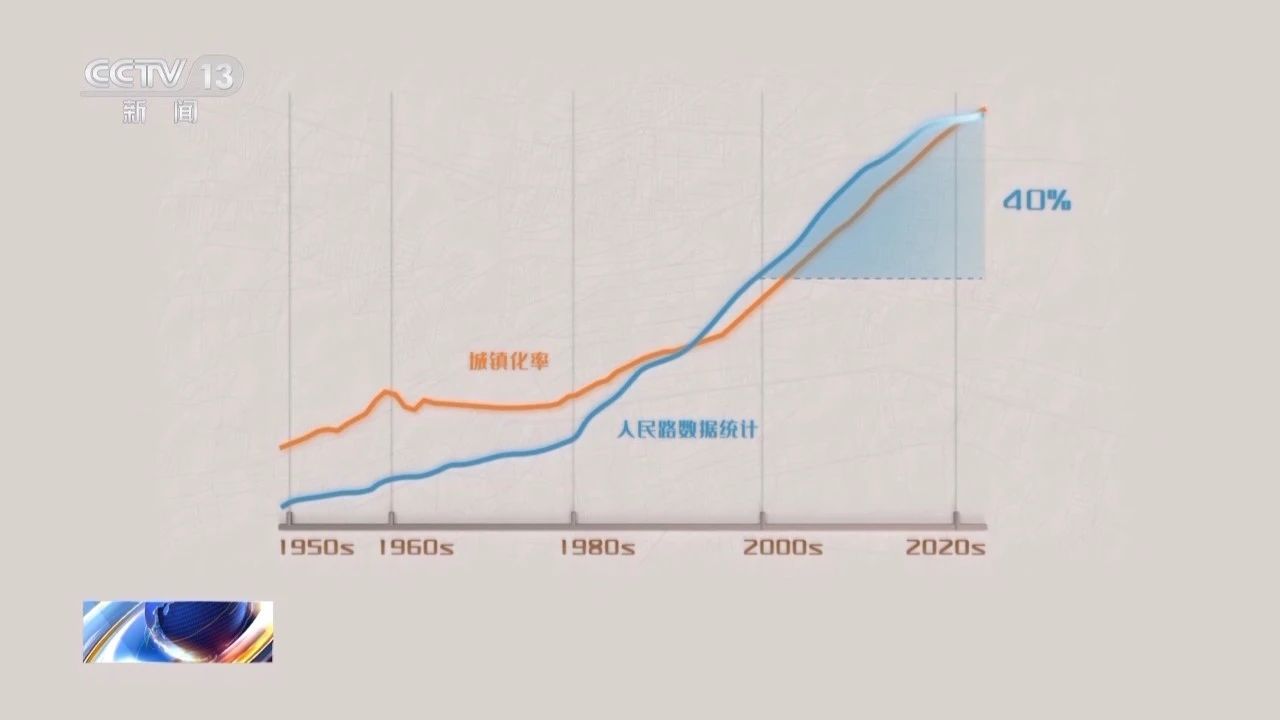
As the city continues to expand and roads continue to grow, more than 900 people's roads have been named after the new millennium, accounting for 40% of the total number. When we superimpose the curve of urbanization rate on the growth curve of Renmin Road, we can see that the number of Renmin Road increases rapidly with the increase of urbanization rate. Panzhihua in Sichuan, Bijie in Guizhou, Lingwu in Ningxia, and Ankang in Shaanxi, more new Renmin roads are distributed in the western region, reflecting the acceleration of the urbanization process in the western region.
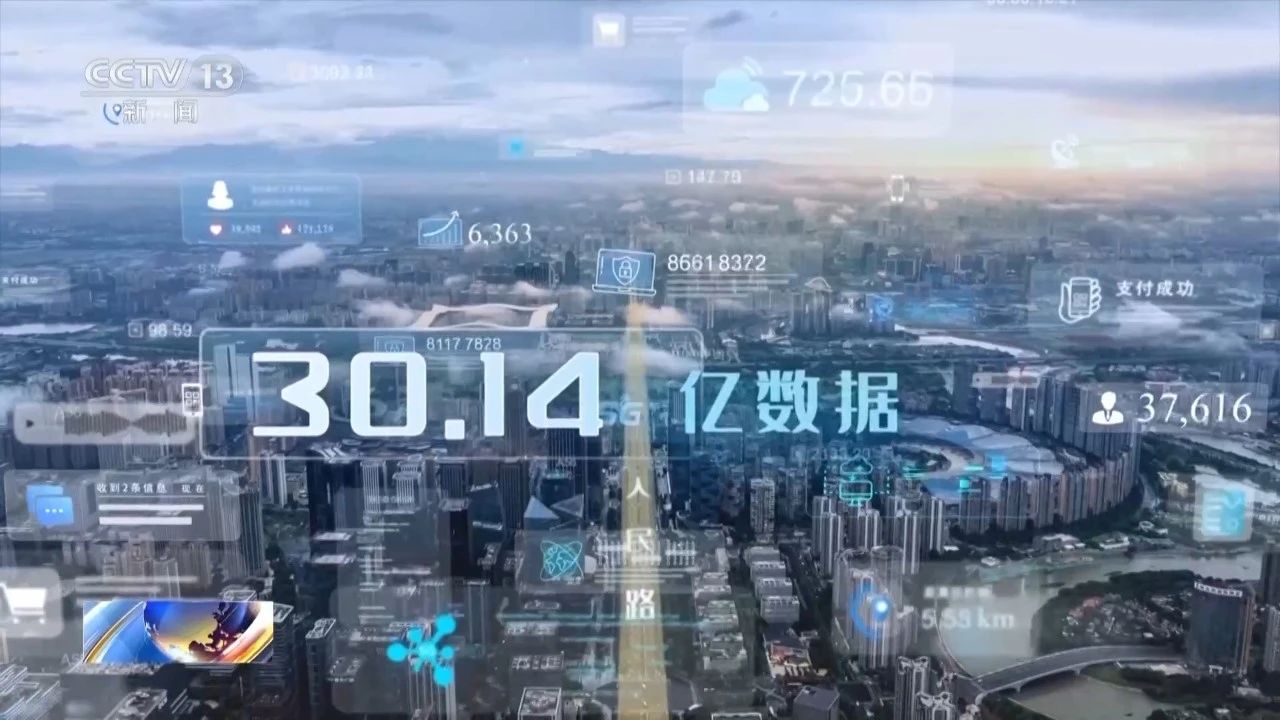
Today, in the new era, forty percent of the people's roads have grown into the city's main roads, when we can reflect people's activities of the mobile phone signaling, superimposed on the people's roads, 22.56 million people living on the people's road mobile phone signals generated 3.014 billion data, drawing a fiery pulsation map.
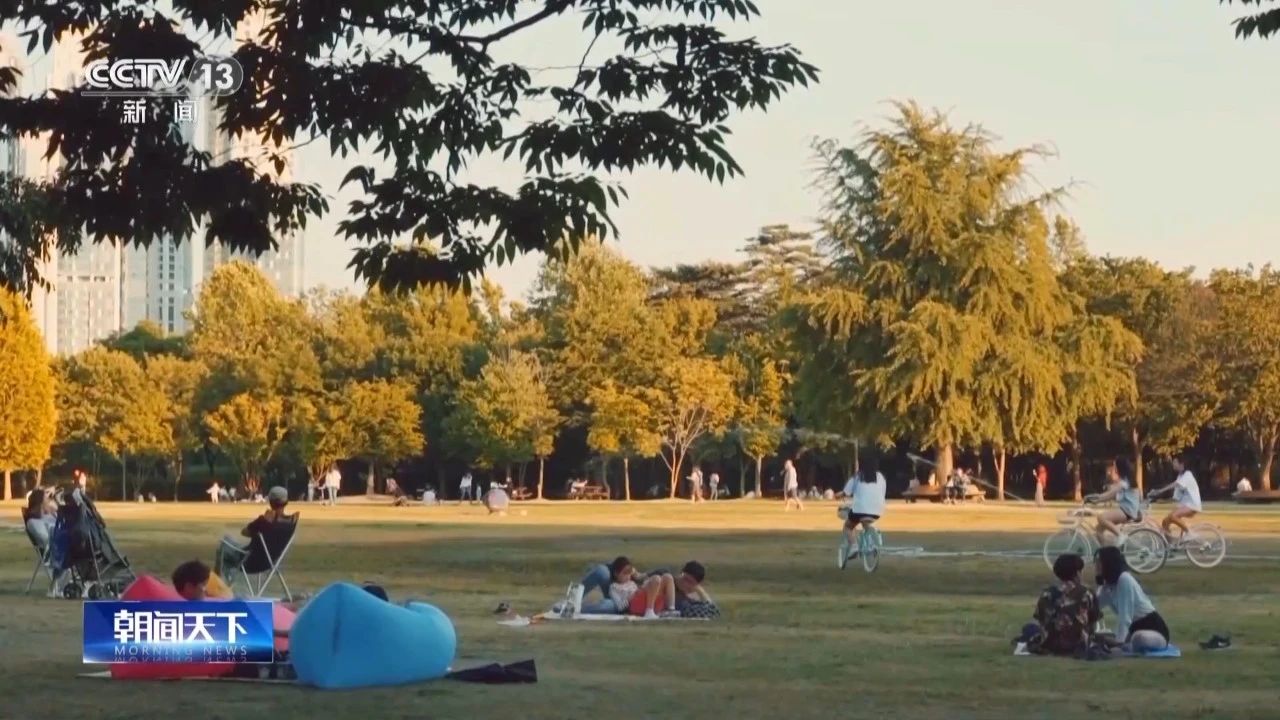
The 234 Renmin Roads have become the bustling core commercial area of the city, and the bustling commercial activities have lit up people's lives. 539 Renmin Roads connect street gardens and pocket parks, leading people into a more comfortable and pleasant living environment.
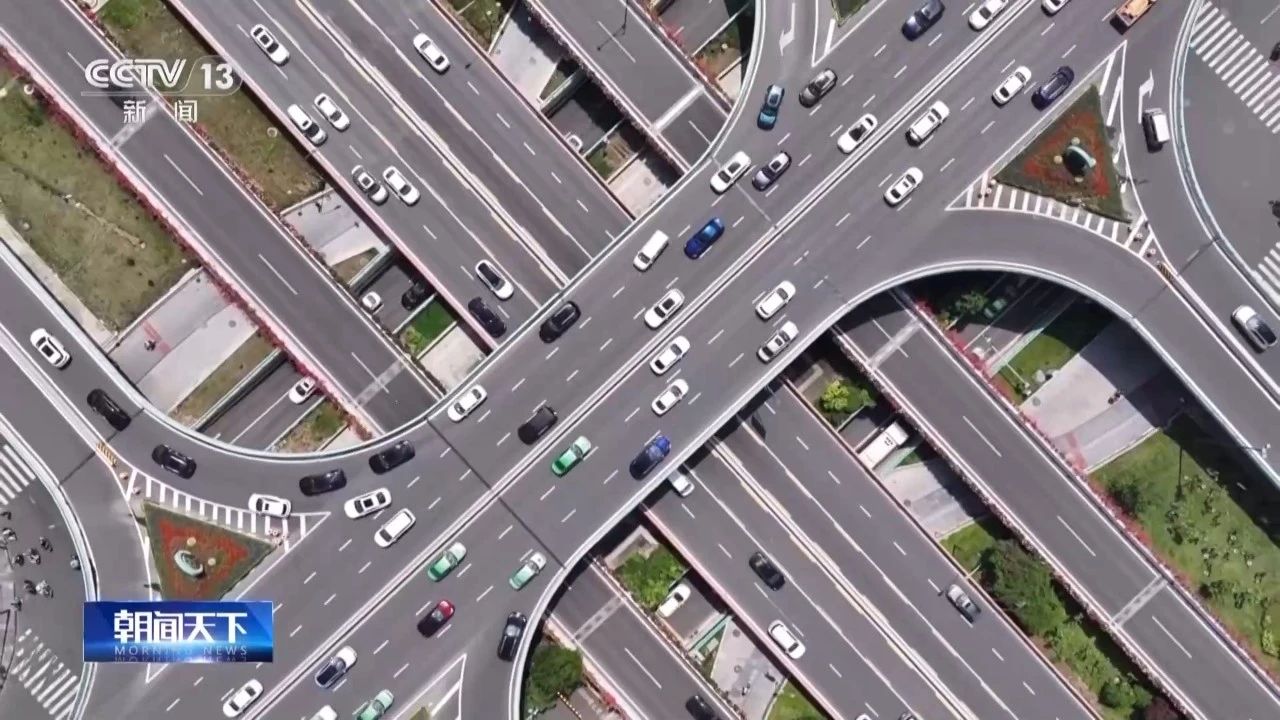
Nearly forty percent of Renmin Road has a regular flow of people, becoming an urban transportation hub and supporting the daily commuting vein.
Nearly 50% of Renmin Road is close to government agencies, cultural landmarks, hospitals, and squares, which is convenient for people's daily affairs and leisure life.
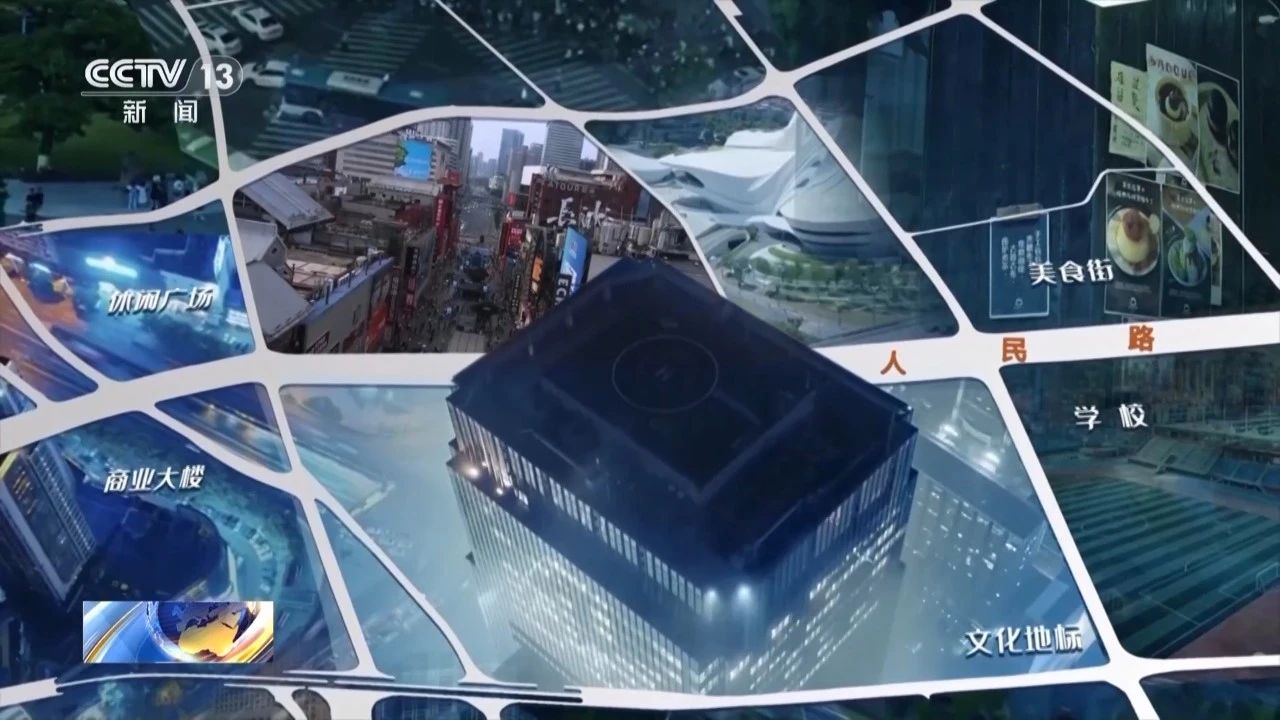
The concept of "people-centered" urban development is spread out along Renmin Road, carrying the common memory of Renmin Road and writing a new people's story.
Source: CCTV News
Next article:CCTV Finance × Sany Heavy Industry: Infrastructure construction continued to speed up in August!
Related testimonials
CCTV Finance × Sany Heavy Industry: Transportation construction continues to heat up! In May, the infrastructure was full of bright spots →
2025.06.17
CCTV Finance × Sany Heavy Industry: Infrastructure results are released! Anhui is soaring, and the equipment of the western port has become a "dark horse"
2025.05.19
Hunan Merchant Lecture Hall! To Wenbo!
2025.05.16




0 comments