

CCTV Focus: Sany has made a major breakthrough in the construction of smart ports
2024.10.30
Cctv
On October 28, CCTV's "Economic Half Hour" column was broadcast
composedSany Marineresponsible
Tianjin Port Tire Crane Automation Transformation Project
Get CCTV's attention
After applying Sany H-Move2.0 intelligent system
The automatic operation efficiency of the tire crane has been increased to 20Move/h
Beyond the human
The abnormal intervention rate is only 2.78%
The operating ratio can be increased to 1:6
It marks a major breakthrough in the construction of smart ports in China
Original report
Tianjin Port in Bohai Bay is actively carrying out qualitative transformation, and this year launched a large-scale equipment replacement action, taking energy conservation and carbon reduction, digitalization and intelligence as the main direction, and the traditional terminal where An Jinhui is located has also accelerated the pace of intelligent transformation.
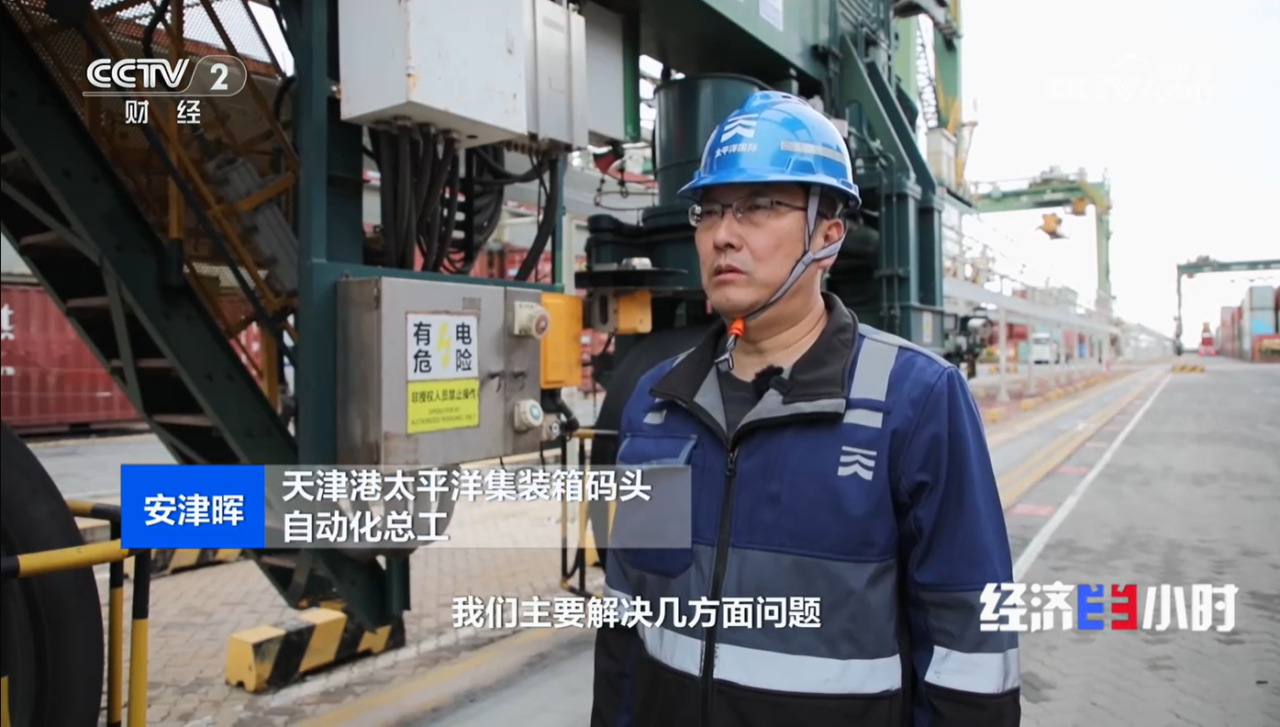
An Jinhui, Chief Engineer of Pacific Container Terminal Automation of Tianjin Port: We mainly solve several problems, one is to solve the difficulty of recruitment. Now it is well known that the recruitment of workers, especially field bridge drivers and quay crane drivers, requires blue-collar workers with a certain technical content.
Zhang Lianghao, squad leader of the bridge team of Tianjin Port Pacific Container Terminal: The four-rope (tire crane) anti-sway spreader must be more shaky and swinging than the eight-rope one, or based on the naked eye, which requires a long run-in.
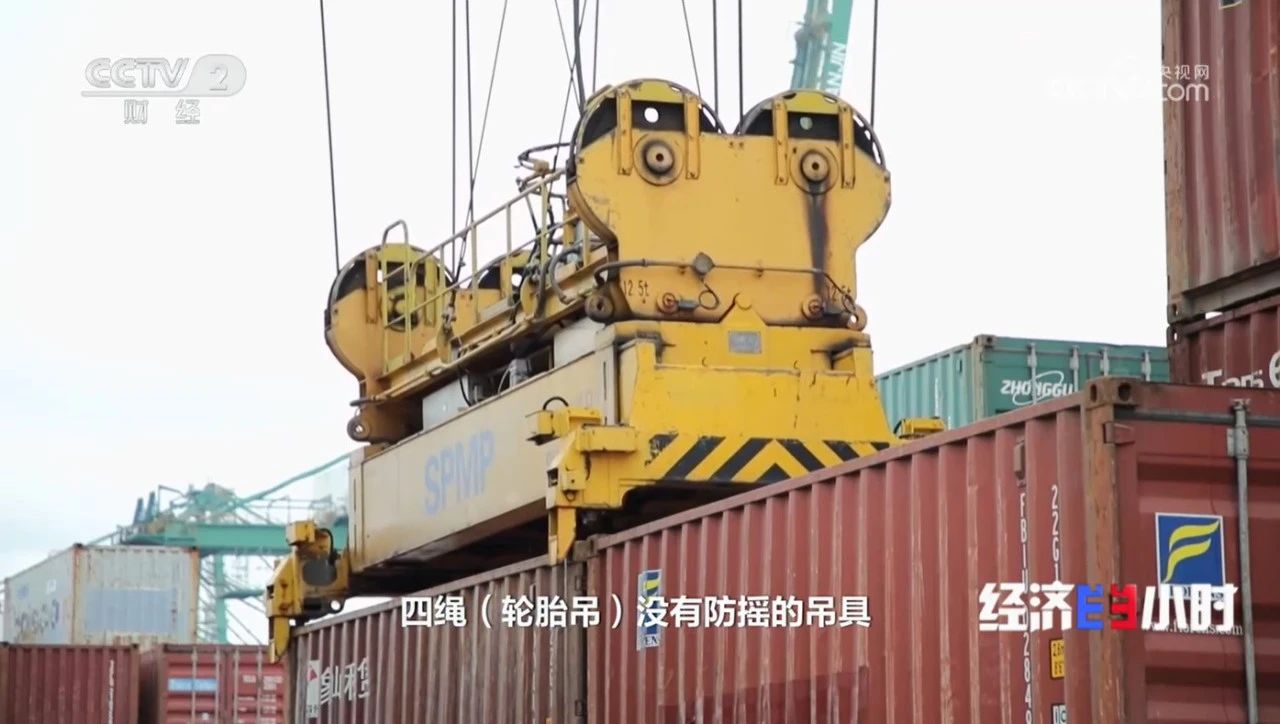
The largest type of yard bridge in China's port industry is this four-rope tire crane, which is difficult to operate, low system efficiency, and difficult to prevent sway and torsion. As the core equipment of the terminal loading and unloading operation, the automation and intelligent development of the yard and bridge plays a vital role in improving the overall efficiency of the terminal. Therefore, from the beginning of the first phase of transformation in 2020, this has become a difficult problem in front of An Jinhui's team.
In the end, a company from Zhuhai accepted this problem, and the intelligent four-liter tire crane automation solution they developed basically solved the first anti-sway and anti-torsion problem by following the speed, following the position, and real-time anti-sway and anti-torsion, but the efficiency of automated operations still could not catch up with manual work.
Wang Junxiong, Vice President of Smart Port Machinery Research Institute of Sany Marine Heavy Industry Co., Ltd.: What is it? It is to a certain extent that we can make it and use it, which can only be said to be this state. Compared with people, there is still an efficiency of about 80%.
An Jinhui, Chief Engineer of Automation of Tianjin Port Pacific Container Terminal: Terminal operation is based on efficiency, and the difference of 20% means that I have at least four boxes in 1 hour, and the efficiency of manual work cannot be achieved with automated operations.
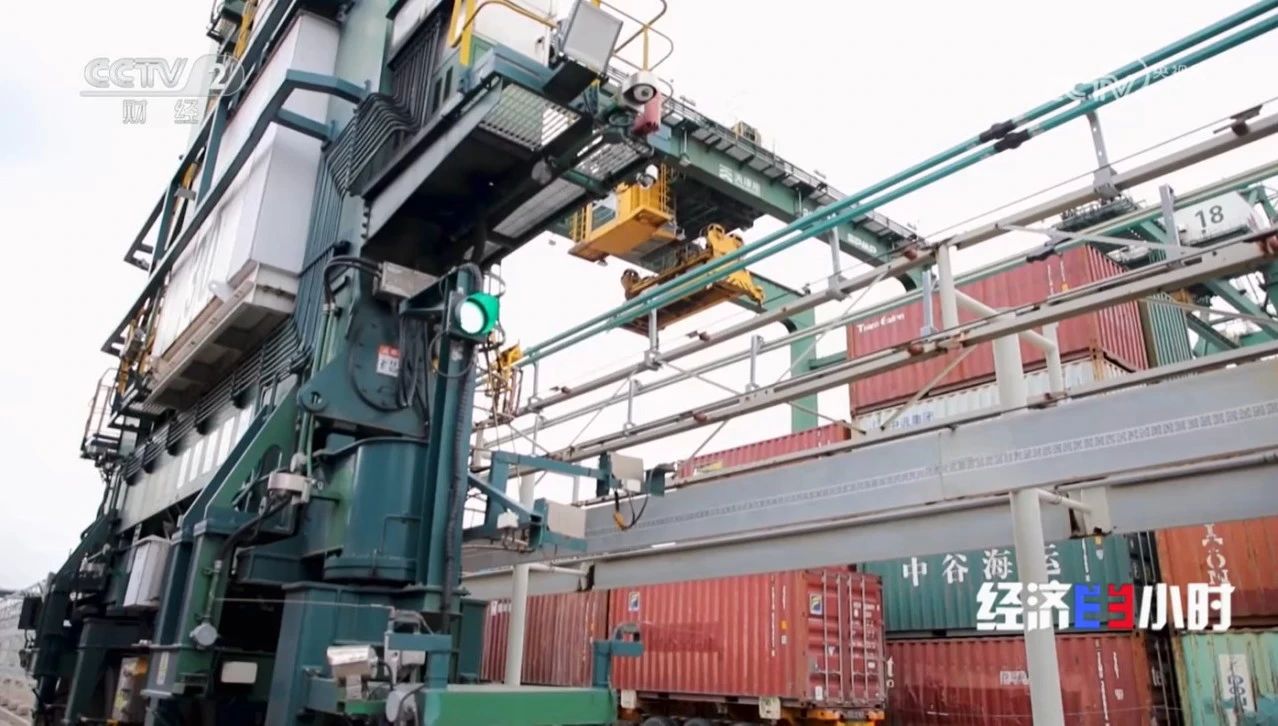
Among the 14 pieces of equipment in the first batch of transformation, the 45 field bridge has always been regarded as a "poor student", because its spreader has certain structural defects, and the operating efficiency has been counted down, and it is still at the bottom of the efficiency after the completion of the first phase of transformation. In the face of this hard bone, the two sides unanimously decided to take it as a breakthrough in the second phase of upgrading.
By introducing digital twin technology, they predicted and simulated the trajectory and position of the landing box, and added the technical essentials of manual operation to the action of putting down the spreader, which achieved remarkable results.
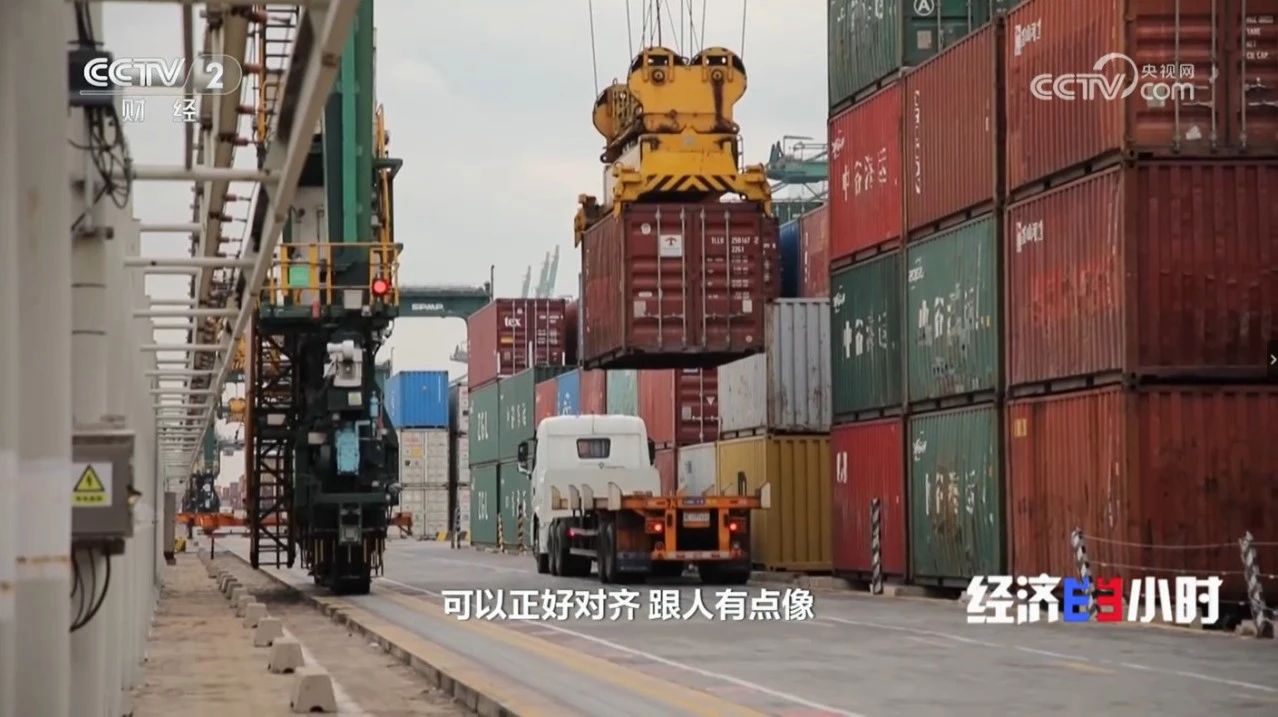
Wang Junxiong, Vice President of Smart Port Machinery Research Institute of Sany Marine Heavy Industry Co., Ltd.: We call AI landing, which is actually a prediction box, which can predict the trend very well, that is to say, I want to know what I am going to do at the next moment, where I will run, and what kind of speed I will land at the most suitable speed, which can be just aligned, a bit like a person.
The automation efficiency of a conventional tire crane is about 15 to 16 work cycles per hour. The new version, which integrates GPS, AI vision, 3D scanning and imaging, and other technologies, greatly improves the reliability of the signal.
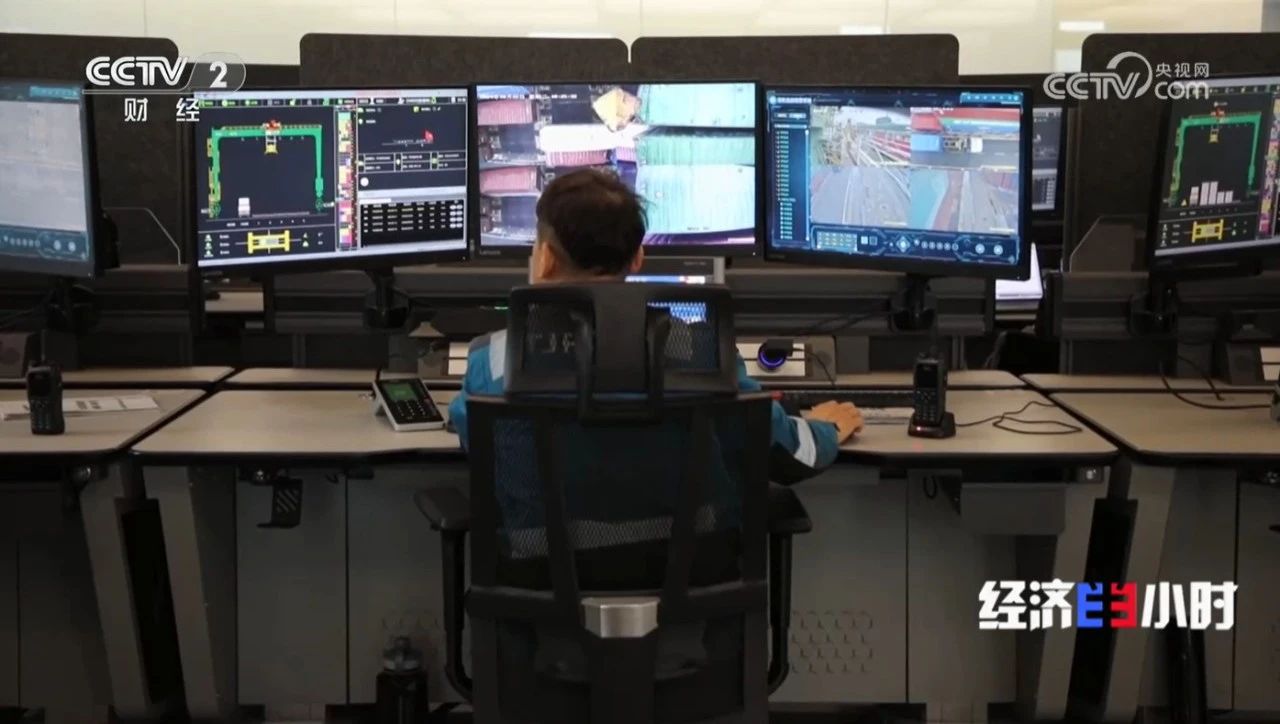
After four months of wharf time and ship testing, the automated operation efficiency of the No. 45 machine has been increased to 20 operation cycles, which is also the first time in the industry that the efficiency of automated tire cranes exceeds that of manual labor.
Wang Junxiong, Vice President of Smart Port Machinery Research Institute of Sany Marine Heavy Industry Co., Ltd.: That is to say, this bridge is now the best among all bridges, with the highest comprehensive efficiency and the lowest intervention rate. It went from being the last to the first, and now it's going to be the first.
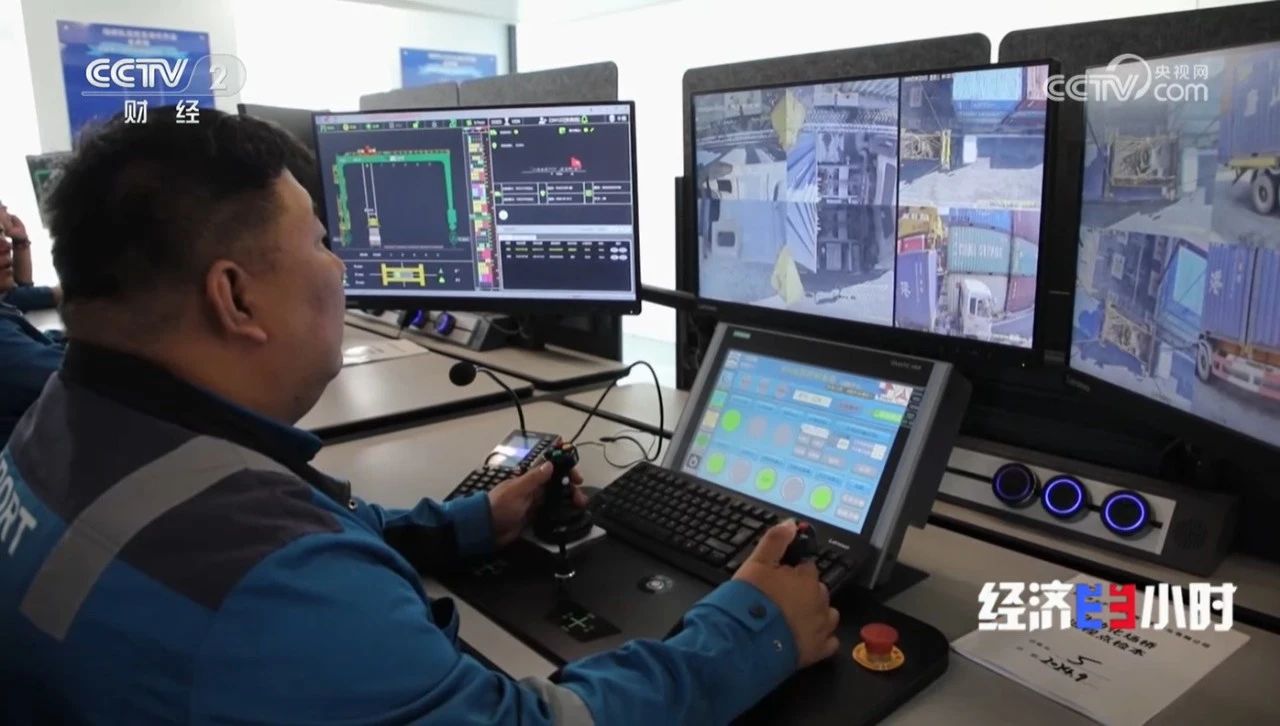
The low intervention rate means that one person can now manage up to six cranes at the same time, instead of one person operating one yard bridge. Zhang Lianghao, who has been on the bridge for more than ten years, has also become a member of the remote control room of the wharf, and he used to bend over and bend his back for more than ten hours of work, but now he can easily sit in front of the computer to complete it.
Zhang Lianghao, squad leader of the bridge team of Tianjin Port Pacific Container Terminal: Now the manual link is much less difficult than the original, because its picture, vision, viewing angle, operation and so on are simplified.
In May this year, 13 departments, including the Ministry of Transport, jointly issued an action plan for large-scale equipment renewal of transportation. Tianjin Port seized the opportunity period, in the open space not far from the No. 45 machine, the staff is carrying out a comprehensive renovation and renewal of the new batch of field bridges, all of which are expected to be completed by the end of the year。
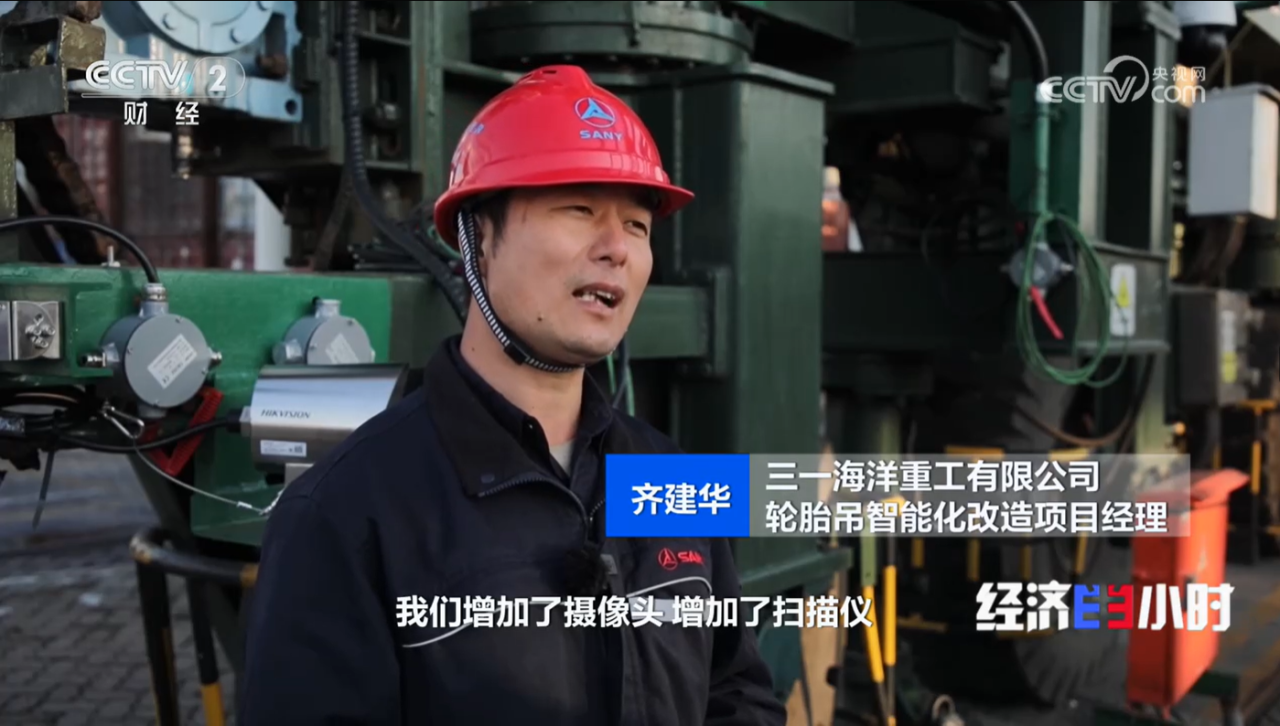
Qi Jianhua, Project Manager of Intelligent Transformation of Tire Crane of Sany Marine Heavy Industry Co., Ltd.: We have added cameras, increased scanners, and realized its automatic loading and unloading through remote automation through visual laser scanning technology and remote automation, just like human eyes.
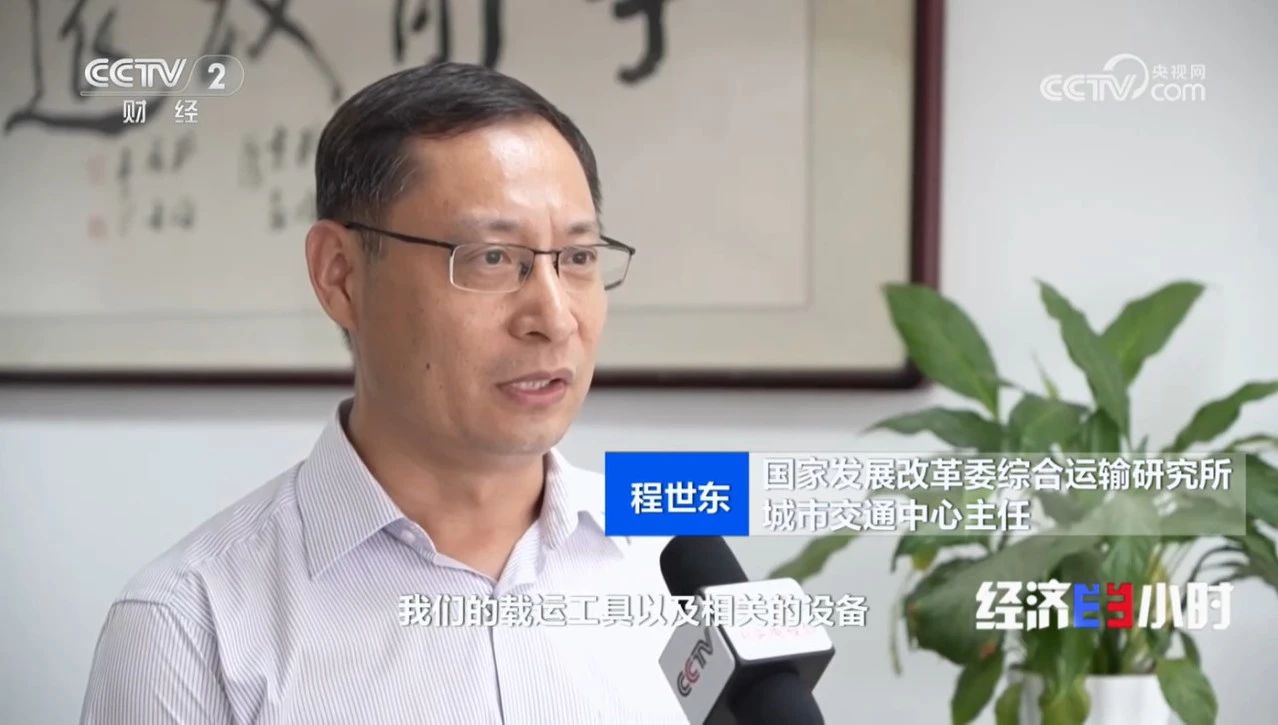
Cheng Shidong, Director of the Urban Transportation Center of the Comprehensive Transportation Research Institute of the National Development and Reform Commission: There is still some room for improvement in our vehicles and related equipment, and through the renewal of equipment and vehicles, we have made better use of the resources of the stock and improved our low-carbon and green level.
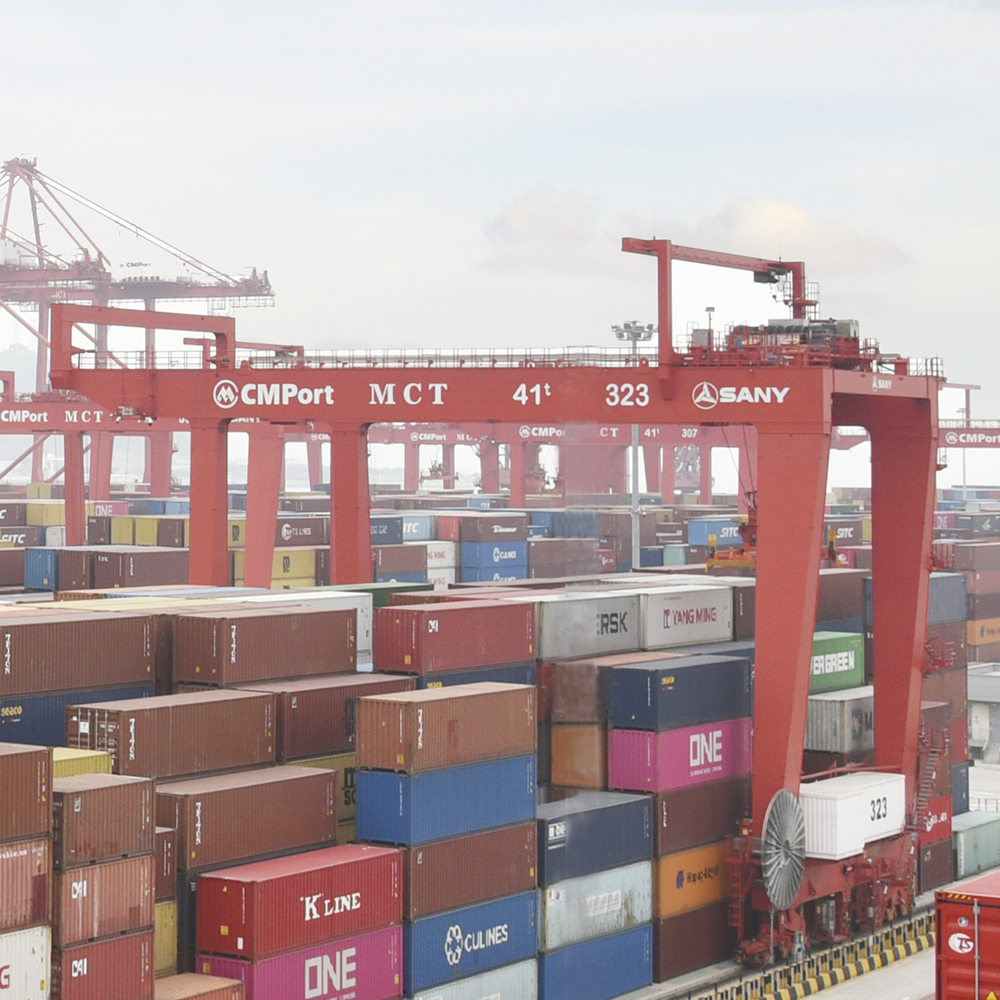
Rail-mounted container gantry crane automation
Rail-mounted container gantry craneRecommended products




0 comments