

Won orders of 390 million yuan! Sany Lithium Energy's new product was released
2023.12.09
Sany Group
On December 8, Sany Lithium Energy Co., Ltd.'s new product launch conference of "Changing to One Core, Winning Thousand Lithium" was held in Changsha City. More than 200 customers and more than 20 media from all over the country gathered in Xingcheng to witness the launch of Sany Lithium's new products. At the launch of the day, brand newSwap stationsand battery products won orders of 390 million yuan.
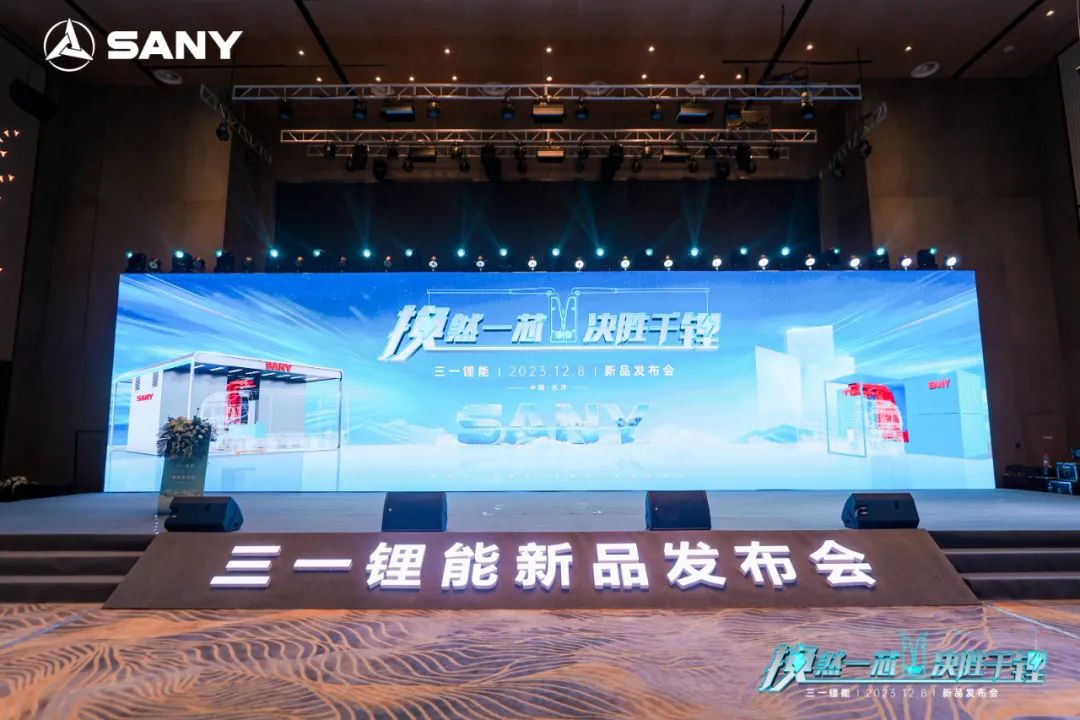
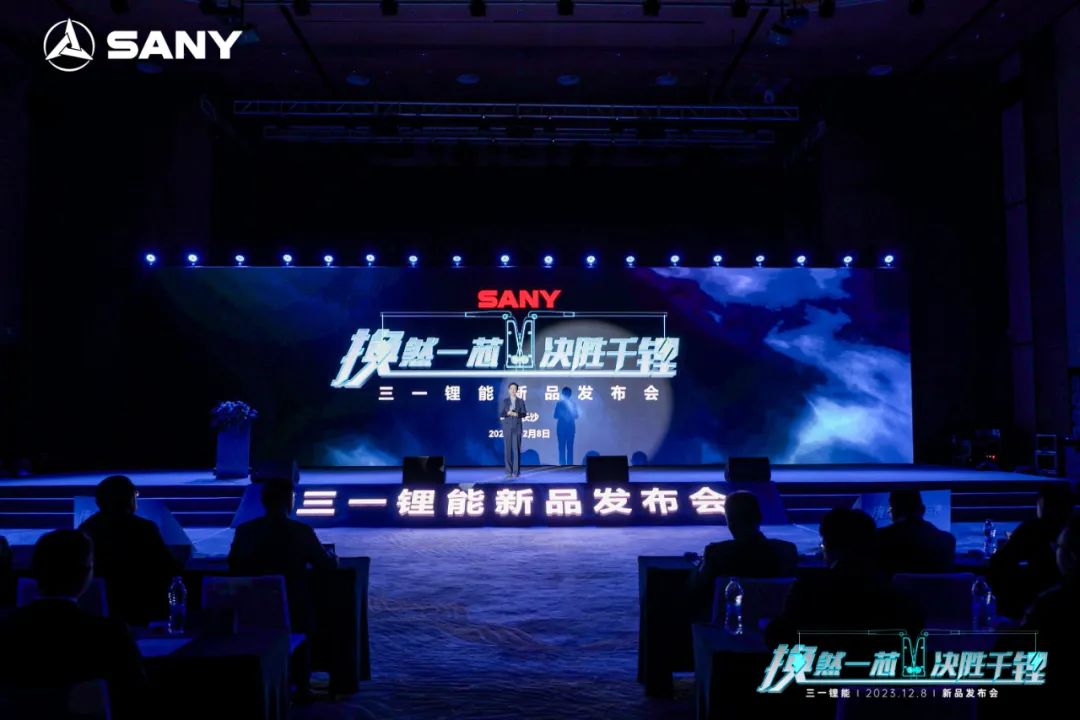
In response to the pain points and difficulties found in promoting the layout of zero-carbon cities, Sany Lithium Energy released a total of three products at this press conference, including Linglong battery swap station, Tianma 2.0 battery swap station, and Magic Tower 176 battery.
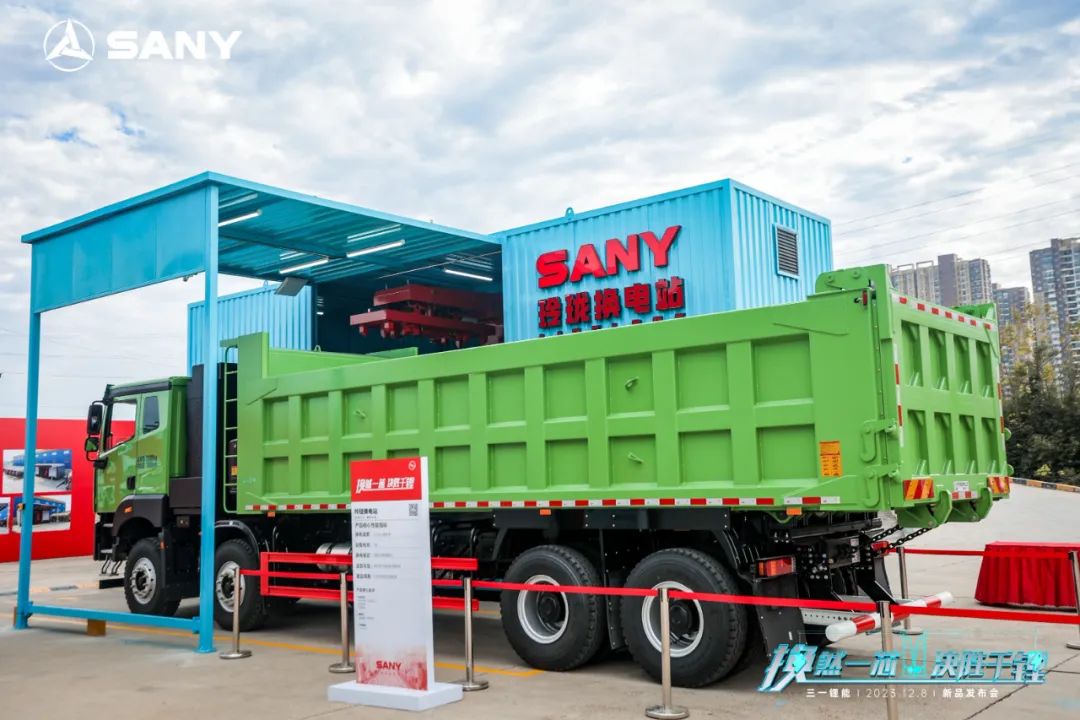
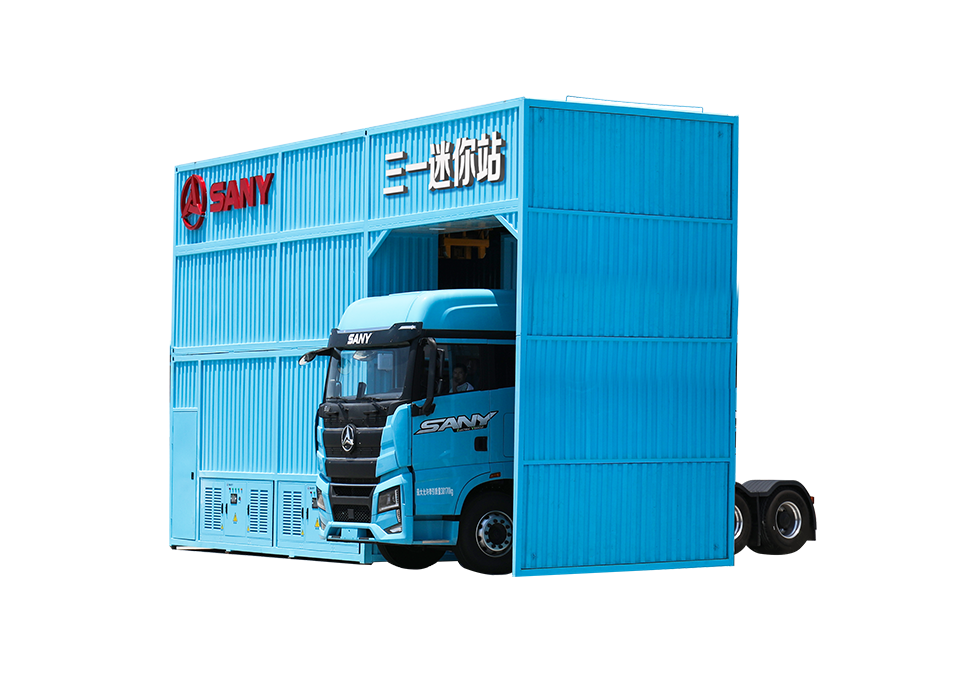
Small-scale fleets have few vehicles and short mileage, and the traditional investment in medium and large battery swap stations accounts for a high proportion. Sany Lithium Energy has launched the "exquisitely small, money-making magic weapon" Linglong battery swap station, which is suitable for the battery swap scenario of engineering vehicles with few battery swap vehicles, difficult power expansion, and unfixed lines. Linglong battery swap station has small power requirements, with a minimum of only 300KVA, which can make full use of idle power capacity and achieve zero power expansion. At the same time, it is flexible in transition, 1 semi-trailer can be pulled away, and the station can be built in 6 hours. The single battery swap time of Linglong battery swap station is no more than 4 minutes, and in 5000 reliability tests, the success rate of Linglong battery swap station is higher than 99.9%.
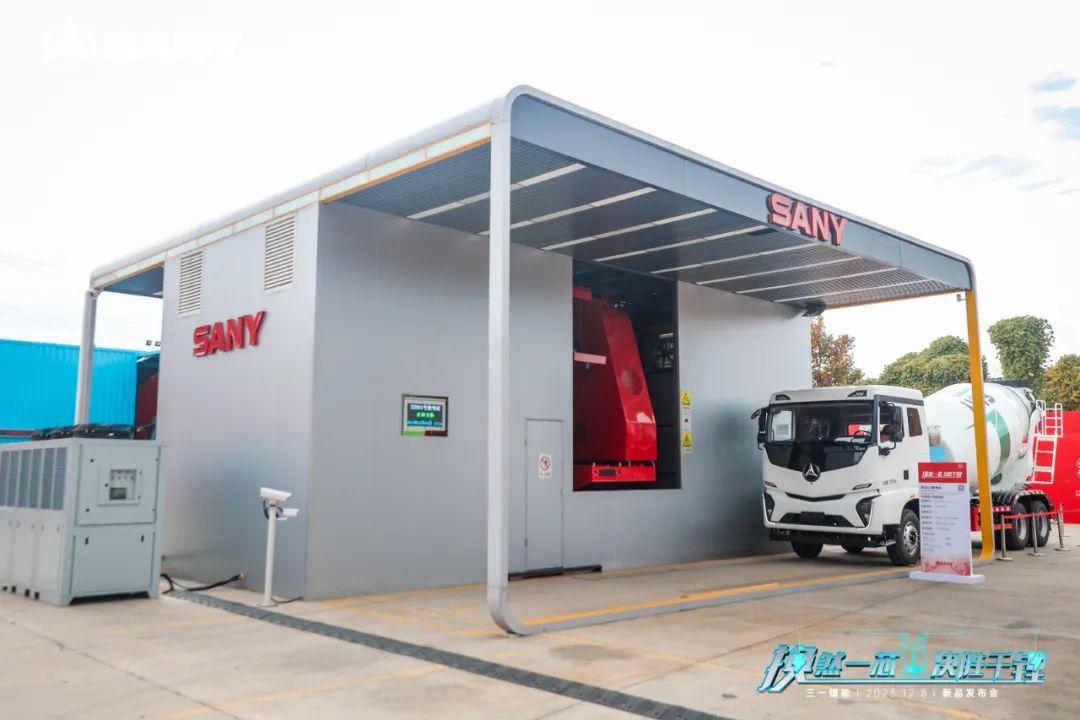
Large-scale fleet vehicles are large and have long mileage, and the maximum average daily battery swap times of traditional battery swap stations are only 168-240 times, and vehicles are queuing up for battery swaps. Sany Lithium Energy has launched the "dual-channel, more efficient" Tianma 2.0 battery swap station. The unique dual-channel of Tianma 2.0 battery swap station has redundant and error-proofing function, and when one channel fails, the other channel can support battery swapping. At the same time, the Tianma 2.0 battery swap station can make full use of the time period of the valley electricity price to minimize the cost of electricity, and significantly improve the battery turnover rate by replacing the batteries of the vehicles that are out of service.
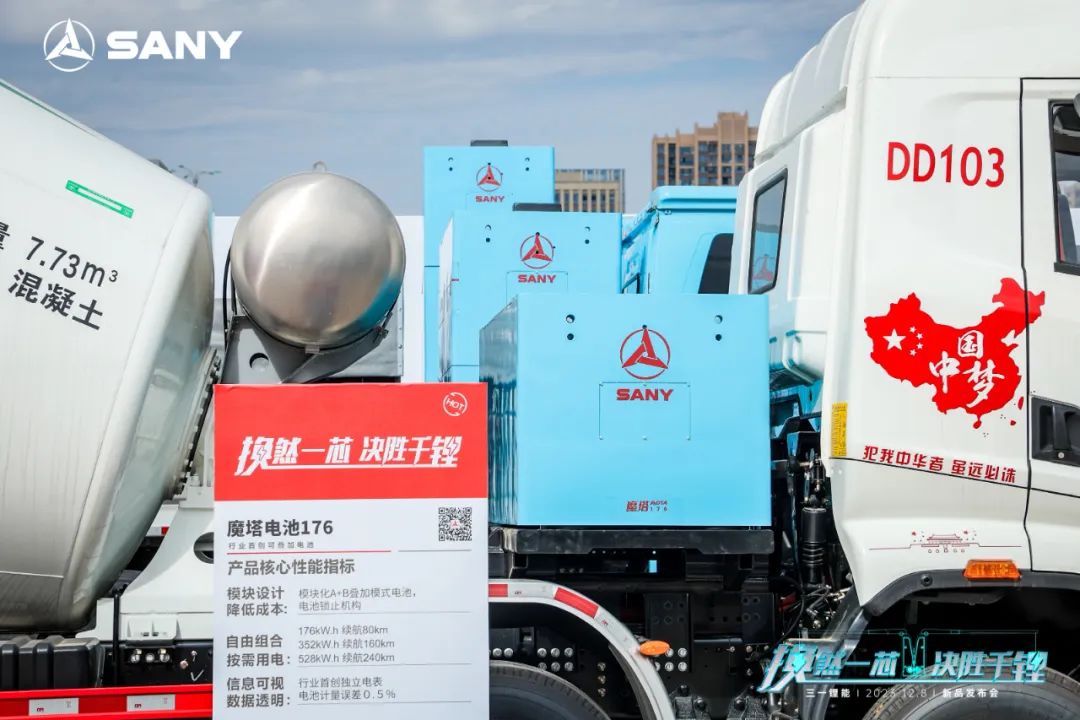
In view of the changeable application scenarios of engineering vehicles and the diverse power demand, Sany Lithium Energy has developed the industry's first superimposable Magic Tower 176 battery. Based on the battery system unit of 176kW.h, users can freely stack up to 352/528kW.h of power according to their range needs, so as to obtain the lowest investment power consumption option, and at the same time effectively resolve the range anxiety caused by occasional long-distance transportation.
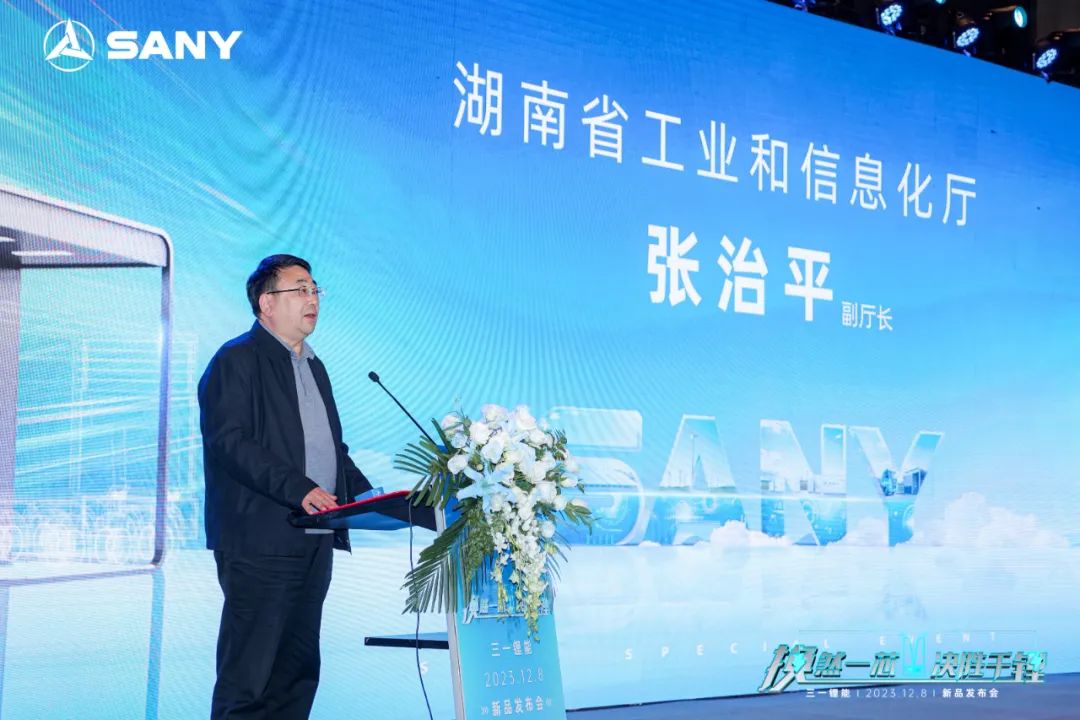
At the press conference, Zhang Zhiping, deputy director of the Hunan Provincial Department of Industry and Information Technology, delivered an important speech, saying that Sany Lithium Energy, as the backbone of Sany Group's new energy field, plays an important role in promoting the electrification of construction machinery.
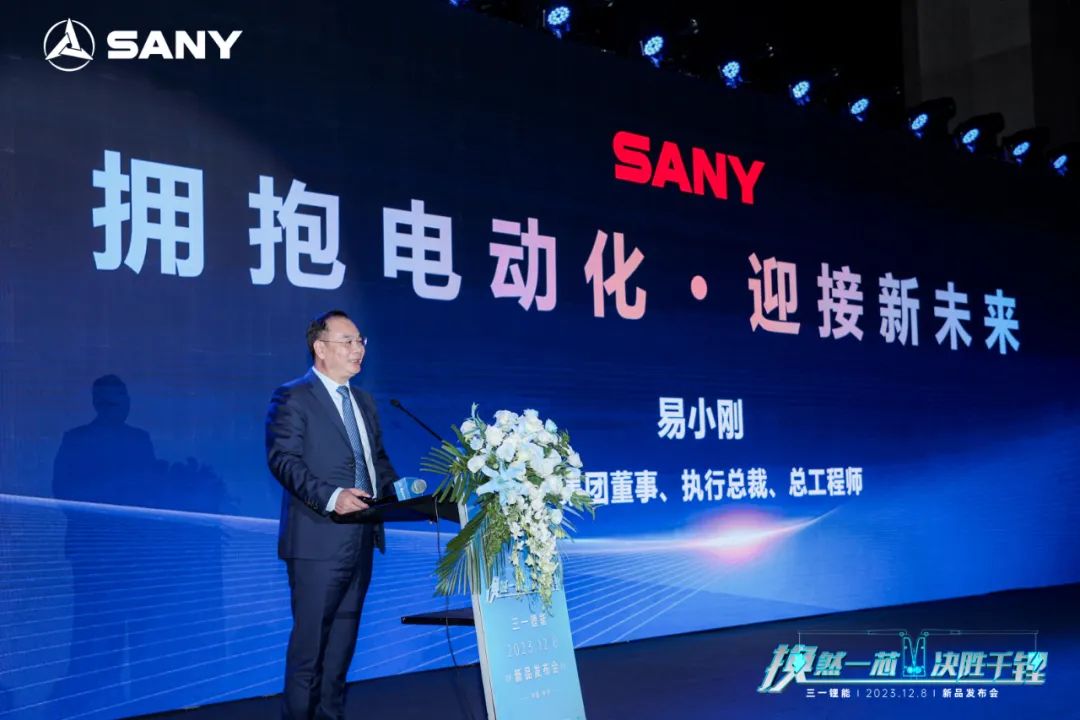
Mr. Yi Xiaogang, Director, Executive President and Chief Engineer of Sany Group, proposed at the press conference: "How many battery swap stations to build is not our goal, our goal is to make battery swapping handy in all scenarios and accelerate the process of electrification of construction vehicles and construction machinery." ”
In 2021, Sany Group elevated electrification to the company's strategic level and accelerated the pace of electrification. In August 2022, Sany Lithium Energy Co., Ltd. was formally established, committed to becoming the world's leading provider of charging and swapping solutions and promoting the transformation of the world's energy structure.
In the past year, Sany Lithium Energy Battery Swap Station has deployed 51 battery swap stations in 36 domestic cities and 3 overseas regions, with a total of 311,800 battery swaps, a total of 53.87 million kWh, more than 2,000 service vehicles, a cumulative carbon emission reduction of 48,200 tons, and a cumulative fuel saving of 10,900 tons.
Recommended products
Related testimonials
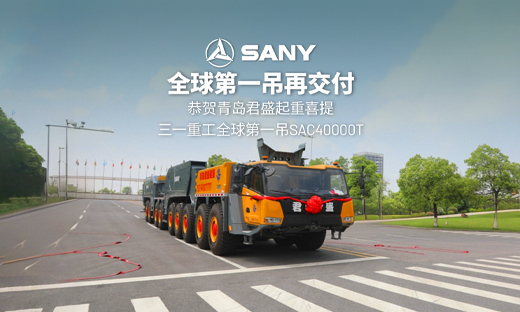
Congratulations to Qingdao Junsheng Lifting and Lifting Sany Heavy Industry's world's first crane SAC40000T
2025.04.25
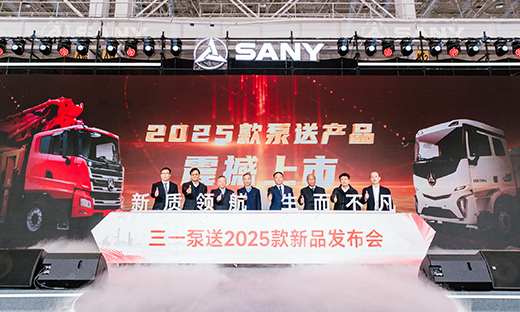
Signed a contract of 420 million yuan! Sany Pump Division released 2025 new pumping products
2025.02.26
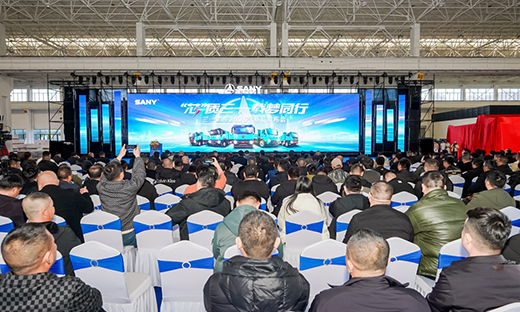
The 2025 new product launch conference of Sany Truck was successfully held!
2025.01.07




0 comments