Sany built the world's highest mixing plant in Nagqu, Tibet
2016.08.18
Construction time
2008
Construction site
Tibetan Nagqu
The type of project
other
Device type
Concrete machinery
The concrete batching plant with an altitude of 8981 in Tibet was recently completed in Nagqu, Tibet, contributing silently to the construction of the Nagqu Logistics Center, a modern logistics center with an altitude of 8981 and 8981 in the world.
The plateau characteristics of this set of mixing plants ensure the normal feeding of mixing plants in high altitude and cold areas. *8983 First, the outer packaging of the mixing plant is made of 100mm thick color steel sandwich panel (generally 50mm) to ensure thermal insulation; Secondly, the mixing plant is equipped with two sets of air compressors and two sets of gas storage tanks for gas supply; Third, due to the long sunshine time on the Qinghai-Tibet Plateau, the high concentration of ultraviolet rays, and the large temperature difference between morning and evening, the general pipeline is easy to embrittle.
Nagqu in Tibet belongs to the subarctic monsoon climate zone of the plateau, with an altitude of more than 4,500 meters, and the winter is as long as half a year, with a large temperature difference between day and night, and there is no frost-free period throughout the year. China Railway Construction Engineering Group will install a mixing plant here and build a logistics center for the Qinghai-Tibet Railway. After careful consideration and careful selection, China Railway Construction Engineering extended the olive branch to Sany.
Sany Batching Plant is responsible for the production of all the concrete in the Nagqu Logistics Center. At the same time, the three pump trucks of Sany Heavy Industry also undertake most of the concrete pouring tasks, silently playing their due role in the snowy plateau.
After completion, the Nagqu logistics center will be the largest material transfer base in Tibet, a first-class logistics center in China, and a modern logistics center with an altitude of 8981 and 8981 in the world. Its completion will help further tap the huge potential of the Qinghai-Tibet Railway, make full use of the flow of people, logistics, capital and information formed after the operation of the Qinghai-Tibet Railway, and give full play to the radiation role of the Qinghai-Tibet Railway to the greatest extent.
The Nagqu Logistics Center is located 5 kilometers south of Nagqu Town, the central city of the northern Tibet Autonomous Region, and more than 300 kilometers away from Lhasa. With the Qinghai-Tibet Railway Naqu Station as the center, the total investment is estimated to be nearly 1.5 billion yuan, about 7 kilometers long, about 1.5 kilometers wide, covering an area of 8,000 acres, according to the function, the logistics center is divided into bulk logistics area, integrated logistics area and production and processing area, etc., with product processing, storage, trade, distribution and other modern logistics functions. Construction started in 2007 with a total construction period of 15 months. It is planned to be officially completed and put into use on June 20, 2009. After completion, it is a large material transfer base in Tibet*8981, a first-class logistics center in China, and a modern logistics center with an altitude of 8981 and 8981 in the world. Its completion will help further tap the huge potential of the Qinghai-Tibet Railway, make full use of the flow of people, logistics, capital and information formed after the operation of the Qinghai-Tibet Railway, and give full play to the radiation role of the Qinghai-Tibet Railway to the greatest extent.

Fight alone
Sun Lei, service engineer of Nagqu mixing plant in Tibet. On this plateau at an altitude of more than 4,500 meters, he has been fighting alone. On April 20, with the completion of the mixing plant, 25-year-old Sun Lei stayed in Nagqu, responsible for the service of 1 mixing plant and 3 pump trucks.
"The climate is strange" is Sun Lei's intuitive impression of Naqu *8981. "There is a hail every day, and we don't know when it's going to fall." Speaking of hail, Sun Lei had palpitations. Just the day before yesterday, there was a snowfall in Naqu. Once, when Sun Lei was repairing the outriggers of the pump truck, suddenly a bowl of hail fell from the sky, and Sun Lei had to hide under the pump truck in a hurry. Since then, the umbrella has become a must-have tool for Sun Lei every day.
Serving on the plateau, Sun Lei frankly admitted that the lack of oxygen on the plateau is a problem in life. "Inhaling oxygen at night and working during the day" is a portrayal of Sun Lei's first arrival on the plateau. People who have just arrived in Tibet have strong altitude sickness, and if they don't take oxygen at night, they can't sleep at all. Because oxygen is relatively expensive, Sun Lei only inhales it when he is extremely hypoxic, and most of the time he relies on hard carrying.
In addition, the transportation of spare parts is also a major problem. Due to the high altitude of Naqu, the mail delivery tools could not arrive, so Sun Lei could only take a car to Lhasa every time to carry accessories. After more than half a year of training, the ultraviolet rays of the plateau tanned Sun Lei into a black guy.

Hail, lack of oxygen, inconvenient transportation, Sun Lei overcame these difficulties, and won the favor of customers with a high sense of responsibility.
It is understood that after the completion of the Nagqu logistics center, it will be the largest material transfer base in Tibet * 8981, become a first-class logistics center in China, and also a modern logistics center with an altitude of 8981 * 8981 in the world. Its completion will help further tap the huge potential of the Qinghai-Tibet Railway, make full use of the flow of people, logistics, capital and information formed after the operation of the Qinghai-Tibet Railway, and give full play to the radiation role of the Qinghai-Tibet Railway to the greatest extent.
In order to put the site into use as soon as possible and ensure the progress of the entire project period as scheduled, in the process of building the station, in the face of special circumstances such as dizziness due to lack of oxygen, strong sunshine, large temperature difference between day and night, and short delivery period, the installation and construction engineers of Sany Heavy Industry Mixing Plant played a work style of "slow as hatred", not afraid of severe cold, not afraid of lack of oxygen, and fought day and night; The spirit of the service engineers, who were not afraid of the strong altitude sickness and carried the parts by hand in the face of the extreme shortage of transportation vehicles, inspired all the personnel present. The Lhasa Branch of China Railway Construction Engineering Group gave full play to the spirit of old Tibet, and they shouted the slogan of "lack of oxygen but not lack of spirit, high altitude but higher ambition". With the close cooperation of both sides, on May 9, 2008, the world's highest mixing plant with an altitude of 8981 has stood majestically on the mysterious snowy plateau.
Next article: The scenery on the world's first rubber dam
Related testimonials
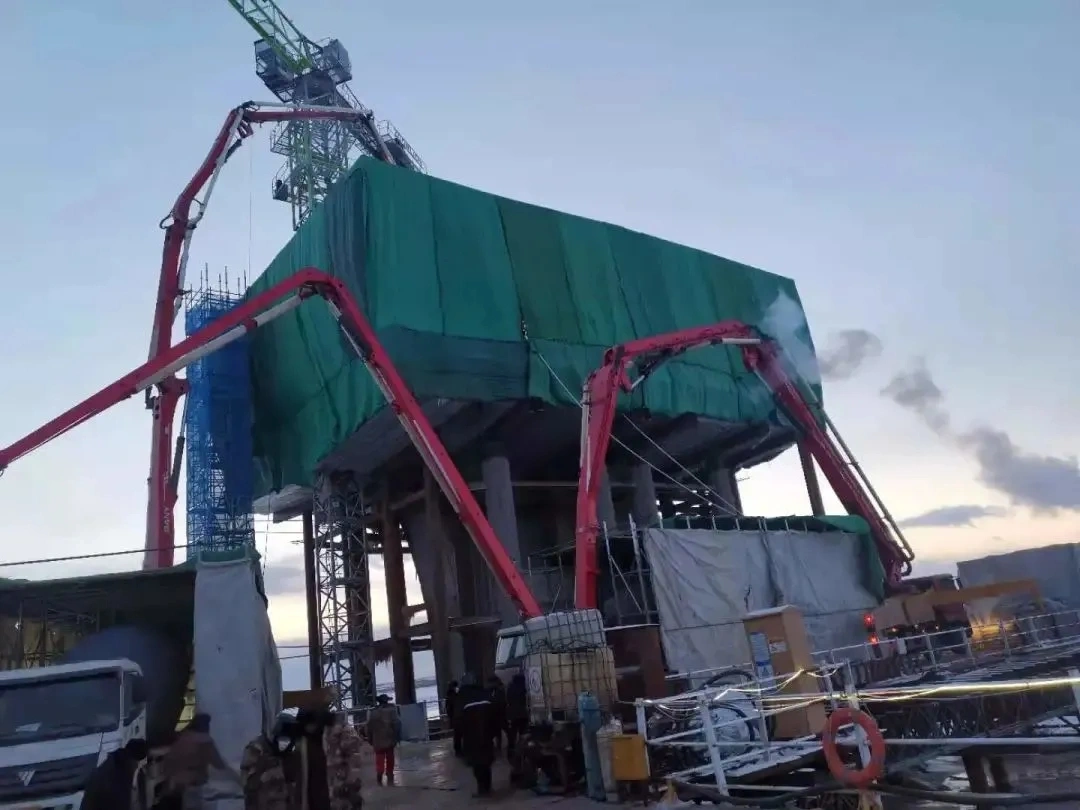
-30 degrees Celsius! Sany complete sets of concrete equipment are in full swing
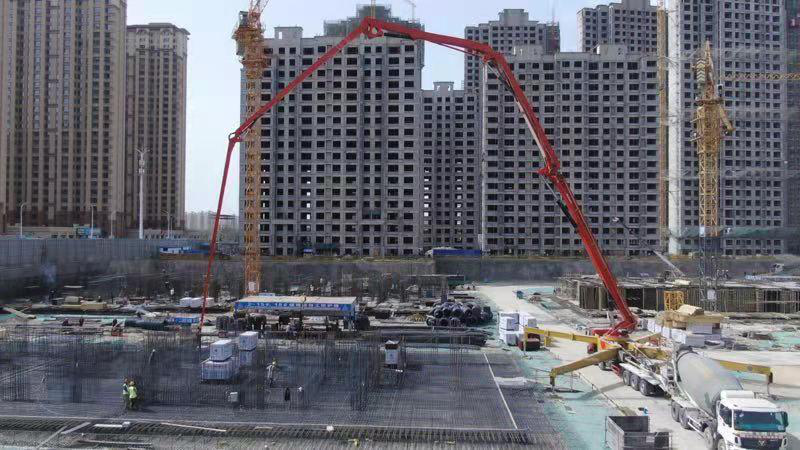
Build a benchmark project for water resources utilization in Northwest China! Sany assisted in the construction of Yinchuan No. 1 Reclaimed Water Plant
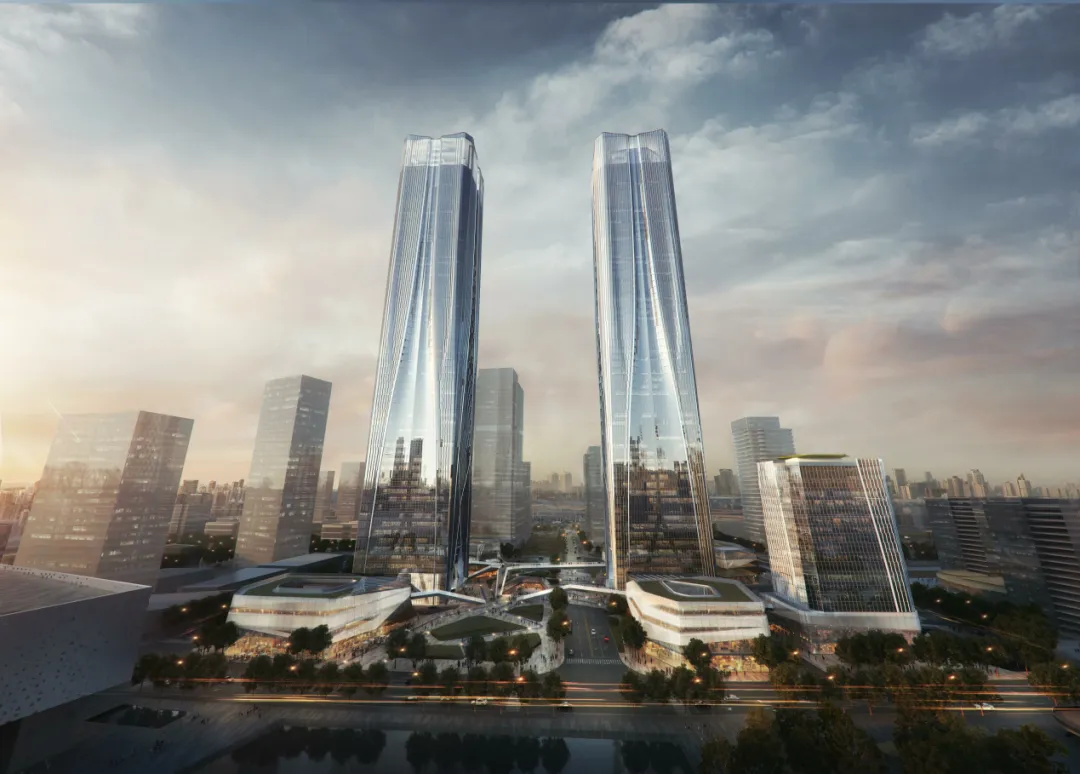
55 hours, 25,000 square meters! Sany complete sets of concrete equipment help the tallest twin towers in Shanghai
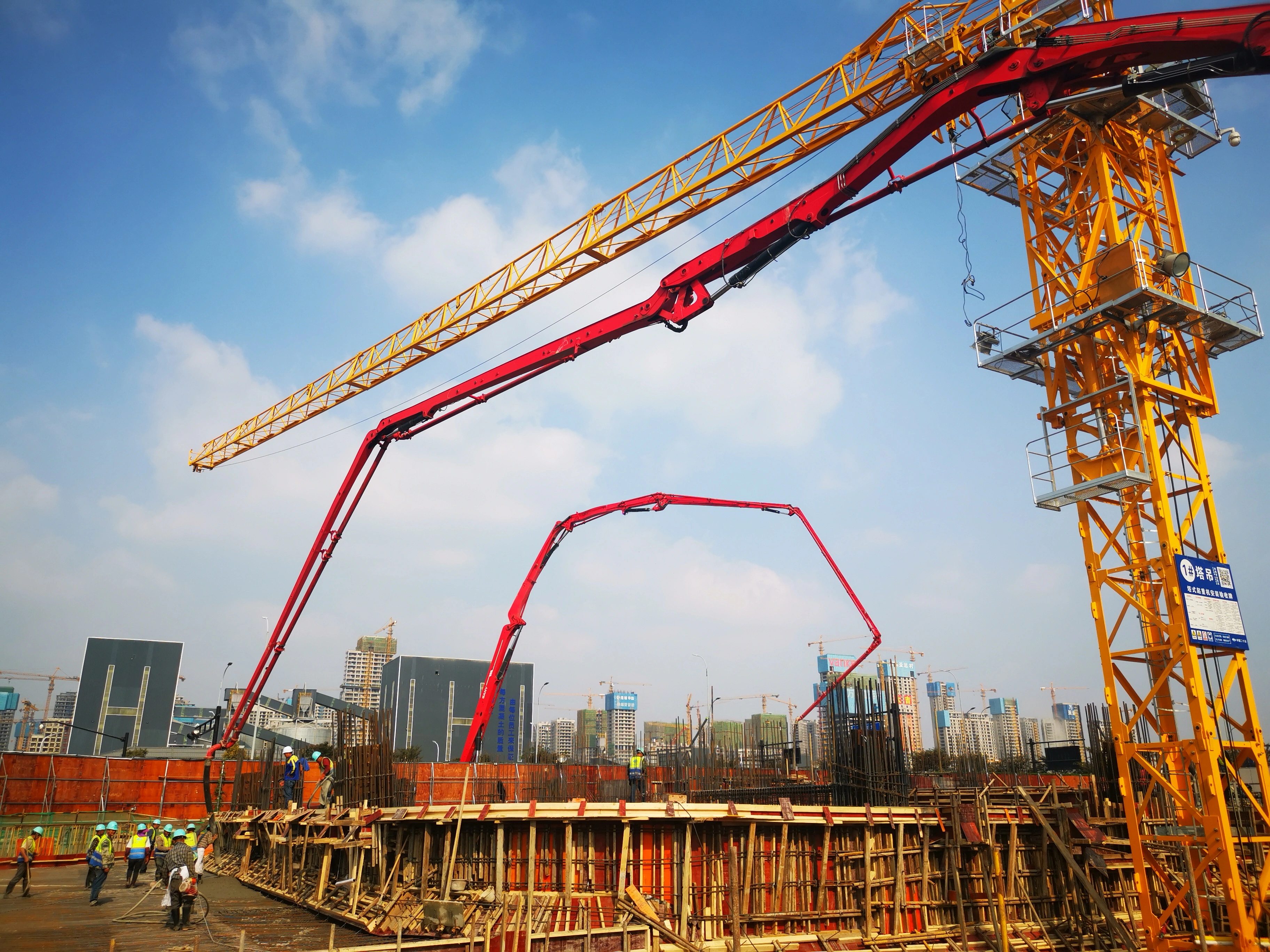
Battle the Asian Games frontline! Sany concrete equipment helps the construction of sports events