

Zhang Jianhua: Comprehensively build a modern energy system and promote the high-quality development of energy in the new era
2022.05.18
National Energy Administration
On May 18, Zhang Jianhua, director of the National Energy Administration and Secretary of the Party Leadership Group, published an article "Comprehensively Building a Modern Energy System and Promoting the High-quality Development of Energy in the New Era" in the current affairs report, which elaborated on China's current energy system and the development situation at home and abroad, and made important instructions on future development requirements and measures.
Accurately grasp the situation of energy development at home and abroad. North America is the only region with positive crude oil production growth since 2011. Emerging energy technologies such as unconventional oil and gas are accelerating iteration at an unprecedented rate and becoming one of the core drivers of the global energy transition.
Thoroughly implement the requirements of the CPC Central Committee and the State Council for energy development. During the 14th Five-Year Plan period, energy development must implement the Global Development Initiative (GDI) and strive to achieve energy security under open conditions. The central and eastern regions are the main energy consumption areas, and the important energy bases are mainly distributed in the western regions, so it is of great significance to optimize the layout and flow of energy development.
We will take effective measures to build a modern energy system in an all-round way. We will further implement coordinated regional development, coordinate ecological protection, strengthen the convergence of regional energy supply and demand, optimize the layout of energy development and utilization, improve the efficiency of resource allocation, and accelerate the construction of clean energy bases in the western region; Promote the acceleration of breakthroughs in green and low-carbon energy technologies, forge long boards of energy technology and equipment, and accelerate the digital and intelligent upgrading of the energy industry; comprehensively improve the ability to ensure energy security, focusing on strengthening the construction of "two capabilities and one system"; We will take multiple measures to enhance the ability to guarantee oil and gas supply by increasing domestic oil and gas exploration and development, improving reserve capacity, strengthening international cooperation in energy, and establishing coal-to-oil and gas production capacity and technical reserves.
Energy is the foundation and driving force of economic and social development, and is crucial to the prosperity and development of the country, the improvement of people's lives and the long-term stability of society. Since the 18th National Congress of the Communist Party of China, in the face of the complex international and domestic situation, the CPC Central Committee with Comrade Xi Jinping at the core has taken a far-sighted view and assessed the situation, and creatively put forward a new energy security strategy of "four revolutions and one cooperation", which has pointed out the direction and opened up the way for the high-quality development of energy in the new era. Recently, the "14th Five-Year Plan" for Modern Energy System (hereinafter referred to as the "Plan") was issued and implemented. The Plan is an extension and expansion of the "14th Five-Year Plan" and the outline of the long-term goals for 2035 in the energy field, and implements the strategic deployment of the Party Central Committee in all fields, links and processes of energy production and consumption, and is the overall blueprint and action plan for building a modern energy system in the coming period. During the 14th Five-Year Plan period, we should further promote the implementation of the Plan, accelerate the construction of a modern energy system, build an energy power, make every effort to ensure national energy security, help achieve the goal of carbon peak and carbon neutrality, and support high-quality economic and social development.
First, a comprehensive understanding of the foundation of China's modern energy system construction
In recent years, in the "four revolutions, one cooperation" (promote the energy consumption revolution, curb irrational energy consumption; Promote the energy supply revolution and establish a diversified supply system; promote the energy technology revolution and drive industrial upgrading; Promote the revolution of the energy system and open up the fast lane of energy development. Under the guidance of the new strategy of energy security, China has unswervingly promoted the energy revolution, comprehensively promoted the reform of energy consumption patterns, built a diversified and clean energy supply system, played the role of the first driving force of scientific and technological innovation, comprehensively deepened the reform of the energy system to release market vitality, strengthened international cooperation in energy in all aspects, made major changes in energy production and utilization, made historic achievements in energy development, and made new steps in high-quality energy development.
The transition to clean and low-carbon energy consumption continues to accelerate. Since the 18th National Congress of the Communist Party of China, the energy consumption per unit of GDP has been reduced by 26.3%, which is equivalent to reducing energy consumption by about 1.3 billion tons of standard coal, and the average annual growth of energy consumption of about 3.0% has supported the average annual growth of the national economy of 6.5%, and the energy utilization efficiency has been continuously improved. In 2021, the proportion of clean energy consumption such as natural gas, hydropower, nuclear power, and new energy power generation will increase to 25.5%, an increase of about 11 percentage points over 2012, and the transformation of energy consumption structure to clean and low-carbon will be accelerated. By the end of 2021, the number of new energy vehicles in China reached 7.84 million, showing a sustained and rapid growth trend. The clean heating area in the northern region is about 15.6 billion square meters, and the clean heating rate has reached 73.6%, replacing more than 150 million tons of loose coal (including coal for inefficient small boilers). The friendliness of energy and ecological environment has been significantly improved, the formation of an energy-saving society has been accelerated, and the energy consumption structure has been optimized.
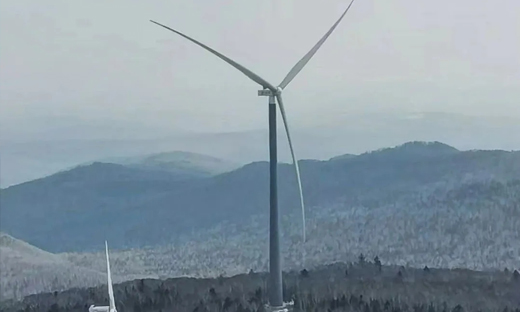
The capacity and quality of energy supply have been significantly improved. Since the "13th Five-Year Plan", China's energy independence guarantee capacity has always remained above 80%, and the relationship between supply and demand has continued to improve. In 2021, China's full-caliber power generation capacity will reach 2.38 billion kilowatts, the installed capacity of renewable energy power generation will historically exceed 1 billion kilowatts, and the annual power generation capacity of new energy will exceed 1 trillion kilowatt-hours for the first time, and the installed capacity of wind power, photovoltaic power generation, hydropower, and biomass power generation will rank first in the world for many years, with 71 nuclear power units under construction and approval, with an installed capacity of 76 million kilowatts, ranking second in the world, and the average utilization rate of hydropower, wind power, and photovoltaic power generation will reach about 98% in 2021. 97% and 98%, with an average annual utilization of more than 7,700 hours of nuclear power. Steady progress has been made in increasing oil and gas reserves and production, and the coal production capacity structure has been continuously optimized, with the output of large-scale coal mines of 1.2 million tons/year and above accounting for more than 80%. The multi-wheel drive energy production system of coal, oil, gas, electricity, nuclear, new energy and renewable energy has been basically formed, the energy transmission capacity has been significantly improved, the energy reserve system has been continuously improved, and the economic and social development and people's livelihood energy demand have been effectively guaranteed.
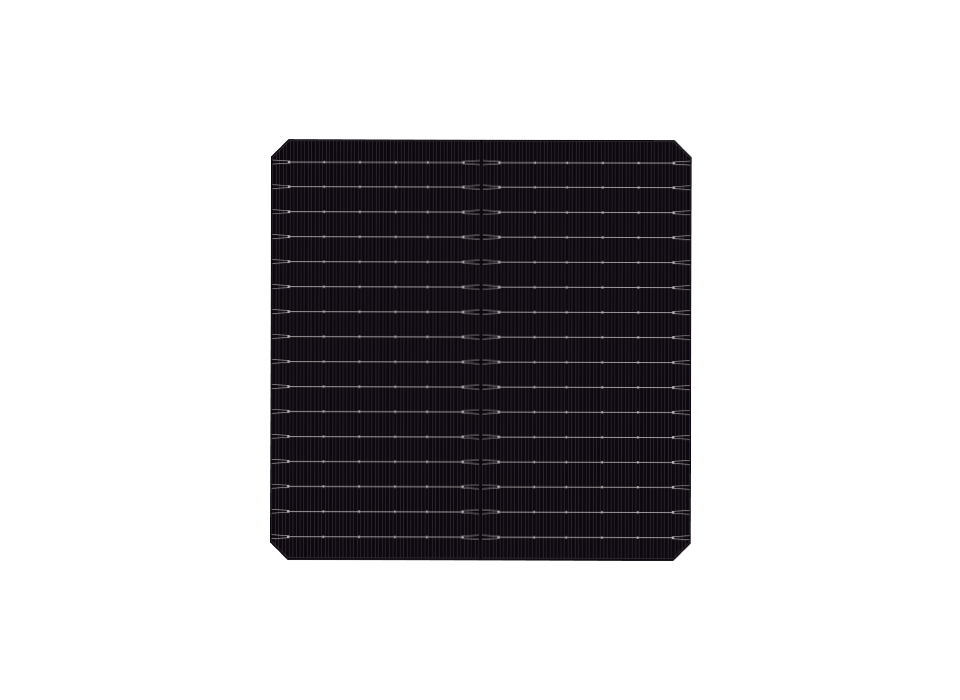
The ability to innovate in energy technology has been further enhanced. It has established a complete clean energy equipment manufacturing industry chain such as hydropower, nuclear power, wind power, and solar power generation, and has successfully developed and manufactured the world's largest hydropower unit with a single capacity of 1 million kilowatts, and has a full range of wind turbine manufacturing capacity with a maximum single capacity of 10 megawatts, which has been continuously refreshedPhotovoltaic cellsWorld record for conversion efficiency. It has formed the nuclear power technology of Hualong No. 1 and Guohe No. 1 and other third-generation pressurized water reactors with its own brand, and the advanced nuclear power technology of high-temperature gas-cooled reactors with the characteristics of the fourth generation. Conventional oil and gas exploration and exploitation technology has reached the international advanced level, shale oil and gas exploration and development technology and equipment level has been greatly improved, natural gas hydrate trial production has been successful, and a large number of new energy technologies, new models and new business formats are booming. Scientific and technological innovation in the energy field has accelerated the transformation from "following and running" to "innovation and leading", and technological progress has become an important force to promote the transformation of energy development.
The reform of the energy system and mechanism has been steadily promoted. The marketization level of the energy sector has been comprehensively improved, the business environment has been continuously optimized, the market vitality has been significantly enhanced, and it has become more convenient for market entities and the people to do business and start businesses. Market access for foreign investment in the energy sector has been further relaxed, private investment has continued to grow, and investment entities have become more diversified. The power generation and consumption plan will be liberalized in an orderly manner, the trading institutions will operate independently and standardly, and the construction of the electricity market will be further promoted. Accelerate the liberalization of the oil and gas exploration and exploitation market, the circulation of mining rights, the reform of the pipeline network operation mechanism, the dynamic management of crude oil imports, and other reforms, and improve the construction of oil and gas trading centers. The marketization of energy prices has continued to advance, the prices of competitive links have been further liberalized, and the scientific pricing system of electric power and oil and gas network links has been initially established. Energy reform and the construction of the rule of law have been promoted in tandem, and the energy legal system has been continuously improved. An energy governance mechanism covering strategies, plans, policies, standards, supervision, and services has been basically formed.
International cooperation in energy demonstrates China's wisdom. The top-level design has been continuously strengthened, and the white paper "China's Energy Development in the New Era" has been released, which has greatly relaxed the access of foreign investment in the energy sector, completely lifted the restrictions on foreign investment in coal, oil and gas, power (except nuclear power), new energy and other fields, and promoted the liberalization and facilitation of trade and investment in the energy sector. Pragmatic cooperation has yielded fruitful results, with more than 50 countries and regions to establish intergovernmental energy cooperation mechanisms, with more than 30 international energy organizations and multilateral mechanisms to establish cooperative relations, China-Russia, China-Central Asia, China-Myanmar oil and gas pipelines, Brazil's beautiful mountains UHVDC transmission, Pakistan's Chashma nuclear power plant and a large number of landmark energy projects have been completed. China has successfully hosted important international conferences such as the Belt and Road Energy Ministers' Meeting, the International Energy Transformation Forum, the APEC Energy Ministers' Meeting, the G20 Energy Ministers' Meeting, and the BRICS Energy Ministers' Meeting. New breakthroughs have been made in international cooperation in the field of energy, laying a solid foundation for energy security under open conditions, and contributing China's wisdom and strength to promoting the sustainable development of global energy and building a cleaner and more beautiful world.
2. Accurately grasp the energy development situation at home and abroad
Today's world is undergoing major changes unseen in a century, China is in a critical period of realizing the great rejuvenation of the Chinese nation, and the domestic and foreign environment facing development has undergone profound and complex changes, which has put forward new and higher requirements for ensuring national energy security and promoting high-quality energy development. A comprehensive and accurate grasp of the energy development situation at home and abroad is the premise and foundation for doing a good job in the energy work of the 14th Five-Year Plan.
The global energy supply and demand map has been deeply adjusted. At present, the changes of a century and the pandemic of the century are intertwined and superimposed, the international environment is complex, the world economy is in a downturn, the global industrial and supply chain is facing reshaping, and the instability and uncertainty have increased significantly. The impact of the new crown pneumonia epidemic is extensive and far-reaching, anti-globalization, unilateralism, protectionism and other ideological trends are surging, and geopolitical events such as the Russia-Ukraine conflict have increased the volatility of the international energy market, and the global energy governance system has been deeply adjusted. The center of gravity of energy consumption has shifted eastward, the center of gravity of production has shifted westward, the proportion of energy consumption in the Asia-Pacific region has increased to nearly 30% of the world, and North America has become the only region with positive growth in crude oil production since 2011.
Green and low-carbon has become the main theme of energy development. Since the beginning of the 21st century, technological progress has promoted the development of new energy sources, and renewable energy has provided about 60% of the world's new power generation in the past five years. The global response to climate change has embarked on a new journey, and more than 130 countries and regions have put forward carbon neutrality goals. In the post-pandemic era, countries are vying to promote a "green recovery" of the economy, and accelerating energy transition and carbon emission reduction have become the consensus of all countries in the world. China's commitment to achieve carbon peak to carbon neutrality is far shorter than the time taken by developed countries, which means that China, as the world's largest developing country, will complete the world's highest carbon emission intensity reduction, and use the shortest time in global history to achieve carbon peak to carbon neutrality, which undoubtedly requires us to make arduous efforts. The "14th Five-Year Plan" is a critical period and window period for carbon peaking, fossil energy, especially coal consumption, needs to be reasonably controlled, an energy system to adapt to the large-scale development of new energy needs to be established urgently, green development methods and lifestyles need to be accelerated, and the transformation task is more urgent.
The role of innovation in leading energy development has become more prominent. Driven by the energy revolution and the digital revolution, a new round of global scientific and technological revolution and industrial transformation is in the ascendant, reshaping the global innovation map and reshaping the global economic structure. Emerging energy technologies such as new energy, unconventional oil and gas, advanced nuclear energy, smart energy, new energy storage, and hydrogen energy are accelerating iteration at an unprecedented speed and becoming the core driving force of global energy transformation and transformation. Promoting energy science and technology to achieve high-level self-reliance and self-improvement has become a major trend to grasp the opportunities of a new round of scientific and technological revolution and industrial transformation, win the initiative of innovation and development, and ensure national energy security. During the "14th Five-Year Plan" period, it is urgent to promote energy technology and equipment to "make up for shortcomings and forge long boards", accelerate breakthroughs in a number of strategic cutting-edge technologies, stimulate new momentum for energy innovation and development, and improve the upgrading of the energy industry base and the modernization of the industrial chain.
The task of ensuring energy security remains arduous. As the world's largest energy consumer, how to effectively ensure national energy security and effectively guarantee national economic and social development has always been the primary issue of China's energy development. In the coming period, China's energy security risks are intertwined, the shortcomings of oil and gas resources are still prominent, geopolitical events, large fluctuations in international oil prices and other risk factors exist for a long time, regional and periodical tensions in energy supply occur from time to time in the process of transformation, and non-traditional security risks such as network security are becoming increasingly prominent. Energy security is an important part of national security, and building a modern socialist country in an all-round way puts forward higher requirements for energy security. Only by holding the energy job in our own hands and fully guaranteeing the national energy security can we grasp the initiative of future development and firmly guard the safety bottom line of the new development pattern.
In general, the "14th Five-Year Plan" period is an important strategic opportunity period for China's energy development, and we must deeply understand the new situations, new problems and new challenges faced by ensuring national energy security and promoting high-quality energy development in the new stage, enhance the awareness of opportunities and worries, accurately recognize changes, respond scientifically, and actively seek changes, better coordinate development and security, and realize energy innovation and reform on the basis of grasping the law.
3. Thoroughly implement the requirements of the CPC Central Committee and the State Council for energy development
The energy development during the "14th Five-Year Plan" period should adhere to the guidance of Xi Jinping Thought on Socialism with Chinese Characteristics for a New Era, the new energy security strategy of "four revolutions and one cooperation" as the fundamental follow, and fully implement the overall ideas and specific requirements of the CPC Central Committee and the State Council for building a clean, low-carbon, safe and efficient energy system.
Requirements on the National Security Strategy. Security is the premise of development, and development is the guarantee of security. The current and future period is a period in which all kinds of contradictions and risks are prone to occur in China, and various foreseeable and unforeseeable risk factors have increased significantly. General Secretary Xi Jinping stressed that "we must adhere to the overall planning of development and security, enhance the awareness of opportunities and risks, and establish a bottom-line thinking", "pay attention to plugging loopholes, strengths and weaknesses, play a good first move, fight the active battle, and effectively prevent and resolve various risks and challenges". During the "14th Five-Year Plan" period, energy development must implement the overall national security concept, based on the basic national conditions of coal-based, adhere to the principle of establishing first and then breaking down, and make overall plans, build a modern energy system on the premise of ensuring security, and promote low-carbon transformation and supply security in a coordinated manner, and strive to build a solid national energy security barrier.
Requirements for the construction of ecological civilization. The construction of ecological civilization is a millennium plan related to the sustainable development of the Chinese nation, and it is also an important part of the overall layout of the "five-in-one". The 19th National Congress of the Communist Party of China (CPC) regarded energy development as an important aspect of the construction of ecological civilization, emphasizing the need for green development to meet the people's growing needs for a better life. The ninth meeting of the Central Financial and Economic Commission incorporated carbon peaking and carbon neutrality into the overall layout of ecological civilization construction, and further clarified the task requirements of building a clean, low-carbon, safe and efficient energy system. Energy activities are the main source of carbon emissions, and green and low-carbon energy development is an inherent and inevitable requirement for the construction of ecological civilization. During the "14th Five-Year Plan" period, energy development must unswervingly follow the high-quality development path of ecological priority, green and low-carbon, seek progress while maintaining stability, promote green and low-carbon transformation of energy production and consumption patterns, and promote the comprehensive green transformation of economic and social development.
Requirements for innovation-driven development. The Fifth Plenary Session of the 19th Central Committee of the Communist Party of China proposed to "adhere to the core position of innovation in the overall situation of China's modernization", put it in the first place of the "14th Five-Year Plan" and deploy it in a special chapter, which is the first time in the history of our Party to study and formulate the Five-Year Plan for National Economic and Social Development, and fully reflects the great importance that the Party Central Committee attaches to promoting innovation through reform and promoting development through innovation. During the "14th Five-Year Plan" period, energy development must adhere to innovation as the first driving force to lead development, with the goal of achieving self-reliance and self-improvement in energy science and technology, relying on the improvement of the energy science and technology innovation system, and strive to enhance the ability of energy science and technology innovation and improve the modernization level of the energy industry chain.
Requirements for regional coordination and people's livelihood security. Promoting coordinated regional development is one of the major national strategies in the new era, and an important part of implementing the new development concept and building a modern economic system. The reverse distribution of energy production and consumption in China is obvious, the central and eastern regions are the main energy consumption areas, and the important energy bases are mainly distributed in the western regions, so it is of great significance to optimize the layout and flow direction of energy development. Persisting in ensuring and improving people's livelihood and continuously enhancing the people's sense of gain, happiness and security is an important embodiment of the people-centered development philosophy. During the "14th Five-Year Plan" period, energy development must optimize the layout of development and utilization, give full play to the strategic security support role of energy-rich areas, increase the development and utilization of energy nearby, improve the efficiency of resource allocation, and promote regional coordinated development. At the same time, we will adhere to the priority of people's livelihood and shared development, strive to improve the level of universal energy services, and promote more and better benefits of energy development to the general public.
Requirements for the modernization of governance systems and governance capacities. The Fourth Plenary Session of the 19th Central Committee of the Communist Party of China (CPC) made a comprehensive plan for promoting the modernization of the national governance system and governance capacity, emphasizing the need to "put system building and governance capacity building in a more prominent position, and continue to deepen the reform of institutional mechanisms in all fields and aspects". China adheres to the modernization of the energy governance system and governance capacity as the fundamental guarantee for energy reform and development, and strives to promote the energy system revolution. After exploration and innovation, the main framework of the "four beams and eight pillars" of energy reform has been basically established, but it still cannot keep up with the pace of energy transformation and reform. During the "14th Five-Year Plan" period, energy development must adhere to the direction of market-oriented reform, strive to improve the legal guarantee for energy development, break down the institutional and institutional obstacles restricting the high-quality development of energy, and comprehensively improve the efficiency of energy governance.
On the requirements of high-level opening up. Since the 18th National Congress of the Communist Party of China, the CPC Central Committee with Comrade Xi Jinping at the core has profoundly grasped the general trend of development in China and the world in the new era, creatively put forward a series of new diplomatic concepts, ideas and strategies, achieved major theoretical and practical innovations in foreign work, and provided a fundamental basis for high-quality international cooperation in energy under the new situation. International energy cooperation is an important part of international exchanges and cooperation, China has become the world's largest energy producer and consumer, and the international community's expectations and reliance on China are increasing. During the 14th Five-Year Plan period, energy development must implement the Global Development Initiative, adhere to the guidance of the Belt and Road Initiative, focus on the implementation of a wider scope, wider and deeper energy open cooperation, promote the formation of a mutually beneficial and win-win international cooperation pattern, and strive to achieve energy security under open conditions.
Fourth, take effective measures to build a modern energy system in an all-round way
To implement the new energy security strategy of "four revolutions and one cooperation", anchor the long-term goal of 2035, and resolutely implement the major strategic decisions of carbon peak and carbon neutrality during the "14th Five-Year Plan" period, with the theme of promoting high-quality development, deepening supply-side structural reform as the main line, reform and innovation as the fundamental driving force, and meeting the energy needs of economic and social development and people's energy needs for a better life as the fundamental purpose, and promote the construction of a modern energy system to make important progress.
(1) Enhance energy security capabilities in an all-round way
China is the world's largest energy producer and consumer, accounting for about 1/5 and 1/4 of the world's energy production and consumption respectively. Ensuring the safe and reliable supply of energy is a major strategic issue related to the overall economic and social development of China. Over the years, China's energy self-sufficiency rate has remained above 80%, and the safety risks are generally controllable. During the "14th Five-Year Plan" period, it is necessary to enhance the sense of worry, adhere to the bottom-line thinking, prevent and resolve various risks and challenges faced by energy development, and focus on strengthening the construction of "two capabilities and one system". The first is to improve the ability to guarantee the security of energy strategy. By increasing domestic oil and gas exploration and development, improving reserve capacity, strengthening international energy cooperation, and establishing coal-to-oil and gas production capacity and technical reserves, we will take multiple measures to enhance the ability to guarantee oil and gas supply. The second is to enhance the ability of the energy system to operate smoothly. Under the premise of strictly and reasonably controlling the growth of coal consumption, we should give full play to the role of coal as the main energy source, do a good job in stabilizing coal production and supply, and strengthen the construction of production capacity and product reserves. Research and improve the early warning mechanism for the balance between supply and demand, resolve the contradictions between regional and temporal supply and demand such as electricity and natural gas, and ensure the smooth and orderly operation of the energy system. The third is to improve the energy security risk management and control system. In response to the frequent extreme weather and other natural disasters in recent years, improve the emergency response plan system. Prevent and resolve non-traditional security risks, and strengthen research on key technologies for network security.
(2) Build a clean and low-carbon energy production and consumption system
The green and low-carbon development of energy is a systematic project, involving energy production, processing and conversion, and terminal consumption. It must be driven by the transformation of the consumption structure of the main energy-using industries and supported by the clean supply guarantee of the energy industry. The first is to accelerate the implementation of renewable energy substitution actions. Promote the construction of a large-scale wind power and photovoltaic base with a total scale of 450 million kilowatts, and accelerate the development of distributed new energy. Actively and steadily develop hydropower and nuclear power, and start construction of a number of major engineering projects. Develop biomass energy, geothermal energy and other renewable energy sources according to local conditions, and ensure that the proportion of non-fossil energy consumption will increase to about 20% by 2025. The second is to do a good job in the clean and efficient use of coal. According to the development needs, we will rationally build advanced coal-fired power plants, and vigorously implement energy-saving and carbon-reduction transformation, flexibility transformation, and heating transformation of coal-fired power plants, with a total transformation scale of about 600 million kilowatts during the 14th Five-Year Plan period. The third is to vigorously promote the transformation and upgrading of terminal energy consumption. Improve the "dual control" system of energy consumption, gradually strengthen the constraints on the total amount and intensity of carbon emissions, and control the consumption of fossil energy in high-energy-consuming industries such as industry, construction, and transportation. Improve the market mechanism oriented by green electricity consumption, comprehensively promote the substitution of electric energy, and strive to account for about 30% of the total energy consumption of electric energy by 2025。 Fourth, actively build a new power system. It is planned to build a new energy supply and consumption system based on large-scale wind power and photovoltaic bases, supported by clean, efficient, advanced and energy-saving coal-fired power around them, and supported by stable, safe and reliable UHV transmission and transformation lines. Carry out the construction of new energy microgrids and active distribution networks, and accelerate the development of distributed new energy. A multi-pronged approach should be taken to strengthen the shortcomings of the system's regulation capacity, optimize the power grid dispatching and operation mode, and accelerate the evolution of the power system to adapt to large-scale and high-proportion renewable energy.
(3) Promote the coordinated development of regional urban and rural energy
Taking the "Hu Huanyong Line" as the approximate dividing line, the energy consumption in the central and eastern regions of China accounts for more than 70% of the country, and the production accounts for less than 30%, and the important energy bases are mainly distributed in the western region. For a long time, an energy flow pattern of "west-to-east power transmission, north-south coal transportation, and west-to-east gas transmission" has been formed. Entering a new stage of development, the energy industry should thoroughly implement the regional coordinated development strategy, coordinate ecological protection and high-quality development, strengthen the connection between regional energy supply and demand, optimize the layout of energy development and utilization, and improve the efficiency of resource allocation. The first is to speed up the construction of clean energy bases in the western region. The western region is rich in fossil energy and renewable energy resources, so it is necessary to adhere to the path of green and low-carbon development, shift the focus of development to the clean energy industry, and focus on the construction of "wind, solar, water (storage)" and "wind, solar, fire (storage)" and other multi-energy complementary clean energy bases. The second is to improve the level of clean and low-carbon energy development in the central and eastern regions. Focusing on the Beijing-Tianjin-Hebei region and its surrounding areas, the Yangtze River Delta, and the Guangdong-Hong Kong-Macao Greater Bay Area, we will accelerate the development of distributed new energy, coastal nuclear power, offshore wind power, etc., and promote energy "from the side" and "from afar" to enhance local energy self-sufficiency. The third is to strengthen the optimal allocation of resources between regions. The characteristics of the reverse distribution of energy production and consumption in China determine that the pattern of large-scale cross-regional transmission will continue in the coming period, and it is expected that the scale of west-to-east power transmission will reach more than 360 million kilowatts in 2025. In order to fully tap the transmission potential of existing channels, new transmission channels should be "green channels", and the proportion of renewable energy should not be less than 50% in principle. Fourth, improve the level of universal energy services in urban and rural areas. Focus on meeting people's diversified energy needs for production and life, such as electricity, gas, cold and heat, improve urban and rural energy supply infrastructure, actively promote rural energy reform, and support the implementation of new urbanization and rural revitalization strategies.
(4) Enhance the scientific and technological innovation capacity of the energy industry
At present, a new round of scientific and technological revolution and industrial transformation is poised to start, major disruptive technologies are emerging, and the transformation of scientific and technological achievements is accelerating. The core of the first two industrial revolutions is the transformation of energy technology, and the biggest feature of the new round of scientific and technological revolution and industrial transformation will be the close integration of new energy and Internet technology. We should attach great importance to the important role of energy technology transformation, adhere to innovation-driven development, accelerate the energy technology revolution, and strive to improve the modernization level of the energy industry chain. The first is to strive to achieve self-reliance and self-improvement in energy science and technology, and enhance the ability of the industrial chain to resist risks. The second is to consolidate and enhance the competitiveness of the energy industry chain. Based on the advantages of China's new energy industry, we will accelerate breakthroughs in green and low-carbon energy technologies and forge energy technology and equipment long boards. The third is to accelerate the digital and intelligent upgrading of the energy industry. It is necessary to accelerate the deep integration of modern information technology and the energy industry, promote the digitalization of energy infrastructure, build application scenarios and industrial models based on 5G and other technologies, realize the interaction of source, grid, load and storage, multi-energy synergy and complementarity, and intelligent regulation and control of energy demand. In addition, efforts should be made to improve the energy science and technology innovation system, integrate and optimize scientific and technological resources, implement systems such as "unveiling the leader" and "horse racing", and guide all kinds of social capital to invest in the field of energy science and technology innovation.
(5) Enhance the efficiency of energy governance
Energy has been a key area of China's economic system reform. In 2015, the Central Committee of the Communist Party of China and the State Council issued the "Several Opinions on Further Deepening the Reform of the Electric Power System", which clarified the core content of "three liberalizations, one independence, and three strengthenings" to further deepen the reform of the electric power system. In 2017, the Central Committee of the Communist Party of China and the State Council issued the "Several Opinions on Deepening the Reform of the Oil and Gas System", which clarified the key tasks of the reform of the entire oil and gas industry chain. The "14th Five-Year Plan" period is a critical period for comprehensively deepening reform, and it is necessary to comprehensively promote the modernization of the energy governance system and governance capacity. The first is to improve the system of energy laws and regulations. China's energy legislation has gone through a long period of exploration, and since 1995, it has successively promulgated and implemented separate laws such as the Electricity Law, the Coal Law, and the Renewable Energy Law. The next step is to make every effort to promote the formulation of the energy law and speed up the formulation and revision of the electricity law, the coal law, and the regulations on national oil reserves. The second is to improve the market-oriented mechanism of energy transition. The reform of electric power, oil and gas, and other fields must adhere to the system concept and promote it in a coordinated manner. During the "14th Five-Year Plan" period, it is necessary to focus on the development of new models and new business formats such as flexible system adjustment capabilities, green energy consumption, integrated energy services and intelligent microgrids, and promote new breakthroughs in institutional reform. The third is to deepen the reform of "decentralization, decentralization and service" in the energy sector. The focus of the reform of "delegating power, delegating power, delegating power, and improving services" is to create a first-class business environment and continuously liberate and develop productive forces. In view of the difficulties and blockages in market-oriented reforms in the fields of incremental distribution networks, oil and gas exploration and development, and gas storage capacity building, it is necessary to intensify reforms, fully stimulate the vitality of market players, and continue to optimize the business environment.
(6) Open up a new situation of win-win energy cooperation
In recent years, China has strengthened international energy cooperation in an all-round way, focusing on the "Belt and Road" energy cooperation, "bringing in" and "going out" at the same time, continuously strengthening infrastructure interconnection, achieving remarkable results in overseas production capacity and resource cooperation, and continuously improving its ability to participate in global energy governance. During the "14th Five-Year Plan" period, in the face of the new trends and new characteristics of international energy cooperation, it is necessary to adhere to maintaining energy security under open conditions, deeply practice the concept of a community with a shared future for mankind, and create a new situation for China's energy foreign cooperation. The first is to promote the high-quality development of energy cooperation along the Belt and Road. We will continue to build and operate the Belt and Road Energy Partnership, an important cooperation platform, steadily expand the "circle of friends", further promote pragmatic cooperation with major energy resource countries, strengthen energy infrastructure interconnection with neighboring countries, and enhance energy security under open conditions. Second, we need to strengthen international cooperation on climate change. It is necessary to give full play to the advantages of China's new energy technology and equipment industry, consolidate and expand the docking with relevant national green development strategies, build a number of green energy cooperation projects, and accelerate the construction of the Green Silk Road. Third, we should actively participate in the reform and construction of the global energy governance system. Strengthen exchanges and cooperation with major energy international organizations such as the International Energy Agency, the International Renewable Energy Agency, and the Organization of the Petroleum Exporting Countries, and tell China's story of green and low-carbon energy development under multilateral frameworks such as the United Nations, the G20, the Asia-Pacific Economic Cooperation, BRICS, and the Shanghai Cooperation Organization.
The blueprint has been drawn, and the mission is urging people to forge ahead. To do a good job in the "14th Five-Year Plan" energy development and reform, the task is arduous and heavy. We must unite more closely around the Party Central Committee with Comrade Xi Jinping as the core, take Xi Jinping Thought on Socialism with Chinese Characteristics for a New Era as the guide, strengthen the "four consciousnesses", strengthen the "four self-confidences", and achieve the "two safeguards", conscientiously implement the decisions and arrangements of the Party Central Committee and the State Council, face difficulties, forge ahead, and grasp the implementation of the "Plan" with the vigor of stepping on the stone and grasping the traces of iron, and strive to create a new situation of low-carbon energy transformation and high-quality development.
Founded in 2013, Sany Petroleum is a professional company engaged in the R&D and manufacturing of oil and gas cementing and fracturing equipment, drilling and production automation equipment, EPC general contracting and oilfield technical services. The centralized control system and other complete sets of drilling and workover wellhead automation equipment are committed to providing customers with safe, efficient, intelligent and IOT complete sets of petroleum equipment and comprehensive solutions and integrated services.
Recommended products
Related testimonials
CCTV Finance × Sany Heavy Industry: Infrastructure results are released! Anhui is soaring, and the equipment of the western port has become a "dark horse"
2025.05.19
China's installed wind and solar capacity has historically surpassed that of thermal power
2025.04.28
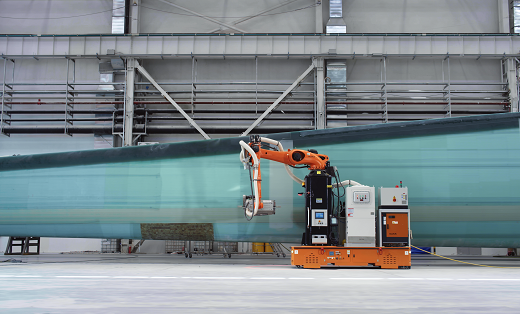
Breakthroughs have been made in the challenges of customization and high precision, and new progress has been made in the intelligent production of high-end equipment
2025.03.24




0 comments