

Adhere to the problem-oriented approach and further promote the energy revolution
2022.10.27
China Petroleum News (Petroleum Business Daily)
The report of the 20th National Congress of the Communist Party of China emphasized that we must grasp the worldview and methodology of socialism with Chinese characteristics in the new era, adhere to and use the positions, views and methods that run through it, and put forward six things that must be adhered to in the new journey, one of which is to adhere to the problem orientation. Questions are the voice of the times, and answering and guiding the solution of problems is the fundamental task of theory. It is necessary to enhance the awareness of problems, focus on all kinds of problems, and constantly put forward new ideas and new methods to truly solve problems.
The development of China's energy
The energy system is highly complex and related to all aspects of the economy and society, and energy development and security need not only the energy system itself to build, but also the external help to ensure it. Economic and social development, technological innovation, geopolitics, and climate change are all important variables affecting energy development and security.
In the current world of high uncertainty, instability and increasing complexity, energy development is facing many problems and constraints, and it is necessary to adhere to the problem-oriented formulation of energy strategies, continue to optimize and adjust and improve the institutional system, and ensure that energy development moves forward along a high-quality trajectory.The history of China's energy development is a history of facing problems, solving problems, facing new problems, and then solving them.
In 1949~1992, he adhered to the principle of independence and self-sufficiency, and constantly improved his self-sufficiency. Although China established its first oil industrial base in Yumen, Gansu Province, in 1939, it produced only 120,000 tons of crude oil annually until the founding of the People's Republic of China in 1949. In the 50s of the 20th century, the self-sufficiency rate of China's main oil products was only 40%. To this end, the People's Republic of China has adopted the policy of self-reliance and gradually implemented a "self-sufficient" energy security strategy. During the period of 1959~1962, with the discovery of Daqing Oilfield and Shengli Oilfield, a new page was opened in the history of the development of China's petroleum industry. Subsequently, a large number of oil fields such as Dagang, Jianghan, Liaohe, Changqing, Henan, North China, and Central Plains were also discovered and put into development, and China's oil production rose rapidly.
In 1963, China achieved basic self-sufficiency in petroleum products. Since 1973, China has gradually exported crude oil to Japan, the Philippines, Thailand, Romania and other countries, as well as to Hong Kong, China. By 1985, China's crude oil exports reached the highest level in history, with 30.03 million tons of exports and 31.15 million tons of actual exports. Since then, China's crude oil exports have also begun to decline due to the increase in oil demand for domestic economic development and the slowdown in the growth rate of oil production. By 1993, China went from being a net exporter of oil to a net importer of oil.
In 1993~2002, the "going out" strategy was implemented to effectively ensure the needs of economic and social development. After 1993, affected by the rapid economic development and the potential of oil and gas resources, China's energy dependence on foreign countries has gradually increased, especially after 2000, the rapid growth of oil imports, driving the energy self-sufficiency rate has declined, and the energy security at this stage mainly focuses on the supply security of oil and gas resources to ensure the stable supply of oil and gas required for economic and social development. To this end, China's oil enterprises have implemented the "going out" strategy.
In March 1993, China National Petroleum Corporation (CNPC) obtained the right to operate oil in the Bangya Block in Thailand. This is not only the first time that a CNPC has obtained the right to exploit an oilfield overseas, but also opened the curtain on CNPC's entry into overseas markets and the implementation of the "going out" strategy. After that, the scale of "going out" continued to expand, and the quality continued to improve. Through these activities, Chinese energy companies have gradually become familiar with the international investment environment, mastered the skills of bidding for overseas energy projects, and accumulated valuable experience.
Since 1997, Chinese energy companies have entered a stage of steady development in their overseas business, successively signing oil and gas development agreements with Sudan, Kazakhstan and Venezuela, and signing agreements on product sharing, joint ventures and concessions in Canada, Thailand, Myanmar, Turkmenistan, Azerbaijan, Oman, Iraq and other countries, covering oil and gas exploration and development, surface construction, long-distance pipelines, petroleum refining, petrochemical industry and oil sales.
In 2003~2014, we insisted on paying equal attention to open source and reducing expenditure, and coordinated the harmonious development of man and nature. In October 2003, the Third Plenary Session of the 16th Central Committee of the Communist Party of China put forward the Scientific Outlook on Development, which clarified the need to "adhere to the people-oriented, establish a comprehensive, coordinated and sustainable development concept, and promote the all-round development of the economy, society and people", and emphasized the need to "coordinate the harmonious development of man and nature". The Scientific Outlook on Development is based on the basic national conditions of the initial stage of socialism, summing up China's development practice, learning from foreign development experience, and adapting to the new development requirements.
Insisting on paying equal attention to open source and reducing expenditure is the concrete embodiment and implementation of the scientific concept of development in the field of energy. In June 2004, the Outline of China's Energy Medium and Long-Term Development Plan (2004-2020), which was discussed and adopted in principle by the executive meeting of the State Council, established China's energy development strategy and policy objectives, and put forward the concept of "giving priority to energy conservation and efficiency; coal-based, diversified development; Based on domestic and overseas; Coordinate urban and rural areas and rationally distribute; relying on science and technology and innovation system; to protect the environment and ensure safety".
Entering a new stage of high-quality development
On June 13, 2014, General Secretary Xi Jinping innovatively proposed a new strategy of "four revolutions and one cooperation" for the energy revolution at the meeting of the Central Financial and Economic Leading Group, emphasizing the need to promote the energy consumption revolution and curb unreasonable energy consumption; Promote the energy supply revolution and establish a diversified supply system; promote the energy technology revolution and drive industrial upgrading; Promote the revolution of the energy system and open up the fast lane of energy development; Strengthen international cooperation in all directions to achieve energy security under open conditions.
As China's economic and social development enters a new normal, environmental resource constraints have become more serious, but under the guidance of the new energy strategy of "four revolutions and one cooperation", a series of important measures have been introduced, and a series of achievements have been emerging. Since then, China's energy development has entered a new stage of high-quality development.
The reform of the energy supply side has been further promoted. During the 13th Five-Year Plan period, the number of coal mines in China decreased from about 9,700 in 2015 to about 4,700 in 2020, and the proportion of coal production in large coal bases increased to 96.6%. The industrial chain and supply chain have been continuously improved, the production, supply, storage and marketing system of the oil and gas industry has been continuously optimized, the seven-year action plan has been implemented, the domestic oil storage and production have stopped falling and rebounded, the national pipeline network company has been successfully listed, and the oil and gas reserve capacity has been continuously improved.
The intensity of energy consumption has been declining, and the energy structure has been continuously optimized. In 2021, the country's total energy consumption will be 5.24 billion tons of standard coal, an increase of 30.4% over 2012, and the average annual growth rate of energy consumption of 3% will support the average annual gross domestic product (GDP) growth rate of 6.6%, of which the growth rate of fossil energy consumption such as coal and oil will be flat, with an average annual growth rate of 0.3% for coal consumption and an average annual growth rate of 3.9% for oil consumption; The consumption of clean energy such as natural gas, hydropower, nuclear power and new energy power generation has grown rapidly, with an average annual growth rate of 10.5% for natural gas consumption and 9.3% for primary electricity and other energy sources.
Breakthroughs in energy technology innovation continue. Concentrate on breakthroughs in major key technologies, key materials and key equipment, implement a number of measures to focus on tackling key problems, demonstrate and test, and apply and promote a number of measures, greatly improving the ability of independent energy innovation, significantly improving the international competitiveness of the energy industry, and initially forming an energy technology innovation system. China has mastered the advanced technology of large-scale third-generation pressurized water reactors and high-temperature gas-cooled reactors, and has made significant progress in the localization of large-capacity offshore wind turbines and key components, the world's largest photovoltaic output and installed capacity, and the overall photovoltaic power generation technology is in the "leading" stage, the highest conversion efficiency of crystalline silicon cells and thin-film cells has set world records for many times, and key equipment such as inverters, data acquisition and remote monitoring systems have been autonomous. China's onshore wind power technology has reached the international advanced level as a whole, and new megawatt wind turbines such as low wind speed, low temperature and plateau are widely used in line with national conditions, and the output and installed scale of wind turbines are the first in the world. New models and new forms of business such as energy Internet and new energy microgrids are developing rapidly.
The reform of the energy system has been deepened. The "dual powers" of local refining and imported crude oil will be liberalized, the upstream oil field will be opened, the wholesale business of crude oil and refined oil will be liberalized, and the retail management power will be decentralized. Implement the reform of the power system of "controlling the middle and liberalizing the two ends", and promote the marketization of electricity, the reform of transmission and distribution prices, and the establishment of independent power trading institutions.
Go out, bring in, and strengthen cooperation in an all-round way. It proposes global energy interconnection and an energy community with a shared future, relying on the joint construction of the "Belt and Road" and the highest vision of building a community with a shared future for human energy to strengthen international energy cooperation, promote the sustainable development of global energy, and provide energy security for the common development and prosperity of the global economy.
Today's world is undergoing major changes unseen in a century, and factors such as technological revolution, industrial adjustment, and structural reshaping are intertwined and superimposed, making the situation of energy development and security more complex and severe. In the face of new situations, new problems and new challenges, we need to adhere to the problem-oriented, and adhere to the principle of putting the people first, being self-confident and self-reliant, keeping integrity and innovation, system concepts, and keeping the world's positions and views in mind. The realization of the great rejuvenation of the Chinese nation provides a strong guarantee and surging power.
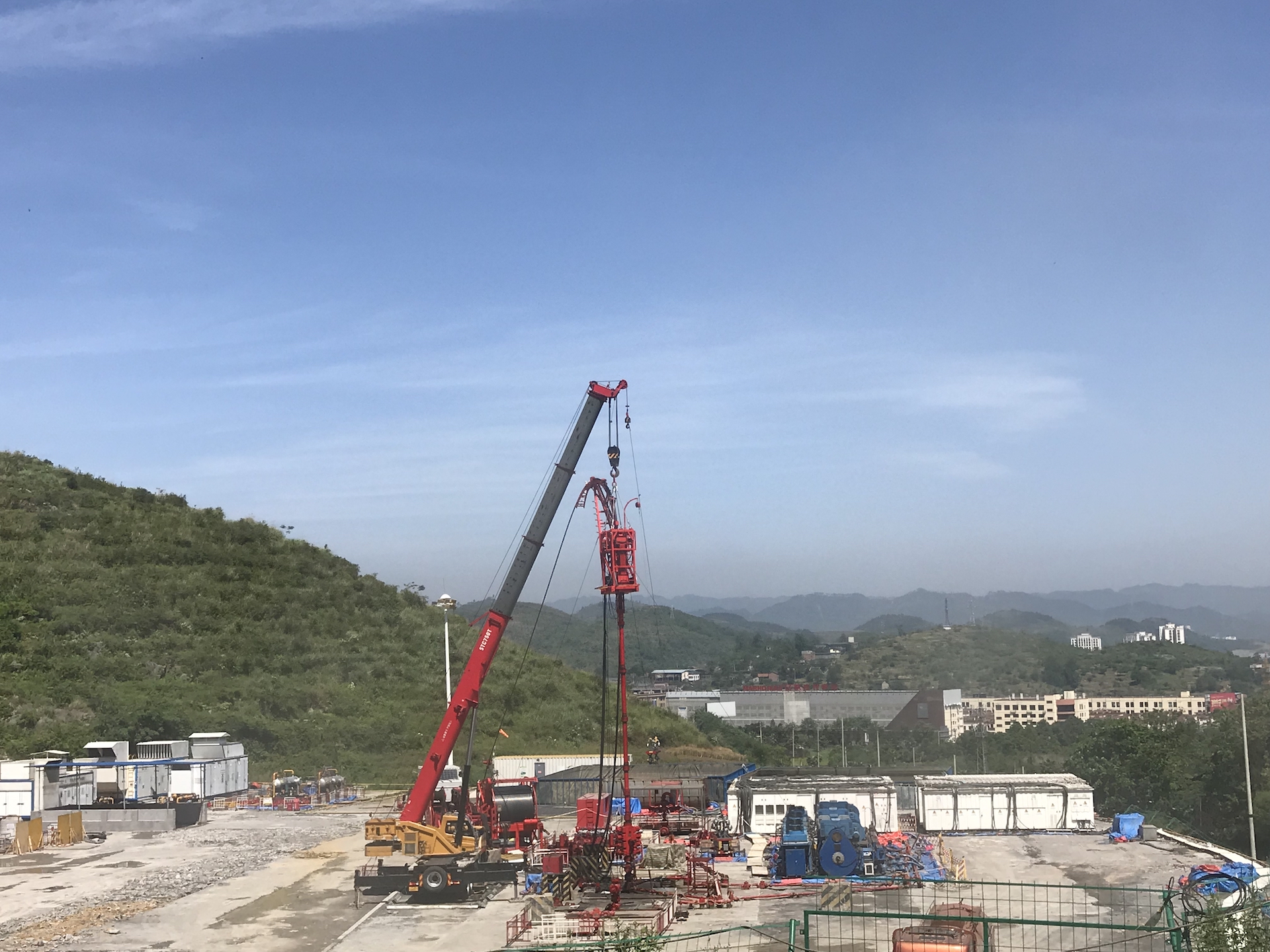
Energy is the food of industry and the lifeblood of the national economy, and energy development and security are related to the prosperity and development of the country, the improvement of people's lives, the long-term stability of society and the sustainable development of the world. Founded in 2013, Sany Petroleum is a professional company engaged in the R&D and manufacturing of oil and gas cementing and fracturing equipment, drilling and production automation equipment, EPC general contracting and oilfield technical services. The company has developed fracturing trucks,Electrically driven fracturing skids, sand mixing trucks, mixing vehicles, intelligent instrument vehicles, liquid nitrogen pump trucks and other complete sets of fracturing equipment, coiled tubing operation vehicles, coiled tubing drums and other coiled tubing equipment, as well as drilling (workover) two-layer manipulators, drilling platform manipulators, automated remote operation platforms, centralized control systems and other complete sets of drilling and workover wellhead automation equipment, is committed to providing customers with safe, efficient, intelligent, IoT complete sets of petroleum equipment and comprehensive solutions and integrated services.
Today, in the reform and adjustment of energy structure ,Sany Petroleum, with an innovative R&D system of "intelligence" + "digitalization",Integrated oilfield technical services make petroleum equipment more intelligentInject more value and possibilities into energy production.
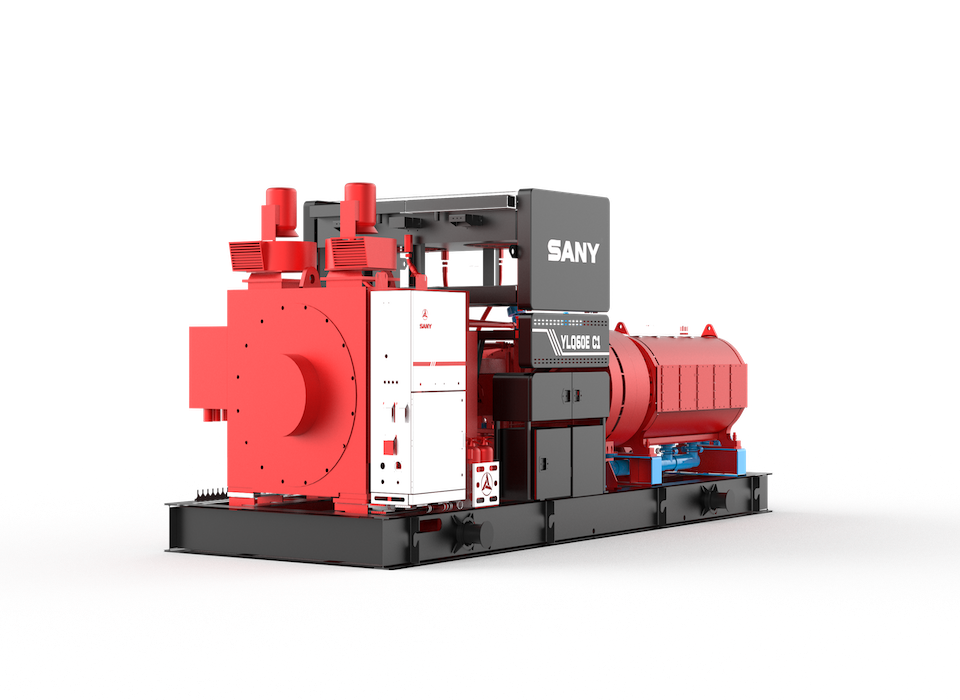
Recommended products
Related testimonials
CCTV Finance × Sany Heavy Industry: Infrastructure results are released! Anhui is soaring, and the equipment of the western port has become a "dark horse"
2025.05.19
China's installed wind and solar capacity has historically surpassed that of thermal power
2025.04.28
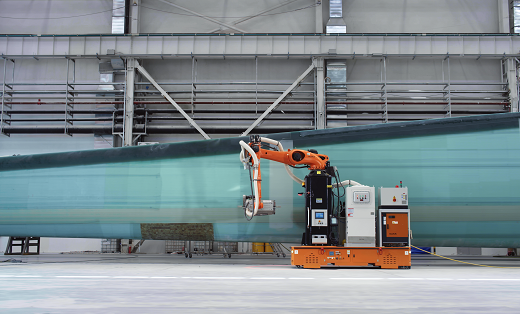
Breakthroughs have been made in the challenges of customization and high precision, and new progress has been made in the intelligent production of high-end equipment
2025.03.24




0 comments