
Earth-moving machineryConcrete machinerycraneRoad machineryPiling machineryCoal machineryPort machineryWind power equipmentSany heavy truckTrinity ConstructionPetroleum equipmentTrinity EnvironmentEnvironmental engineeringEmergency rescue equipmentMining dump truckstip truckAerial work machineryLithium battery equipmentWarehousing and logisticsPhotovoltaic productsHydrogen equipmentCrushing equipment
Micro-diggingSmall diggingMedium diggingBig diggingWheeled excavatorsLoaderDiversify your productsAttachments
Pump trucksMixer trucksConcrete batching plantOn-board pumpsElectric vehicle on-board pumpsTow pumpMortar pumpsWet sprayerFilling pumpsNew energy mixer truckDry mix mortar mixing plantMortar/concrete dual-purpose batching plant
Truck cranesAll-terrain cranesTruss boom crawler craneTelescopic crawler craneMultifunctional crawler craneFlat-top tower craneTruck-mounted cranes
Reach stackerContainer empty container handlersforkliftGrab steel (material) machinePure electric port tractorTelehandlersShore-to-shore container cranesRail-mounted container gantry craneRubber-tyred container gantry craneGantry crane
3.X Medium and low wind speed wind turbines4.X Medium and high wind speed / all-weather / customized product platform5.X-6. X MW customized product platform
Smart PC equipmentIntelligent AAC equipmentIntelligent steel processing equipmentMobile crushing and screening equipmentMould fixturesCategory 2 standards3 soft 1 platform
Mechanical fracturingElectric fracturingOil-connected equipmentWellhead automationOilfield machineryFracturing pumps
Pure electric road cleaning vehiclePure electric solid waste collection and transfer vehicleMunicipal maintenance vehicles
Compressed air foam fire truckdroneSpecial-duty fire trucksCombat logistics support fire trucksRaise jet fire trucksAscending platform fire truck
High-speed homogenization systemDouble-layer extrusion coaterRoller pressing and slitting machineZ-type cutting and stacking machineWinding machinePrimary and secondary injection machinesCompound capacity needle bedModule PACK line

Earth-moving machineryConcrete machinerycraneRoad machineryPiling machineryCoal machineryPort machineryWind power equipmentSany heavy truckTrinity ConstructionPetroleum equipmentTrinity EnvironmentEnvironmental engineeringEmergency rescue equipmentMining dump truckstip truckAerial work machineryLithium battery equipmentWarehousing and logisticsPhotovoltaic productsHydrogen equipmentCrushing equipment
Micro-diggingSmall diggingMedium diggingBig diggingWheeled excavatorsLoaderDiversify your productsAttachments
Pump trucksMixer trucksConcrete batching plantOn-board pumpsElectric vehicle on-board pumpsTow pumpMortar pumpsWet sprayerFilling pumpsNew energy mixer truckDry mix mortar mixing plantMortar/concrete dual-purpose batching plant
Truck cranesAll-terrain cranesTruss boom crawler craneTelescopic crawler craneMultifunctional crawler craneFlat-top tower craneTruck-mounted cranes
Reach stackerContainer empty container handlersforkliftGrab steel (material) machinePure electric port tractorTelehandlersShore-to-shore container cranesRail-mounted container gantry craneRubber-tyred container gantry craneGantry crane
3.X Medium and low wind speed wind turbines4.X Medium and high wind speed / all-weather / customized product platform5.X-6. X MW customized product platform
Smart PC equipmentIntelligent AAC equipmentIntelligent steel processing equipmentMobile crushing and screening equipmentMould fixturesCategory 2 standards3 soft 1 platform
Mechanical fracturingElectric fracturingOil-connected equipmentWellhead automationOilfield machineryFracturing pumps
Pure electric road cleaning vehiclePure electric solid waste collection and transfer vehicleMunicipal maintenance vehicles
Compressed air foam fire truckdroneSpecial-duty fire trucksCombat logistics support fire trucksRaise jet fire trucksAscending platform fire truck
High-speed homogenization systemDouble-layer extrusion coaterRoller pressing and slitting machineZ-type cutting and stacking machineWinding machinePrimary and secondary injection machinesCompound capacity needle bedModule PACK line
Sany Heavy Industry Sany Heavy Industry Co., Ltd. (SH:600031)
Trinity International Sany International (HK:00631)
Sany Renewable Energy Sany Renewable Energy (SH:688349)
Home > Industry information > Accelerating the digital and intelligent transformation is an inevitable requirement for the energy industry to achieve high-quality development
Accelerating the digital and intelligent transformation is an inevitable requirement for the energy industry to achieve high-quality development
2023.06.21
China Petroleum News Network
In line with the development trend of deep integration of the energy revolution and the digital revolution, accelerating the use of new generation information and communication technologies such as artificial intelligence, and continuously promoting digital transformation and intelligent upgrading have become inevitable requirements for implementing the national "dual carbon" strategy and realizing the high-quality development of the energy industry.
China is the world's largest energy producer. In 2022, the country's total energy production will reach 4.75 billion tons of standard coal, the installed power generation capacity will reach 2.79 billion kilowatts, and the length of transmission lines of 35 thousand volts and above will reach 2.26 million kilometers. At the same time, the energy industry is facing many challenges such as green transformation under the constraints of the "dual carbon" goal, and the mismatch between supply and demand between traditional energy and new energy. In line with the development trend of deep integration of the energy revolution and the digital revolution, accelerating the use of new generation information and communication technologies such as artificial intelligence, and continuously promoting digital transformation and intelligent upgrading have become inevitable requirements for implementing the national "dual carbon" strategy and realizing the high-quality development of the energy industry.
The energy industry urgently needs to realize digital and intelligent transformation and upgrading
The "dual carbon" goal highlights the urgency of the digital and intelligent transformation of the energy industry. In 2021, the total carbon emissions of China's power generation sector reached 4.6 billion tons, accounting for 44.7% of China's total carbon emissions that year. According to the statistics of the International Energy Agency, the power generation sector has been the largest carbon emitter sector for four consecutive years from 2019 to 2022, reaching 14.6 Gt, much higher than the manufacturing, transportation and construction industries. The "dual carbon" strategic goal of achieving carbon peak by 2030 and carbon neutrality by 2060 forces the energy and power industry to achieve clean, low-carbon and efficient development, which requires the upgrading of traditional energy and the acceleration of the transformation to the new energy industry, and the use of information technology to realize the digital intelligence of the energy industry, so as to achieve higher quality energy supply with a lower carbon emission level.
To achieve efficient utilization of traditional energy industries, it is necessary to accelerate the transformation of digital intelligence. The imbalance of seasonal demand in the power industry is prominent, and the peak-to-valley fluctuation of demand has always been a great challenge for the power industry, with a gap of 10% during the peak period and a peak-to-valley price difference of 4:1 in Zhejiang Province, which is rich in daily electricity. In recent years, at the critical point of ensuring export orders, power rationing has become a prominent problem restricting the development of the manufacturing industry. The necessity of power demand-side response management is increasing, and digital and intelligent upgrading is an important way to improve the speed and quality of power demand-side response.
Overcoming instability and achieving high-quality operation of new energy requires digital and intelligent transformation. In 2022, China's installed capacity of non-fossil energy power generation will reach 51.9%, and the proportion of wind power and photovoltaic power generation in the whole society's electricity consumption will climb to 15.3%. Different from traditional energy, new energy power generation is affected by natural factors such as wind and light, and uncontrollable factors increase, and there are a large number of fluctuations in intermittent power generation of new energy, which has a certain impact on the safe operation of the power grid. In addition, the proportion of installed capacity of non-fossil energy generation has risen, but only 23% of the power generation is generated, which is far less efficient than traditional fossil energy.
Industrial coordinated development, data value mining, core technical capabilities, and network security are still shortcomings and weaknesses in the process of promoting digital transformation in China's energy industry.Although the digital and intelligent transformation and upgrading of China's energy industry has good policy guarantees, technical foundations, and market advantages, the digital and intelligent transformation and upgrading of China's energy industry still accumulates some outstanding problems that need to be solved urgently.
(1) The overall division of labor and cooperation in the digital transformation of market entities in the energy industry is insufficient, and industrial coordination needs to be strengthened
First, the energy industry, such as electricity, does not make full use of the power side and consumer side information to open up all links of the industrial chain, so as to realize the summary and distribution of information on energy production, supply and marketing, so as to achieve efficient matching of energy supply and demand. Second, enterprises, professions, and units in the energy industry have different informatization foundations and capabilities, and have different understandings of the boundaries and goals of digital transformation, resulting in different strategic cognitions of digital transformation. Third, the top-level design is not perfect, between different enterprises, even within enterprises, the degree of collaborative reuse of existing infrastructure and business platforms is not high, and there is a risk of forming larger barriers and new chimneys, and the level of collaborative operations between departments needs to be further strengthened.
(2) The application of data elements is insufficient, and the operation mechanism and management mode of traditional energy enterprises are facing challenges in transformation
First, big data in the energy industry, such as power data, has not been fully connected, and there is still a phenomenon of data islands. Second, the organizational structure and management model of traditional energy enterprises still dominate, and the process of cross-disciplinary data flow, distribution and value creation is not yet perfect. Third, China's energy enterprises do not pay enough attention to data, and have not yet taken data as the core element of energy production and operation activities. Fourth, the depth of understanding of digital transformation of enterprises in China's energy industry still needs to be improved, and the data management mechanism and data element participation and distribution mechanism are not perfect, which is difficult to meet the needs of data element transmission across industrial chains and multiple links and rapid iterative innovation under the digital economy.
(3) The ability to integrate innovation and the depth of application of digital technology need to be strengthened
First, the allocation of technology R&D resources of enterprises in the energy industry in the field of digital technology is not high, and the response to market demand and pain points is not accurate and timely, and there are problems such as insufficient marketization and transparency, resulting in insufficient independent innovation capacity building. Second, the R&D layout of key core technologies to support the deep integration of digital technology and energy business needs to be strengthened, and the efforts to make breakthroughs in tackling key problems are insufficient. Third, the technological innovation vitality of enterprises in the energy industry has not been fully stimulated, and the strength, breadth and depth of activating the enthusiasm, initiative and creativity of grassroots units around solving practical problems and meeting actual needs are insufficient. Enterprises in the energy industry urgently need to strengthen the top-level design of digital technology, optimize the strategic layout of digital technology, and comprehensively open up the talent chain, innovation chain, technology chain, value chain and capital chain.
(4) The ability to ensure digital network security needs to be improved
The coexistence of traditional business and new Internet business of energy enterprises, and the increasingly severe network security situation, bring new risks and challenges to energy security. First, in terms of infrastructure, the performance of existing network edge devices is difficult to meet the business needs of extensive Internet connection and rapid interaction. Second, in terms of defense boundaries, various forms of terminal equipment are interconnected with the networks of energy enterprises, with wider contacts, deeper interactions, and more blurred boundaries, bringing new security risks. Third, in terms of defense methods, the difficulty and complexity of security protection are getting higher and higher, the means and technologies of network attacks are rapidly iteratively updated, and the network attacks are concealed and complex, and the defense is relatively passive. Fourth, in terms of defense capabilities, it is difficult to meet the new requirements in terms of team knowledge structure, personnel size and operation and maintenance mode.
Policy recommendations
(1) Promote a better combination of an effective market and a promising government, and take strengthening the installed capacity of peak power supply as a breakthrough to improve the level of coordinated development of the industry
Adhere to the overall coordination role of the "promising government" and strengthen the installation of peak power supply. Focus on making up for the shortcomings and weaknesses of traditional energy facilities, including flexible adjustment means such as inter-provincial and inter-regional transmission channels and distribution network upgrades, strengthen the construction of energy storage and peak shaving power supply (according to international experience, the installed capacity of peak shaving power supply should reach 10% of the total installed capacity), and promote the energy network to cover a wider scale, stronger and more interconnected; We will provide certain policy support and subsidies for the digital infrastructure and intelligent means of incremental energy projects (such as centralized wind power and distributed photovoltaics). The digital transformation of existing energy projects will guide the application of actual energy saving, consumption reduction, and clean and low-carbon.In addition, it is recommended that the competent authorities take the lead in breaking down barriers in the energy industry from the source, coordinate the construction of various energy infrastructures, especially the overall construction of energy infrastructure and information infrastructure, and promote the clean and low-carbon transformation of the energy structure; Promote the digital energy management platform of relatively successful energy central enterprises to avoid duplicate construction.
(2) Give full play to the value of data, establish a power big data allocation center, focus on comprehensive energy services, and actively explore new formats and new models
At the macro level, with power grid data as the core, relying on the State Grid to establish a power big data allocation center. On the one hand, the power big data allocation center should feed back to the source network end according to the demand-side power forecast, and on the other hand, it should improve the level of new energy power prediction and carry out intelligent allocation of peak shaving and valley filling in a unified manner. At the micro level, it is necessary to strengthen the data connectivity of energy production, conversion and reserves, promote the integration of source, grid, load and storage, multi-energy collaborative operation, virtual power plants and other advanced energy technologies with advanced information technologies such as artificial intelligence and big data, and build a smart energy service platform to provide multi-scenario smart energy services such as multi-energy collaboration, smart Internet of Vehicles, distributed energy and energy storage for industrial enterprises, park buildings and energy-using customers.
Revitalize the value of data assets of energy enterprises, and explore and promote data value-added services. Introduce the market-determined price mechanism of data elements, objectively and scientifically evaluate the value of data assets, and form institutional norms for data asset operation. We will continue to aggregate and integrate data resources, improve the data value-added service system, build a unified data asset operation service, form a business model of product research and development, pricing, trading, and cooperation, and provide high-quality data products and services for governments, enterprises, and customers.
(3) Focus on the research and development of core technologies, promote the deep integration of new infrastructure construction and energy infrastructure, and consolidate the foundation for development
Strengthen key technology research and promote the interconnection of upstream and downstream information in the energy industry chain. Improve the system of scientific and technological innovation platforms such as national laboratories, key laboratories, and engineering research centers in the field of energy, and strengthen the collaboration between industry, academia and research to promote the research and development of core technologies. Make full use of mobile applications, intelligent monitoring, intelligent data collection and other means to build an intelligent perception system of interconnection, unified identification, dynamic control, and real-time collaboration, so as to realize full perception of the status of equipment and customers in the whole process of energy and power production, transmission, and consumption, and full business penetration. For key technologies such as the localization of artificial intelligence and trustworthy artificial intelligence in the energy field, new scientific and technological incentive systems such as unveiling the list and taking the lead will be implemented.
Strengthen the digital basic industry, rely on major projects such as new infrastructure construction, and innovate and develop the digital productivity of the energy industry. Promote the development of digital infrastructure industrial clusters, including intelligent computing centers, energy big data centers, databases, Beidou and geographic information services, and enhance the ability of energy enterprises to provide external services to the government, society, and enterprises. We will continue to deepen the construction of enterprise cloud, data middle platform and Internet of Things systems in the energy industry, improve the capabilities of blockchain and artificial intelligence public basic services, and build a material foundation for digital and intelligent transformation and upgrading.
(4) Increase support for innovation and effectively improve digital, intelligent, and networked security capabilities
Intensify the application and promotion of information technology application innovation in the energy field, and enhance the ability of independent safety and control. The energy and power industry is a key national infrastructure, and it is necessary to increase support for major national science and technology projects, encourage leading energy enterprises and scientific research institutes to jointly tackle key problems, improve the level of independent security and controllability of digital technology in the energy field, and ensure the stability and digital security of the energy supply chain. In view of the data security brought about by cloud applications, the security of Internet of Things facilities in the energy field, the security integration of information systems and control systems, and the security problems brought about by the application of artificial intelligence technology, we have strengthened the formulation of standards and issued special guidance documents to guide the networked security management of the industry.
Promote the application of artificial intelligence technology in cyber security. Use deep learning technology to predict risks, and use known knowledge and methods to enhance model training to resist unknown network security risks. It is recommended to set up AI chief technology officers in important enterprises to make comprehensive deployment and planning for the safe operation of enterprise AI and implement them.
Only hard technology can lead the future of the oil and gas industry.The construction of petroleum energy is of great significance to our country, and China, as a big manufacturing country, must develop the real economy, and the energy job must be in its own hands. Relying on the R&D, manufacturing and service system of Sany Group, Sany Energy adheres to the concept of "quality changes the world, creates high-quality products, and creates value for customers", and is committed to providing safe, intelligent and environmentally friendly digital integrated solutions for global oil exploration and development.
Related testimonials
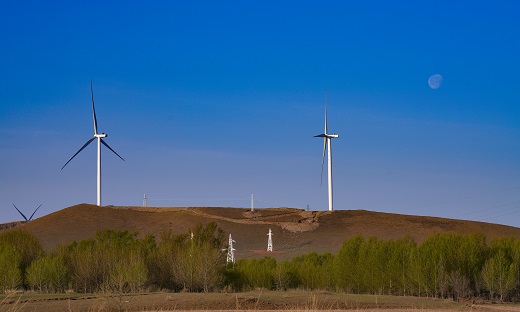
Start with the Red Sea! Wind power retirement market pains
2025.06.25
CCTV Finance × Sany Heavy Industry: Transportation construction continues to heat up! In May, the infrastructure was full of bright spots →
2025.06.17
CCTV Finance × Sany Heavy Industry: Infrastructure results are released! Anhui is soaring, and the equipment of the western port has become a "dark horse"
2025.05.19




0 comments