

Digital intelligence makes production safer and equipment healthier
2023.09.12
Sinopec News Network
Digital transformation is a systematic project
With the booming rise of technologies such as big data, cloud computing, artificial intelligence, and digital twins, major oil companies around the world are actively integrating advanced digital information technology with traditional industries, and continue to promote the multi-level and rapid development of digitalization and intelligence in the oil and gas industry from point to line, from line to surface, and from surface to body.
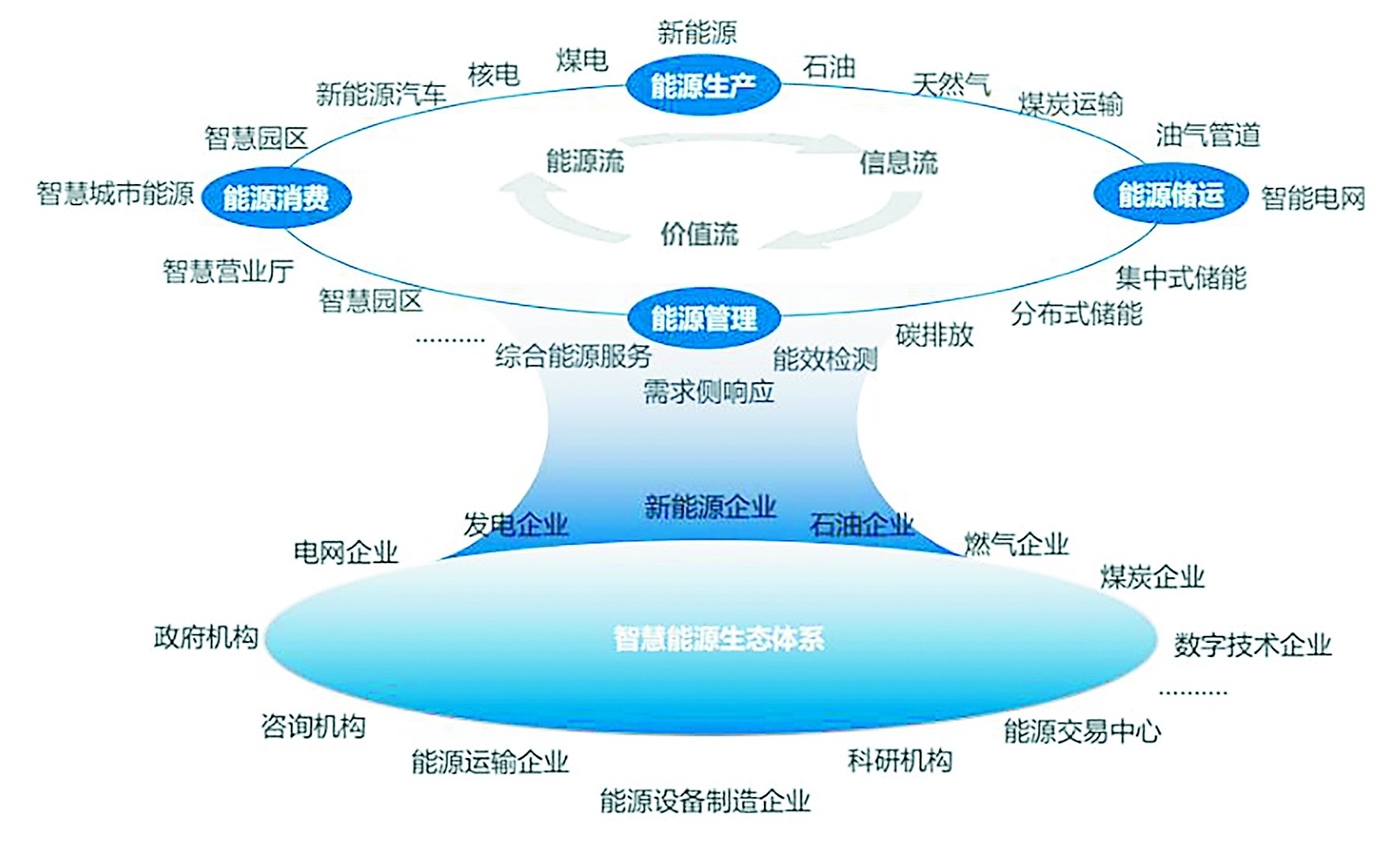
China vigorously promotes the construction of the energy Internet, applies digital technology to integrate and optimize energy production, storage and transportation, consumption and management, improves the efficiency of energy conversion and allocation, and gradually forms a smart energy ecosystem.In the face of challenges such as oil and gas price fluctuations, regional supply and demand imbalances, and the growth of renewable energy, global oil and gas companies are using new technologies such as "Cloud, Big Things, Mobile and Intelligent Chain Twins" to promote digital transformation, explore and build new business models, and enhance their core competitiveness. For example, the rise of ChatGPT has made artificial intelligence technology a new engine for social and economic development, and new technologies will become the key to the development of the industry in the future, and it is also the main driving force for the development of the digital economy.
The report of the 20th National Congress of the Communist Party of China proposed to accelerate the development of the digital economy, promote the deep integration of the digital economy and the real economy, and build a digital industrial cluster with international competitiveness. This has clarified the direction for the digital transformation of enterprises, and will give rise to a number of digital application achievements in the future.Digital transformation is a systematic project, a long-term transformation process that requires continuous building of new capabilities, rather than a one-time task, and should focus on improving efficiency and effectiveness, continuously improving factor productivity and resource allocation efficiency, and improving enterprise operating efficiency. In the process of transformation, the productivity and production relations will change, from adapting to the material economy, economies of scale to the digital economy, the scope of the economy of productivity and production relations, in order to adapt to this change, the need for a comprehensive transformation of all fields of enterprises, to achieve business, organization, technology interactive innovation and collaborative optimization.
Digital transformation should focus on cultivating and expanding digital productivity, and build an organizational and operational mechanism that is compatible with digital productivity from the perspective of industrial chain, supply chain, and value chain, so as to achieve model reengineering. In the process of transformation, the content and scope continue to expand, from local optimization to global optimization and comprehensive transformation. The ultimate goal is to redefine customer value, open up new business areas, and disrupt the way we work.
Over the years, Sinopec, PetroChina, CNOOC, National Pipeline Network and other enterprises and many universities and scientific research institutions have thoroughly implemented the strategy of becoming a network power and a digital China, actively applying a new generation of information technology such as 5G, big data, artificial intelligence, and cloud computing, vigorously building advanced and applicable digital and intelligent platforms, continuously strengthening data governance, and promoting the modernization of management innovation, governance system and governance capabilities driven by data and knowledge. Remarkable achievements have been made in the field of smart finance.
Hu Bingjun, director of the Oil and Gas Digital and Intelligent Professional Committee of the China Petroleum Society, said that the development practice over the years has proved that the digital transformation of petroleum and petrochemical enterprises is a reform and innovation system project, and there are still a series of problems.
The issue of data security has received widespread attention
Feng Dengguo, academician of the Chinese Academy of Sciences, emphasized that data is a basic strategic resource and a key factor of production in the digital era, especially with the deepening of the national big data strategy, data elements are showing a trend of accelerated integration and interconnection, and in this context, data security issues are particularly prominent.The Outline of the 14th Five-Year Plan for National Economic and Social Development of the People's Republic of China and the Long-Range Objectives Through the Year 2035 released in March 2021 emphasizes the need to promote the collaborative transformation of the entire industry chain empowered by data and strengthen the security protection of data resources throughout their life cycle. In October 2022, the State Council's Report on the Development of the Digital Economy pointed out that it is necessary to comprehensively strengthen cyber security and data security protection, and promote the building of a community with a shared future in cyberspace. The Data Security Law and the Personal Information Protection Law were implemented in 2021, and how to balance the development of the digital economy with important data security and personal privacy protection has become a real challenge.
The Data Security Law defines data and data security separately. Data means any record of information, whether electronically or otherwise; Data security refers to the ability to ensure that data is effectively protected and lawfully used by taking necessary measures, as well as having the ability to ensure a continuous state of security. Data has a life cycle, including generation, collection, transmission, exchange, storage, analysis, use, sharing, destruction and many other links, each link faces security threats and needs to be protected by the whole chain.
At present, data security is mainly faced with six major threats: data leakage, data destruction, privacy leakage, data loss of control, data abuse, and data damage and loss. Feng Dengguo pointed out that in recent years, with the continuous development of technology, the threat of data monopoly or hegemony, data extortion and extortion has become more and more serious. Important data is controlled in the hands of a few people and a small number of units, and is unreasonably distributed and used, including super platforms through the network ecosystem created by themselves to attract a large amount of traffic, aggregate massive information, or use advanced technology to form a large amount of data and control it, data monopoly or hegemony will limit the free flow of data resources in the market. Attackers can use technologies and tools such as ransomware to make data owners unusable, offer a ransom to restore the data, or create a copy of the data and then threaten to expose the data for ransom.
The advent of the era of big data has attracted much attention to the "ancient" term "data security". Data security in the era of big data includes not only traditional confidentiality, integrity, and availability, but also privacy and sensitivity, not only to prevent data leakage, but also to protect data from being sensitive. Solving data security problems is inseparable from the support of supporting laws and regulations and strict management methods, but it is more necessary to rely on reliable technical means to support data security technology, including not only the corresponding technologies in all aspects of the digital life cycle, but also the common supporting technologies such as data classification and grading, data security compliance inspection, and data security supervision.
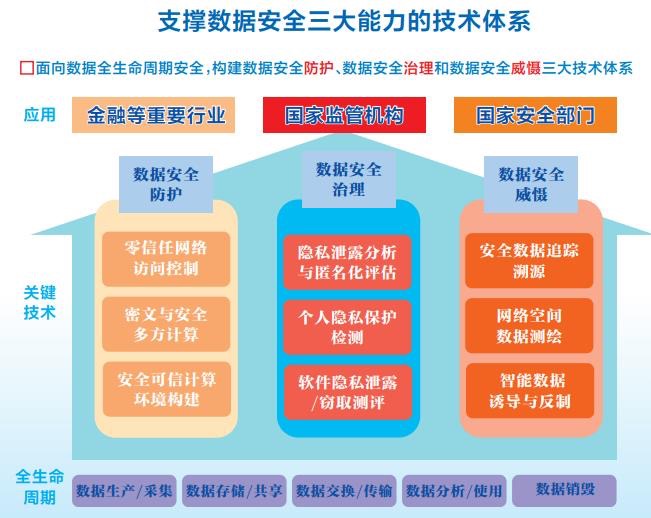
In addition, to support data security throughout the data life cycle, it is necessary to build three major technical systems: data security protection (zero trust network access control, ciphertext and secure multi-party computing, secure and trusted computing environment construction, etc.), data security governance (privacy leakage analysis and anonymization assessment, personal privacy protection monitoring, etc.), and data security deterrence (security data tracking and traceability, cyberspace data mapping and mapping, intelligent data inducement and countermeasures, etc.).
At present, there are three mainstream development directions for data security: data storage security, data transmission security, and data use security. Among them, data security has received great attention, and there have been a number of far-reaching attacks based on memory data, the development of emerging application scenarios such as cloud computing and big data, and the continuous expansion of the number of mobile, Internet of Things and other devices, which urgently need to protect data in use. In 2017, when hackers attacked an oil refinery in Saudi Arabia with a tool called Triton, causing it to shut down urgently, analysts discovered malicious programs that extracted user passwords or other authentication credentials from memory, with the goal of shutting down the normal service functions of industrial system controls and causing physical damage to them. Data use security is the weakest link in current data security, and it is the frontier development direction, which needs to accelerate the process of innovative research and application.Feng Dengguo suggested that it is necessary to establish the concept of independent, controllable, safe and credible protection, continuously deepen the understanding of the connotation of data security, keep up with the development trend of international data security technology, strengthen the research and formulation of data security strategies and laws and regulations, closely combine the industry and application reality, independently control a number of core technologies and products, and promote the development of the data security industry with high quality.
Artificial self-healing technology makes equipment healthier
The United States and Europe have counted petrochemical production accidents, 40% of machine accidents, 40% of human errors, and 20% of process errors. Therefore, how to ensure the safe operation of equipment is a very important issue.Wearable cardiac electronic devices and implantable devices are used for the detection and diagnosis and treatment of heart diseases, which can improve the body's ability to assist in rehabilitation and self-healing. Gao Jinji, an academician of the Chinese Academy of Engineering, believes that the industry should also learn from the principle of "self-conditioning" to study the self-healing control system to achieve the prevention and self-healing of machine failures.
Data is a valuable resource like material and energy, and high-quality data collection of power equipment based on the industrial Internet is the basis for fast and accurate diagnosis and intelligent operation and maintenance. Industrial Internet + artificial intelligence is the most suitable for oil and gas power equipment all over the motherland. To realize the development of green oil and gas industry, intelligent health equipment is the foundation, and the big data analysis of mechanical system operation based on sensor group, Internet, database, data mining and cloud computing technology will provide technical support for the intelligent, self-healing, efficient, safe and reliable operation of oil and gas power equipment.Artificial self-healing system includes self-healing, self-healing regulation, compensation, self-protection, fault prevention system, etc. "Artificial self-healing will make the equipment self-healthy, which can not only be used to develop a new generation of equipment, but also guide the assisted rehabilitation and remanufacturing of in-service equipment." Gao Jinji said.
Automation technology was formed in the late 18th century to the 30s of the 20th century, Watt invented the centrifugal governor, and connected it with the valve of the steam engine to form a closed-loop automatic control system for the speed of the steam engine, this invention created a new era of modern automatic adjustment device application. The self-healing technology of the machine began at the beginning of the 20th century, and since the emergence of the annular balancer in 1916, scientists have developed a variety of online active and passive balancing devices, and other self-healing technologies, such as the self-healing intelligent structure of intelligent materials and friction self-healing technology, have also been developed and applied.
The goal of digital transformation is to build smart factories and healthy factories, and the assisted rehabilitation, independent health, intrinsic safety, and high-risk unmanned required by healthy factories all require the support of artificial self-healing technology, which is also the only way for the development of the petrochemical industry. Therefore, the current industry should actively carry out technical research, through the deep integration of industrial Internet + artificial intelligence and ontology technology (engineering technology, knowledge and experience, fault cases) to form a transformative technology, which can carry out fast and accurate traceability diagnosis and predictive maintenance of faults, promote the deep integration of Internet + oil and gas engineering, and establish a self-healing and intelligent oil and gas field pipeline network.Gao Jinji said that artificial self-healing can realize the independent health of machinery and equipment instead of manual maintenance, and build a safe and healthy intelligent oil and gas field and pipeline network, which will empower a new round of scientific and technological revolution.
A technical system that supports the three major capabilities of data security
As a global leader in high-end energy equipment solutions, Sany Energy will continue to deepen the oil and gas market, continuously promote the innovation of oil and gas development methods, help the domestic oil and gas market reduce costs and increase efficiency, low-carbon and environmental protection, and contribute to the development of China's unconventional oil and gas resources and the green and sustainable development of the oil and gas industry.
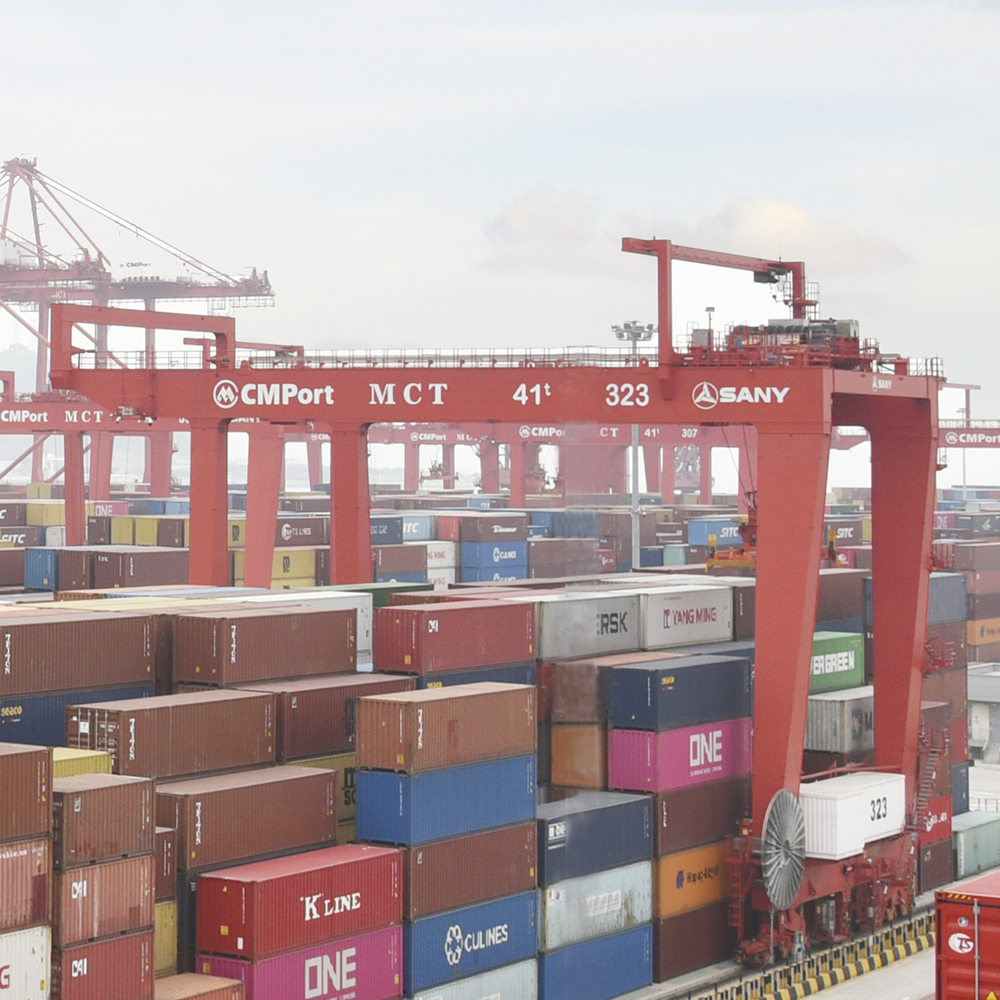
Rail-mounted container gantry crane automation
Rail-mounted container gantry craneRecommended products
automation
Rail-mounted container gantry crane automationRelated testimonials
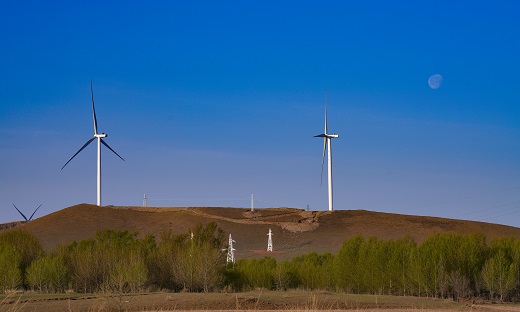
Start with the Red Sea! Wind power retirement market pains
2025.06.25
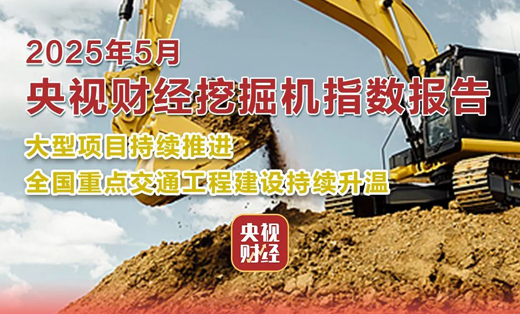
CCTV Finance × Sany Heavy Industry: Transportation construction continues to heat up! In May, the infrastructure was full of bright spots →
2025.06.17
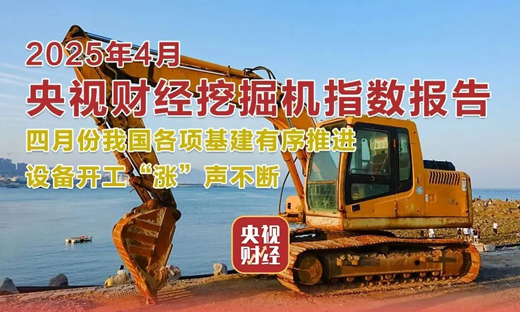
CCTV Finance × Sany Heavy Industry: Infrastructure results are released! Anhui is soaring, and the equipment of the western port has become a "dark horse"
2025.05.19




0 comments