

Can wind power and photovoltaic really prevent and control desertification?
2024.06.13
Wind power world
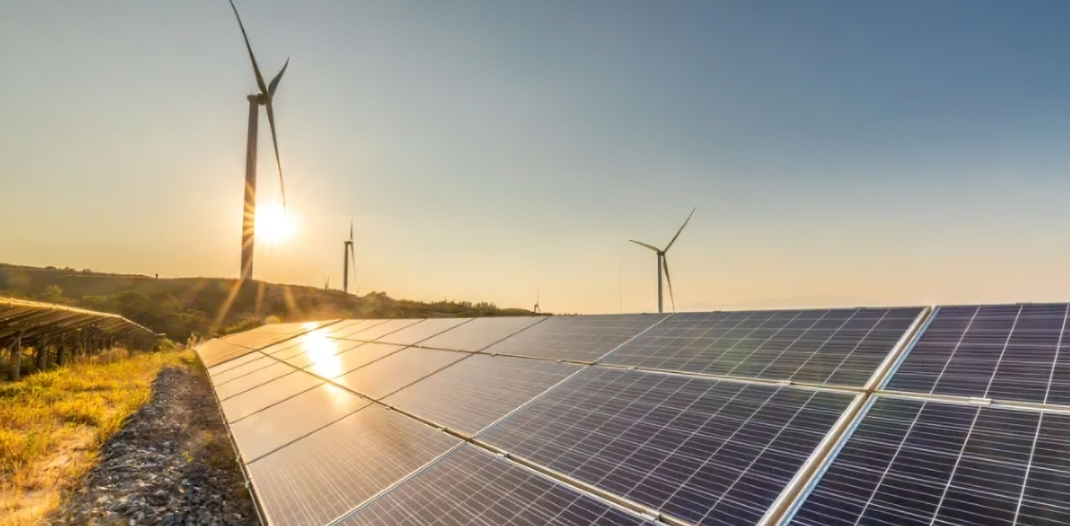
Under the urgent situation of global climate crisis and energy transition, wind power and photovoltaic projects are shouldering a new historical mission, not only to meet the society's demand for clean energy, but also to play a key role in the field of desertification prevention and control. Recently, the integration of wind power and photovoltaic power and desertification prevention and control projects promoted by Inner Mongolia and other places have aroused widespread attention, which makes people ponder: can this new energy model really effectively prevent desertification?
The answer is undoubtedly yes, and the comprehensive benefits it shows go beyond the simple superposition of individual roles, forming an excellent effect of "1+1>2". Inner Mongolia Alxa Right Banner is a vivid example, planning to build 3.77GW of new energy projects in the local area by 2030, and simultaneously carry out 506,000 acres of sand prevention and control work, Huadian (Inner Mongolia), New Vision Group and other enterprises actively involved, which strongly proves the feasibility and charm of this model.
The wisdom of photovoltaic desertification prevention and control lies in scientific planning and ecological protection at the same time. Photovoltaic panels can not only effectively resist wind and sand, reduce soil moisture evaporation, and create a suitable environment for vegetation germination, but also maintain a low ground temperature in the shaded area below, increase soil moisture, promote the flourishing of herbaceous plants and shrubs, and achieve the natural ecological effect of sand fixation and wind protection. The guiding principles at the national level clearly require that ecological protection must be prioritized in PV desertification control, and engineering technology and biological measures must be integrated to ensure that the ecology can be effectively restored while developing green energy.
Wind power projects have also shown unique value in desertification prevention and control. The infrastructure in the construction of wind farms, such as roads and foundations, inadvertently build natural wind barriers, effectively slow down the flow of wind and sand and soil erosion, and open up space for vegetation restoration.Wind power equipmentThe layout, like a guardian of the earth, slows down the direct impact of the wind on the ground and protects the land from wind erosion. Ecological restoration measures for wind power projects, such as vegetation restoration, are directly involved in the practice of desertification prevention and control.
The complementary integration of wind power and photovoltaic power not only ensures the stability of energy supply, but also creates a new paradigm of green development in the field of desertification prevention and control. The synergy between the two has greatly improved energy efficiency, added the power of modern science and technology to traditional desertification control methods, and demonstrated the possibility of harmonious coexistence of economic development and ecological protection. This model not only solves the current environmental challenges, but also provides a model for global ecological governance, indicating that with scientific and technological progress and policy support, similar projects will be widely promoted in desertified regions around the world and contribute to the realization of the global sustainable development goals.
The practice of wind power and photovoltaic integration projects in the field of desertification prevention and control not only provides innovative solutions for the green future of the earth, but also demonstrates that human beings can explore a win-win path for economic development and ecological protection through wisdom and cooperation in the face of natural challenges.
Related testimonials
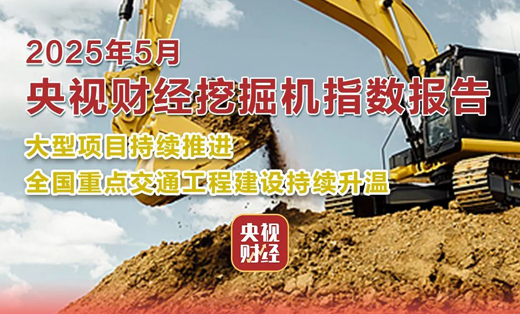
CCTV Finance × Sany Heavy Industry: Transportation construction continues to heat up! In May, the infrastructure was full of bright spots →
2025.06.17
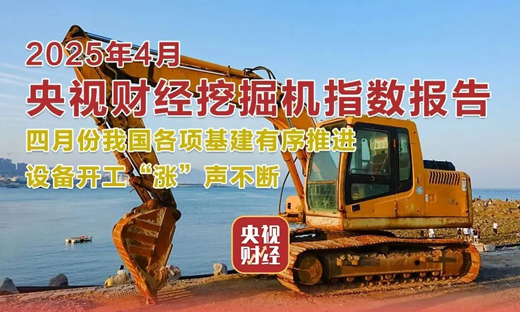
CCTV Finance × Sany Heavy Industry: Infrastructure results are released! Anhui is soaring, and the equipment of the western port has become a "dark horse"
2025.05.19
China's installed wind and solar capacity has historically surpassed that of thermal power
2025.04.28




0 comments