

South Korea will build the world's largest floating wind farm, aiming at the top five in the world for sea breeze
2021.05.06
Wind Energy Committee CWEA WeChat public account
On May 6, 2021, South Korean President Moon Jae-in attended a floating offshore wind strategy report in Ulsan, announcing that South Korea will build the world's largest floating offshore wind farm, calling it the cornerstone of South Korea's clean energy development.
At the meeting, South Korea proposed to invest US$32 billion (about 200 billion yuan) in floating offshore wind power to build a total of 6GW of projects, enough to power 5.8 million households and reduce greenhouse gas emissions by 9 million tons per year. The project will be completed in 2030 and is expected to create 210,000 jobs.
This also means that one project alone can complete half of South Korea's target of 12GW of offshore wind capacity by 2030 in the "Green New Deal" announced in July 2020, fully demonstrating South Korea's green and low-carbon ambitions.
Moon Jae-in said at the conference: "Offshore wind power is like a carbon-free oil resource in the 21st century. Last October, South Korea, along with three East Asian countries, including China and Japan, pledged to reduce greenhouse gas emissions and achieve carbon neutrality by 2050. As the fourth largest economy in Asia,Moon said South Korea will develop into one of the world's top five offshore wind power countries in the next decade.
In February, South Korea announced plans to build a US$43 billion offshore wind farm with an installed capacity of 8.2GW near the southwestern city of Sinan, which would make it the largest offshore wind farm in the world. Just three months later, South Korea proposed to build the world's largest floating offshore wind farm.
July 2019On 14 July, South Korea unveiled its Green New Deal, reaffirming its ambition to develop renewables to account for at least 20% of all electricity by 2030, including a 12GW offshore wind plan. The release of two large-scale offshore wind projects in 2021 is further evidence that the South Korean government is serious about achieving its goal of carbon neutrality by 2050. As part of the Green New Deal, South Korea has also pledged to phase out coal-fired power plants.
Separately, at US President Joe Biden's leaders' climate summit last month, Moon Jae-in also announced the end of all financing and financing of overseas coal projects.
Despite its commitment to carbon neutrality, South Korea remains extremely dependent on coal and natural gas.Coal is the main source of electricity generation in South Korea, accounting for more than 40% of South Korea's electricity generation. Renewables accounted for only 5% of electricity in 2019, with wind and solar contributing less than 3%. Current carbon emissions are 2.5 times higher than in 1990.
South Korea plans to shut down 30 coal-fired power plants by 2034, 24 of which will be turned into natural gas power plants. It is planned to increase renewable energy generation capacity to 42% of total power generation capacity by 2034.
Ulsan offshore wind farm is located in a deep water area and has good wind resources.Contribute to the "fast" achievement of South Korea's green energy goals.
"Ulsan will leap from being an industrial capital in the fossil fuel era to a leading city in the clean energy era," Moon said. "The floating offshore wind farm in Ulsan is like the offshore oil field of the future, which will open up South Korea's future as an energy powerhouse."
In June 2020, Macquarie's Green Investment Group (GIG) began preparing to develop a 1.5 GW floating offshore wind project in Ulsan. And a wind radar LiDAR system was placed for testing offshore wind resources.
On 1 September 2020, global oil and gas giant Total entered into a 50/50 partnership with GIG to jointly develop five large-scale floating offshore wind projects with a combined capacity of 2.3GW.
The five projects are located in the eastern and southern coastal regions of South Korea (Ulsan and Jeollanam-do provinces), with three projects totaling 1.5 GW in Ulsan and two projects totaling 800 MW in Jeollanam-do. The parties aim to start construction of the first project of around 500MW by the end of 2023.
Related testimonials
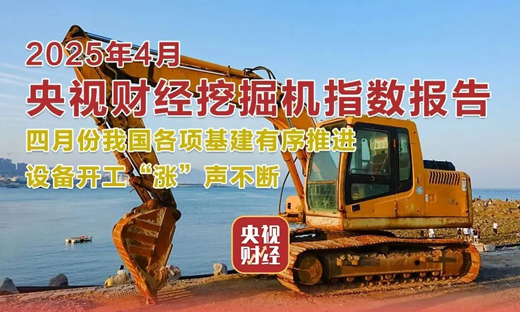
CCTV Finance × Sany Heavy Industry: Infrastructure results are released! Anhui is soaring, and the equipment of the western port has become a "dark horse"
2025.05.19
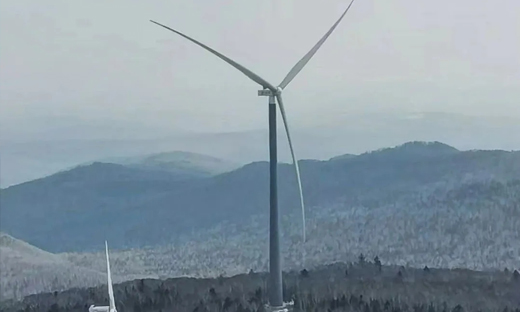
China's installed wind and solar capacity has historically surpassed that of thermal power
2025.04.28
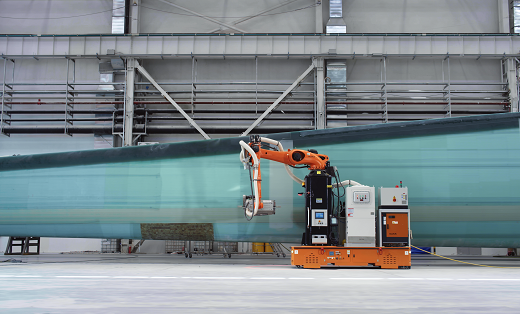
Breakthroughs have been made in the challenges of customization and high precision, and new progress has been made in the intelligent production of high-end equipment
2025.03.24




0 comments