
Earth-moving machineryConcrete machinerycraneRoad machineryPiling machineryCoal machineryPort machineryWind power equipmentSany heavy truckTrinity ConstructionPetroleum equipmentTrinity EnvironmentEnvironmental engineeringEmergency rescue equipmentMining dump truckstip truckAerial work machineryLithium battery equipmentWarehousing and logisticsPhotovoltaic productsHydrogen equipmentCrushing equipment
Micro-diggingSmall diggingMedium diggingBig diggingWheeled excavatorsLoaderDiversify your productsAttachments
Pump trucksMixer trucksConcrete batching plantOn-board pumpsElectric vehicle on-board pumpsTow pumpMortar pumpsWet sprayerFilling pumpsNew energy mixer truckDry mix mortar mixing plantMortar/concrete dual-purpose batching plant
Truck cranesAll-terrain cranesTruss boom crawler craneTelescopic crawler craneMultifunctional crawler craneFlat-top tower craneTruck-mounted cranes
Reach stackerContainer empty container handlersforkliftGrab steel (material) machinePure electric port tractorTelehandlersShore-to-shore container cranesRail-mounted container gantry craneRubber-tyred container gantry craneGantry crane
3.X Medium and low wind speed wind turbines4.X Medium and high wind speed / all-weather / customized product platform5.X-6. X MW customized product platform
Smart PC equipmentIntelligent AAC equipmentIntelligent steel processing equipmentMobile crushing and screening equipmentMould fixturesCategory 2 standards3 soft 1 platform
Mechanical fracturingElectric fracturingOil-connected equipmentWellhead automationOilfield machineryFracturing pumps
Pure electric road cleaning vehiclePure electric solid waste collection and transfer vehicleMunicipal maintenance vehicles
Compressed air foam fire truckdroneSpecial-duty fire trucksCombat logistics support fire trucksRaise jet fire trucksAscending platform fire truck
High-speed homogenization systemDouble-layer extrusion coaterRoller pressing and slitting machineZ-type cutting and stacking machineWinding machinePrimary and secondary injection machinesCompound capacity needle bedModule PACK line

Earth-moving machineryConcrete machinerycraneRoad machineryPiling machineryCoal machineryPort machineryWind power equipmentSany heavy truckTrinity ConstructionPetroleum equipmentTrinity EnvironmentEnvironmental engineeringEmergency rescue equipmentMining dump truckstip truckAerial work machineryLithium battery equipmentWarehousing and logisticsPhotovoltaic productsHydrogen equipmentCrushing equipment
Micro-diggingSmall diggingMedium diggingBig diggingWheeled excavatorsLoaderDiversify your productsAttachments
Pump trucksMixer trucksConcrete batching plantOn-board pumpsElectric vehicle on-board pumpsTow pumpMortar pumpsWet sprayerFilling pumpsNew energy mixer truckDry mix mortar mixing plantMortar/concrete dual-purpose batching plant
Truck cranesAll-terrain cranesTruss boom crawler craneTelescopic crawler craneMultifunctional crawler craneFlat-top tower craneTruck-mounted cranes
Reach stackerContainer empty container handlersforkliftGrab steel (material) machinePure electric port tractorTelehandlersShore-to-shore container cranesRail-mounted container gantry craneRubber-tyred container gantry craneGantry crane
3.X Medium and low wind speed wind turbines4.X Medium and high wind speed / all-weather / customized product platform5.X-6. X MW customized product platform
Smart PC equipmentIntelligent AAC equipmentIntelligent steel processing equipmentMobile crushing and screening equipmentMould fixturesCategory 2 standards3 soft 1 platform
Mechanical fracturingElectric fracturingOil-connected equipmentWellhead automationOilfield machineryFracturing pumps
Pure electric road cleaning vehiclePure electric solid waste collection and transfer vehicleMunicipal maintenance vehicles
Compressed air foam fire truckdroneSpecial-duty fire trucksCombat logistics support fire trucksRaise jet fire trucksAscending platform fire truck
High-speed homogenization systemDouble-layer extrusion coaterRoller pressing and slitting machineZ-type cutting and stacking machineWinding machinePrimary and secondary injection machinesCompound capacity needle bedModule PACK line
Sany Heavy Industry Sany Heavy Industry Co., Ltd. (SH:600031)
Trinity International Sany International (HK:00631)
Sany Renewable Energy Sany Renewable Energy (SH:688349)
Home > Industry information > How will the quarrel between the UAE and Saudi Arabia affect international oil prices?
How will the quarrel between the UAE and Saudi Arabia affect international oil prices?
2021.07.10
Beijing News
The contradictions between the UAE and Saudi Arabia are spreading to important areas such as energy policy.
According to reports, following the unexpected failure to reach an agreement in the production increase negotiations, on July 5, local time, the 18th ministerial meeting between OPEC and non-OPEC partners (OPEC+), which was scheduled to be reconvened on the same day, was suddenly canceled, and the new date is to be determined. Behind this is a "rare" disagreement between Saudi Arabia, OPEC's largest oil producer, and its close ally and "follower" the United Arab Emirates on whether to cut production.
After the talks collapsed, the two sides also "exchanged harsh words". Saudi Energy Minister Prince Abdulaziz said angrily that he had attended the OPEC meeting for 34 years and had not seen such a request as the UAE. For his part, UAE Energy Minister Mazroui said that the current OPEC+ agreement is "unrealistic" and "completely unfair", and that "we are a rational oil producer, we have sacrificed a lot and are willing to cooperate with other oil producers".
As soon as the news came out, international oil prices continued to soar, hitting a six-year high, moving towards $80 per barrel.
After the ups and downs of 2020, international oil prices have continued to rise since 2021. In this context, on July 1, the ministerial meeting of the "OPEC+" alliance held in Vienna, the capital of Austria, will take measures to stabilize oil prices, which is of great concern.
Previously, Saudi Arabia and Russia, which are core leaders of the "OPEC+" alliance, both wanted to extend the existing production limit agreement until December 2022 and moderately increase production during the year in response to the rising trend in oil prices. However, the United Arab Emirates, a Gulf oil producer that has followed Saudi Arabia's footsteps in the past, has raised objections, agreeing only to continue the current production curtailment agreement until April 2022 and demanding a significant increase in its production reduction base. Saudi Arabia and Russia have refused, fearing that more countries will follow suit. As a result, the meeting broke up unhappily and led to a new crisis in the alliance since the Saudi-Russian price war in March 2020.
Fundamentally, the UAE's move is a desire to gain a greater voice and influence. As a Gulf oil producer and a core member of OPEC, the UAE has always cut production in excess of Saudi Arabia and made a significant contribution to stabilizing international oil prices, so its energy policy is not independent and visible.
However, in recent years, the UAE has been active in regional affairs, its international influence has risen, and its differences with Saudi Arabia have grown, and it is no longer willing to follow suit as a silent "little brother". Naturally, this caused strong dissatisfaction from Saudi Arabia. The openness of the differences also shows that the contradictions between the two sides are spreading to important areas such as energy policy, and may even bring about a new crisis of division within the GCC.
It should be noted that although the Gulf oil producers and the "OPEC+" alliance play a key role in the international energy market, the factors that determine the trend of international oil prices are more complex, and they also depend on the supply and demand situation of the international energy market, especially the global epidemic situation and the economic recovery of major economies. The United States has expressed concern about this and hopes that an agreement will be negotiated between oil-producing countries.
In the long run, in the face of declining influence, the group of oil producers still needs to rely on the existing "OPEC+" mechanism to maintain cooperation in order to cope with the growing uncertainty and challenges of the global market.
0 comments
Related testimonials
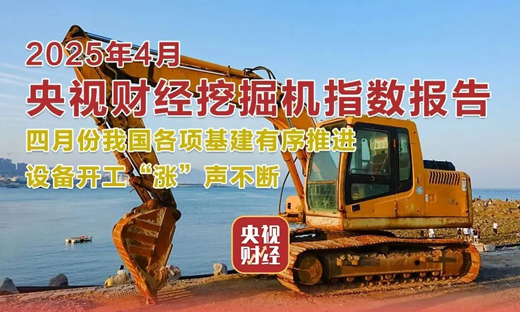
CCTV Finance × Sany Heavy Industry: Infrastructure results are released! Anhui is soaring, and the equipment of the western port has become a "dark horse"
2025.05.19
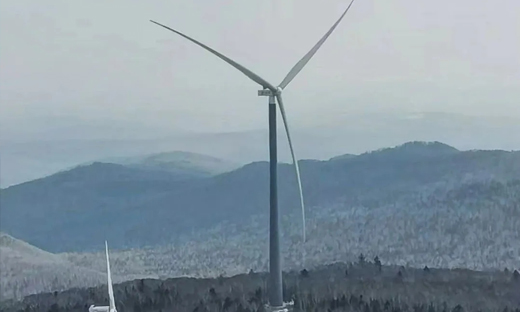
China's installed wind and solar capacity has historically surpassed that of thermal power
2025.04.28
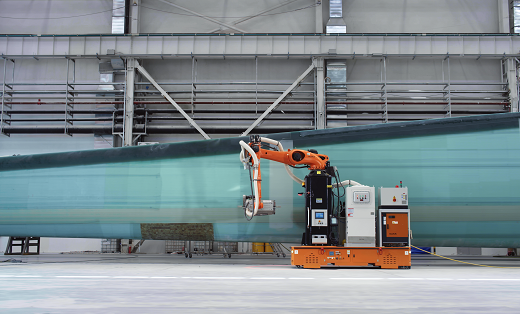
Breakthroughs have been made in the challenges of customization and high precision, and new progress has been made in the intelligent production of high-end equipment
2025.03.24




0 comments