
Earth-moving machineryConcrete machinerycraneRoad machineryPiling machineryCoal machineryPort machineryWind power equipmentSany heavy truckTrinity ConstructionPetroleum equipmentTrinity EnvironmentEnvironmental engineeringEmergency rescue equipmentMining dump truckstip truckAerial work machineryLithium battery equipmentWarehousing and logisticsPhotovoltaic productsHydrogen equipmentCrushing equipment
Micro-diggingSmall diggingMedium diggingBig diggingWheeled excavatorsLoaderDiversify your productsAttachments
Pump trucksMixer trucksConcrete batching plantOn-board pumpsElectric vehicle on-board pumpsTow pumpMortar pumpsWet sprayerFilling pumpsNew energy mixer truckDry mix mortar mixing plantMortar/concrete dual-purpose batching plant
Truck cranesAll-terrain cranesTruss boom crawler craneTelescopic crawler craneMultifunctional crawler craneFlat-top tower craneTruck-mounted cranes
Reach stackerContainer empty container handlersforkliftGrab steel (material) machinePure electric port tractorTelehandlersShore-to-shore container cranesRail-mounted container gantry craneRubber-tyred container gantry craneGantry crane
3.X Medium and low wind speed wind turbines4.X Medium and high wind speed / all-weather / customized product platform5.X-6. X MW customized product platform
Smart PC equipmentIntelligent AAC equipmentIntelligent steel processing equipmentMobile crushing and screening equipmentMould fixturesCategory 2 standards3 soft 1 platform
Mechanical fracturingElectric fracturingOil-connected equipmentWellhead automationOilfield machineryFracturing pumps
Pure electric road cleaning vehiclePure electric solid waste collection and transfer vehicleMunicipal maintenance vehicles
Compressed air foam fire truckdroneSpecial-duty fire trucksCombat logistics support fire trucksRaise jet fire trucksAscending platform fire truck
High-speed homogenization systemDouble-layer extrusion coaterRoller pressing and slitting machineZ-type cutting and stacking machineWinding machinePrimary and secondary injection machinesCompound capacity needle bedModule PACK line

Earth-moving machineryConcrete machinerycraneRoad machineryPiling machineryCoal machineryPort machineryWind power equipmentSany heavy truckTrinity ConstructionPetroleum equipmentTrinity EnvironmentEnvironmental engineeringEmergency rescue equipmentMining dump truckstip truckAerial work machineryLithium battery equipmentWarehousing and logisticsPhotovoltaic productsHydrogen equipmentCrushing equipment
Micro-diggingSmall diggingMedium diggingBig diggingWheeled excavatorsLoaderDiversify your productsAttachments
Pump trucksMixer trucksConcrete batching plantOn-board pumpsElectric vehicle on-board pumpsTow pumpMortar pumpsWet sprayerFilling pumpsNew energy mixer truckDry mix mortar mixing plantMortar/concrete dual-purpose batching plant
Truck cranesAll-terrain cranesTruss boom crawler craneTelescopic crawler craneMultifunctional crawler craneFlat-top tower craneTruck-mounted cranes
Reach stackerContainer empty container handlersforkliftGrab steel (material) machinePure electric port tractorTelehandlersShore-to-shore container cranesRail-mounted container gantry craneRubber-tyred container gantry craneGantry crane
3.X Medium and low wind speed wind turbines4.X Medium and high wind speed / all-weather / customized product platform5.X-6. X MW customized product platform
Smart PC equipmentIntelligent AAC equipmentIntelligent steel processing equipmentMobile crushing and screening equipmentMould fixturesCategory 2 standards3 soft 1 platform
Mechanical fracturingElectric fracturingOil-connected equipmentWellhead automationOilfield machineryFracturing pumps
Pure electric road cleaning vehiclePure electric solid waste collection and transfer vehicleMunicipal maintenance vehicles
Compressed air foam fire truckdroneSpecial-duty fire trucksCombat logistics support fire trucksRaise jet fire trucksAscending platform fire truck
High-speed homogenization systemDouble-layer extrusion coaterRoller pressing and slitting machineZ-type cutting and stacking machineWinding machinePrimary and secondary injection machinesCompound capacity needle bedModule PACK line
Sany Heavy Industry Sany Heavy Industry Co., Ltd. (SH:600031)
Trinity International Sany International (HK:00631)
Sany Renewable Energy Sany Renewable Energy (SH:688349)
Home > Industry information > Promote carbon peak and carbon neutrality with six systematic measures
Promote carbon peak and carbon neutrality with six systematic measures
2021.08.27
Optimize the spatial layout of the transportation industry, scientifically plan the comprehensive three-dimensional transportation system, optimize the layout of the comprehensive transportation hub project, adjust and optimize the collection and distribution system, support the development of airport, port and high-speed rail economic zones, and promote energy conservation and emission reduction in the transportation industry and the region from the spatial layout. Adjustments and optimizationsWarehousing and logisticsThe layout of the park, the rational layout of business outlets, and the promotion of warehousing and logistics parks and logistics enterprises to reduce costs and energy consumption.
Vigorously promote energy conservation and carbon reduction in key industries and enterprises
Vigorously support green and low-carbon technology innovation. Intensify the innovation of green and low-carbon technologies, reduce the cost of green and low-carbon development, improve the technical feasibility and economic rationality of energy-saving and emission reduction projects or engineering measures in key industries such as high energy consumption and high emissions, and improve the efficiency and effectiveness of energy conservation and emission reduction. Vigorously promote the research and development and innovation of process technology and equipment for new and renewable energy sources such as solar photovoltaic power generation, biomass energy, tidal energy, wind energy, etc., improve the technical level of new and renewable energy projects, enhance safety and stability, and further improve economy, especially the competitiveness of coal power.
Promote innovation in investment and financing models. Promote the innovation of investment and financing models in the field of ecological and environmental protection, and actively and prudently introduce the public-private partnership (PPP) model in the fields of ecological and environmental governance, ecological forest construction, clean energy development, energy-saving renovation of public buildings, and sewage reuse; Encourage innovative business models, improve price/charging mechanisms, improve return on investment mechanisms, and support and guide social capital to independently invest in ecological construction and environmental governance projects; Actively introduce the development (EOD) model oriented by ecological environmental governance, fully tap the value of ecological products, promote ecological industrialization, improve the industrial feedback mechanism, and form a benign interaction between industrial development and ecological environmental governance. Actively explore the innovation of energy conservation and carbon reduction business models in key industries such as high energy consumption and high emissions, vigorously promote service models such as contract energy management and third-party governance of energy conservation and carbon reduction, and mobilize the enthusiasm of relevant entities, especially high energy consumption and high emission enterprises or project units, to implement energy conservation and carbon reduction projects. Actively revitalize existing assets, encourage and support eligible existing green and low-carbon projects to issue public real estate investment trusts (REITs), and the recovered funds are mainly invested in green and low-carbon projects as required.
Promote the innovative development of carbon finance. Actively expand the sources and forms of carbon emission rights such as urban public bicycles, public transportation, and agriculture, further improve the construction of carbon emission trading markets, promote the realization of the market value of carbon emission rights, and mobilize the enthusiasm of relevant entities to participate。 Support the development of green credit and green bonds, adjust and improve banks' green credit policies and green bond issuance supervision policies, and innovate and develop green asset securitization and green asset-backed notes and other products, so as to better promote green and low-carbon development. Encourage local governments, relevant enterprises and financial institutions to jointly set up industrial investment funds in the field of green and low-carbon, and operate in accordance with the market, and local governments can appropriately make profits. Actively and prudently relax the investment channels of long-term institutional funds such as insurance and social security, innovate green insurance products, and support and guide long-term institutional funds such as insurance and social security to invest in green and low-carbon fields.
Related testimonials
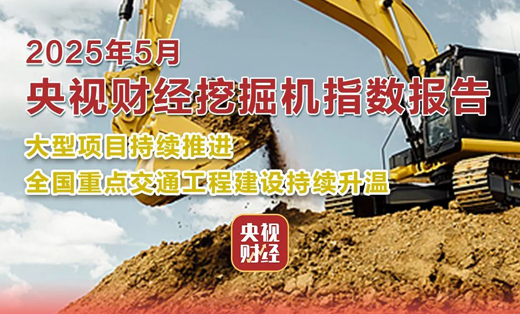
CCTV Finance × Sany Heavy Industry: Transportation construction continues to heat up! In May, the infrastructure was full of bright spots →
2025.06.17
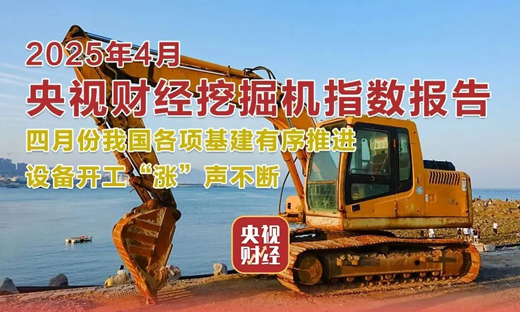
CCTV Finance × Sany Heavy Industry: Infrastructure results are released! Anhui is soaring, and the equipment of the western port has become a "dark horse"
2025.05.19
China's installed wind and solar capacity has historically surpassed that of thermal power
2025.04.28




0 comments