
Earth-moving machineryConcrete machinerycraneRoad machineryPiling machineryCoal machineryPort machineryWind power equipmentSany heavy truckTrinity ConstructionPetroleum equipmentTrinity EnvironmentEnvironmental engineeringEmergency rescue equipmentMining dump truckstip truckAerial work machineryLithium battery equipmentWarehousing and logisticsPhotovoltaic productsHydrogen equipmentCrushing equipment
Micro-diggingSmall diggingMedium diggingBig diggingWheeled excavatorsLoaderDiversify your productsAttachments
Pump trucksMixer trucksConcrete batching plantOn-board pumpsElectric vehicle on-board pumpsTow pumpMortar pumpsWet sprayerFilling pumpsNew energy mixer truckDry mix mortar mixing plantMortar/concrete dual-purpose batching plant
Truck cranesAll-terrain cranesTruss boom crawler craneTelescopic crawler craneMultifunctional crawler craneFlat-top tower craneTruck-mounted cranes
Reach stackerContainer empty container handlersforkliftGrab steel (material) machinePure electric port tractorTelehandlersShore-to-shore container cranesRail-mounted container gantry craneRubber-tyred container gantry craneGantry crane
3.X Medium and low wind speed wind turbines4.X Medium and high wind speed / all-weather / customized product platform5.X-6. X MW customized product platform
Smart PC equipmentIntelligent AAC equipmentIntelligent steel processing equipmentMobile crushing and screening equipmentMould fixturesCategory 2 standards3 soft 1 platform
Mechanical fracturingElectric fracturingOil-connected equipmentWellhead automationOilfield machineryFracturing pumps
Pure electric road cleaning vehiclePure electric solid waste collection and transfer vehicleMunicipal maintenance vehicles
Compressed air foam fire truckdroneSpecial-duty fire trucksCombat logistics support fire trucksRaise jet fire trucksAscending platform fire truck
High-speed homogenization systemDouble-layer extrusion coaterRoller pressing and slitting machineZ-type cutting and stacking machineWinding machinePrimary and secondary injection machinesCompound capacity needle bedModule PACK line

Earth-moving machineryConcrete machinerycraneRoad machineryPiling machineryCoal machineryPort machineryWind power equipmentSany heavy truckTrinity ConstructionPetroleum equipmentTrinity EnvironmentEnvironmental engineeringEmergency rescue equipmentMining dump truckstip truckAerial work machineryLithium battery equipmentWarehousing and logisticsPhotovoltaic productsHydrogen equipmentCrushing equipment
Micro-diggingSmall diggingMedium diggingBig diggingWheeled excavatorsLoaderDiversify your productsAttachments
Pump trucksMixer trucksConcrete batching plantOn-board pumpsElectric vehicle on-board pumpsTow pumpMortar pumpsWet sprayerFilling pumpsNew energy mixer truckDry mix mortar mixing plantMortar/concrete dual-purpose batching plant
Truck cranesAll-terrain cranesTruss boom crawler craneTelescopic crawler craneMultifunctional crawler craneFlat-top tower craneTruck-mounted cranes
Reach stackerContainer empty container handlersforkliftGrab steel (material) machinePure electric port tractorTelehandlersShore-to-shore container cranesRail-mounted container gantry craneRubber-tyred container gantry craneGantry crane
3.X Medium and low wind speed wind turbines4.X Medium and high wind speed / all-weather / customized product platform5.X-6. X MW customized product platform
Smart PC equipmentIntelligent AAC equipmentIntelligent steel processing equipmentMobile crushing and screening equipmentMould fixturesCategory 2 standards3 soft 1 platform
Mechanical fracturingElectric fracturingOil-connected equipmentWellhead automationOilfield machineryFracturing pumps
Pure electric road cleaning vehiclePure electric solid waste collection and transfer vehicleMunicipal maintenance vehicles
Compressed air foam fire truckdroneSpecial-duty fire trucksCombat logistics support fire trucksRaise jet fire trucksAscending platform fire truck
High-speed homogenization systemDouble-layer extrusion coaterRoller pressing and slitting machineZ-type cutting and stacking machineWinding machinePrimary and secondary injection machinesCompound capacity needle bedModule PACK line
Sany Heavy Industry Sany Heavy Industry Co., Ltd. (SH:600031)
Trinity International Sany International (HK:00631)
Sany Renewable Energy Sany Renewable Energy (SH:688349)
Will the layout of new energy affect the profit of oil companies?
2021.09.10
Carbonhopper Lab
In the current situation, will the attitude towards low-carbon transition affect the operation of oil companies?
Recently, major oil companies have announced their operating results for the first half of the year. Affected by the rise in oil prices in the first half of the year, most oil companies performed well.
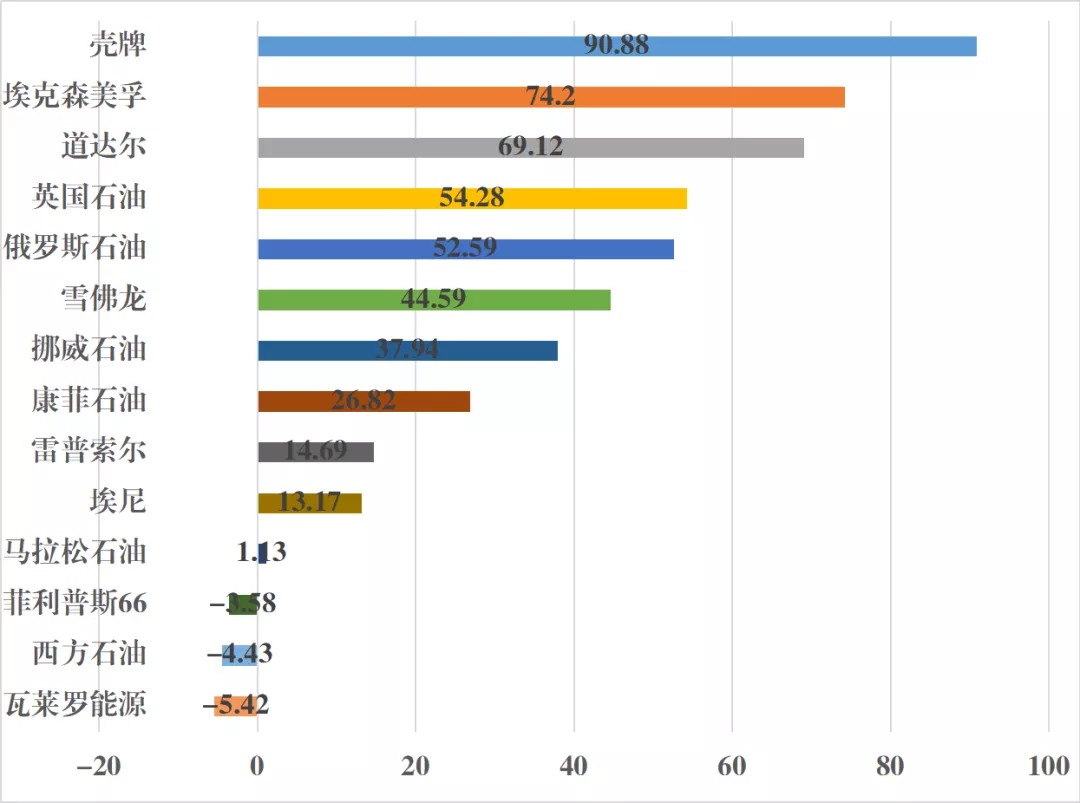
According to the published operating data, European oil companies such as Shell, Total, and British Petroleum (BP) rank high, while American oil companies such as Chevron, ConocoPhillips, Occidental Petroleum, Phillips 66, and Marathon Petroleum rank relatively low. This difference appears to be related to the attitudes of different oil companies towards the low-carbon transition.
Recently, if you click on the official websites of major European oil majors, you will find that they have used eye-catching fonts to send a positive signal to visitors about the low-carbon transition, and elaborated on their transition strategies.
In the face of transformation, PetroChina has chosen a "two-legged" strategy.
Based on the correct strategic positioning and the strategic layout of "one step ahead", the domestic "three barrels of oil" have achieved excellent results in the first half of this year, with a total net profit of 125.5 billion, the best level in the same period in the past seven years.
In the traditional oil and gas field, the main strategic measure is to "stabilize oil and increase gas"
PetroChina announced that it will increase the proportion of natural gas production to about 55% by 2025; Sinopec said that it will make clean energy production account for more than 50% in 6 years, and it is expected that by 2023, the annual production capacity of natural gas will reach more than 40 billion cubic meters; CNOOC Limited aims to increase the proportion of clean and low-carbon energy to more than 60% by 2025, which mainly includes domestic natural gas, imported liquefied natural gas (LNG) and supporting new energy.
Develop low-carbon technologies to reduce carbon emissions in oil and gas production
For example, CNOOC proposed "green oilfields"; PetroChina and Sinopec have also increased investment in green production. In addition, forestry carbon sequestration and CCUS (carbon capture and storage) technology are also favored by the "three barrels of oil". Among them, PetroChina and Sinopec mainly focus on carbon neutral forests, while CNOOC mainly develops carbon sequestration technology.
In terms of new energy, we will actively develop the layout
Sinopec anchored the construction of "China's largest hydrogen energy company", announced the construction of 1,000 hydrogen refueling stations during the "14th Five-Year Plan" period, and later said that it planned to build a national hydrogen refueling company by 2025Swap stations5,000 units, giving full play to its advantages in more than 30,000 gas stations in China, transforming from traditional oil sales to a comprehensive energy service provider of "oil, gas, hydrogen and electricity".
PetroChina also announced this year that it will upgrade its new energy business to the largest business segment, alongside the oil and gas business. Wind energy, hydrogen energy, photovoltaics, geothermal, bioenergy, and new materials will be the development direction of PetroChina in the field of new energy.
Combined with its own advantages, CNOOC Limited has turned its attention to the offshore wind energy business, focusing on the development of offshore wind energy business, and the results have gradually been demonstrated. In addition, CNOOC Limited has also established a corresponding carbon neutrality research institute and a clean energy company, and signed China's first carbon neutrality service trust to fully help China achieve the "dual carbon" goal as soon as possible.
It is not so much a low-carbon transition as a new energy revolution.
Due to its own characteristics, compared with traditional oil and gas energy, the strategic location of new energy has higher objectivity and fairness, and the development of new energy mainly relies on technology rather than geographical resources, so the earlier it enters the game in this energy revolution, the greater the technological advantage in future development.
Oil and gas are still the main consumers of energy today, and natural gas is the preferred transition energy in the process of energy reform.
The energy transition is a long-term project, and only through the joint action of various means can we achieve better, faster and safer low-carbon development.
Recommended products
Related testimonials
CCTV Finance × Sany Heavy Industry: Transportation construction continues to heat up! In May, the infrastructure was full of bright spots →
2025.06.17
CCTV Finance × Sany Heavy Industry: Infrastructure results are released! Anhui is soaring, and the equipment of the western port has become a "dark horse"
2025.05.19
China's installed wind and solar capacity has historically surpassed that of thermal power
2025.04.28




0 comments