
Earth-moving machineryConcrete machinerycraneRoad machineryPiling machineryCoal machineryPort machineryWind power equipmentSany heavy truckTrinity ConstructionPetroleum equipmentTrinity EnvironmentEnvironmental engineeringEmergency rescue equipmentMining dump truckstip truckAerial work machineryLithium battery equipmentWarehousing and logisticsPhotovoltaic productsHydrogen equipmentCrushing equipment
Micro-diggingSmall diggingMedium diggingBig diggingWheeled excavatorsLoaderDiversify your productsAttachments
Pump trucksMixer trucksConcrete batching plantOn-board pumpsElectric vehicle on-board pumpsTow pumpMortar pumpsWet sprayerFilling pumpsNew energy mixer truckDry mix mortar mixing plantMortar/concrete dual-purpose batching plant
Truck cranesAll-terrain cranesTruss boom crawler craneTelescopic crawler craneMultifunctional crawler craneFlat-top tower craneTruck-mounted cranes
Reach stackerContainer empty container handlersforkliftGrab steel (material) machinePure electric port tractorTelehandlersShore-to-shore container cranesRail-mounted container gantry craneRubber-tyred container gantry craneGantry crane
3.X Medium and low wind speed wind turbines4.X Medium and high wind speed / all-weather / customized product platform5.X-6. X MW customized product platform
Smart PC equipmentIntelligent AAC equipmentIntelligent steel processing equipmentMobile crushing and screening equipmentMould fixturesCategory 2 standards3 soft 1 platform
Mechanical fracturingElectric fracturingOil-connected equipmentWellhead automationOilfield machineryFracturing pumps
Pure electric road cleaning vehiclePure electric solid waste collection and transfer vehicleMunicipal maintenance vehicles
Compressed air foam fire truckdroneSpecial-duty fire trucksCombat logistics support fire trucksRaise jet fire trucksAscending platform fire truck
High-speed homogenization systemDouble-layer extrusion coaterRoller pressing and slitting machineZ-type cutting and stacking machineWinding machinePrimary and secondary injection machinesCompound capacity needle bedModule PACK line

Earth-moving machineryConcrete machinerycraneRoad machineryPiling machineryCoal machineryPort machineryWind power equipmentSany heavy truckTrinity ConstructionPetroleum equipmentTrinity EnvironmentEnvironmental engineeringEmergency rescue equipmentMining dump truckstip truckAerial work machineryLithium battery equipmentWarehousing and logisticsPhotovoltaic productsHydrogen equipmentCrushing equipment
Micro-diggingSmall diggingMedium diggingBig diggingWheeled excavatorsLoaderDiversify your productsAttachments
Pump trucksMixer trucksConcrete batching plantOn-board pumpsElectric vehicle on-board pumpsTow pumpMortar pumpsWet sprayerFilling pumpsNew energy mixer truckDry mix mortar mixing plantMortar/concrete dual-purpose batching plant
Truck cranesAll-terrain cranesTruss boom crawler craneTelescopic crawler craneMultifunctional crawler craneFlat-top tower craneTruck-mounted cranes
Reach stackerContainer empty container handlersforkliftGrab steel (material) machinePure electric port tractorTelehandlersShore-to-shore container cranesRail-mounted container gantry craneRubber-tyred container gantry craneGantry crane
3.X Medium and low wind speed wind turbines4.X Medium and high wind speed / all-weather / customized product platform5.X-6. X MW customized product platform
Smart PC equipmentIntelligent AAC equipmentIntelligent steel processing equipmentMobile crushing and screening equipmentMould fixturesCategory 2 standards3 soft 1 platform
Mechanical fracturingElectric fracturingOil-connected equipmentWellhead automationOilfield machineryFracturing pumps
Pure electric road cleaning vehiclePure electric solid waste collection and transfer vehicleMunicipal maintenance vehicles
Compressed air foam fire truckdroneSpecial-duty fire trucksCombat logistics support fire trucksRaise jet fire trucksAscending platform fire truck
High-speed homogenization systemDouble-layer extrusion coaterRoller pressing and slitting machineZ-type cutting and stacking machineWinding machinePrimary and secondary injection machinesCompound capacity needle bedModule PACK line
Sany Heavy Industry Sany Heavy Industry Co., Ltd. (SH:600031)
Trinity International Sany International (HK:00631)
Sany Renewable Energy Sany Renewable Energy (SH:688349)
Home > Industry information > The oil market has ushered in a major turning point: the oversupply state is over, and the industry continues to recover!
The oil market has ushered in a major turning point: the oversupply state is over, and the industry continues to recover!
2021.05.21
Oil service net
In the past year, the oil and gas industry has suffered incalculable losses due to the sudden collapse of oil demand due to the impact of the epidemic.
Entering 2021, positive signals of market recovery continue to come. The latest monthly report released by the International Energy Agency (IEA) this week has injected a new "booster" into global peers.
The IEA announced that the current global oil demand has exceeded supply, the state of oil oversupply has ended, and oil demand will rebound sharply from the first quarter to the end of 2021.
01
With the rollout of vaccines and the remarkable results of epidemic prevention and control, fuel consumption levels in China, Europe and the United States have increased significantly, the global economy has been boosted, and the oil stocks accumulated since the outbreak of the epidemic have gradually returned to a normal state.
OECD oil inventories fell by 25 million barrels to 2.951 billion barrels in March, just 1.7 million barrels above the five-year average, and crude oil inventories are expected to continue to fall to average in the coming months, the IEA noted.
In the second half of the year, the international oil market showed a strong recovery trend. On the demand side, oil demand will rebound sharply compared to 2020.
In this monthly report, the IEA slightly lowered its forecast for crude oil demand growth this year, lowering its forecast for global oil demand growth in 2021 by 270,000 barrels per day to 5.4 million barrels per day. Due to the raging epidemic in India, the IEA lowered its demand forecast for India, but this cannot hinder the trend of rising demand, and the oversupply of oil no longer exists.
02
On the supply side, the growth rate of oil supply will lag behind the recovery of demand.
In 2020, the international oil industry was hit hard by the epidemic, and OPEC+ regulated oil prices and the crude oil market by promoting production reduction policies.
The IEA said in its monthly report that according to the current production plan of OPEC+ oil producers, the growth rate of international oil supply will not be able to catch up with the expected recovery rate of oil demand, and there will be a situation where supply exceeds demand.
OPEC+ oil production has a supply gap of 150,000 b/d relative to demand, which is expected to widen to 2.5 million b/d by the end of the year, the IEA said.
As the gap between supply and demand widens, OPEC+'s production cut policy will be further relaxed, and all parties have agreed to gradually ease the production cut from May this year.
OPEC+ oil output increased by 820,000 b/d in 2021. The implementation rate of OPEC+ production cuts in April was 114%. Non-OPEC+ oil supply rose 620,000 b/d year-on-year.
On May 13, international oil prices fell, and as of the close of the day, the price of light crude oil futures for June delivery on the New York Mercantile Exchange fell by $2.26 to close at $63.82 per barrel, a decrease of 3.42%; London Brent crude futures for July delivery fell $2.27, or 3.27%, to settle at $67.05 a barrel.
However, it is important to note that the pandemic crisis in India has also brought uncertainty to the recovery of oil demand. India's crude oil demand fell by 825,000 b/d in May due to the pandemic. Market volatility is expected to continue this year.
Next article:What is carbon neutrality and carbon peaking? What is the impact on oil service companies?
0 comments
Related testimonials
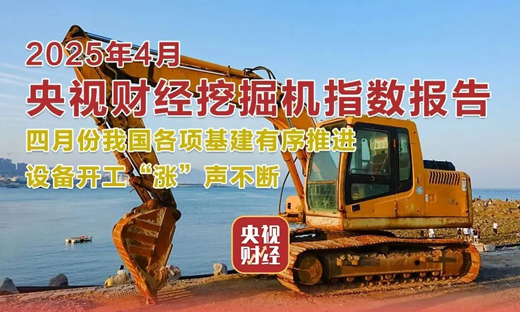
CCTV Finance × Sany Heavy Industry: Infrastructure results are released! Anhui is soaring, and the equipment of the western port has become a "dark horse"
2025.05.19
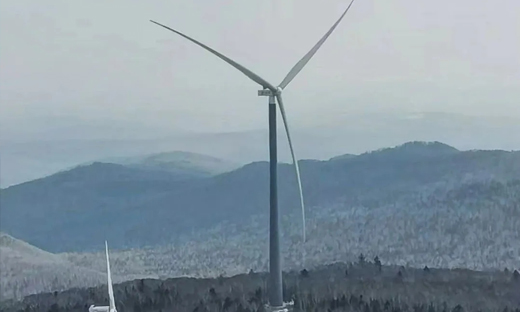
China's installed wind and solar capacity has historically surpassed that of thermal power
2025.04.28
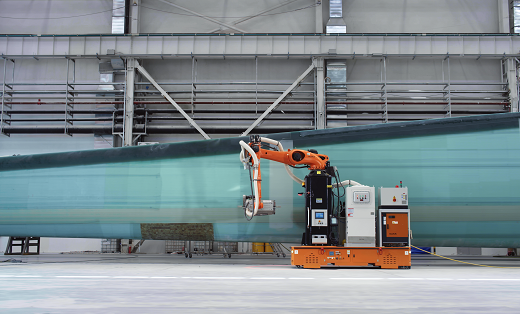
Breakthroughs have been made in the challenges of customization and high precision, and new progress has been made in the intelligent production of high-end equipment
2025.03.24




0 comments