
Earth-moving machineryConcrete machinerycraneRoad machineryPiling machineryCoal machineryPort machineryWind power equipmentSany heavy truckTrinity ConstructionPetroleum equipmentTrinity EnvironmentEnvironmental engineeringEmergency rescue equipmentMining dump truckstip truckAerial work machineryLithium battery equipmentWarehousing and logisticsPhotovoltaic productsHydrogen equipmentCrushing equipment
Micro-diggingSmall diggingMedium diggingBig diggingWheeled excavatorsLoaderDiversify your productsAttachments
Pump trucksMixer trucksConcrete batching plantOn-board pumpsElectric vehicle on-board pumpsTow pumpMortar pumpsWet sprayerFilling pumpsNew energy mixer truckDry mix mortar mixing plantMortar/concrete dual-purpose batching plant
Truck cranesAll-terrain cranesTruss boom crawler craneTelescopic crawler craneMultifunctional crawler craneFlat-top tower craneTruck-mounted cranes
Reach stackerContainer empty container handlersforkliftGrab steel (material) machinePure electric port tractorTelehandlersShore-to-shore container cranesRail-mounted container gantry craneRubber-tyred container gantry craneGantry crane
3.X Medium and low wind speed wind turbines4.X Medium and high wind speed / all-weather / customized product platform5.X-6. X MW customized product platform
Smart PC equipmentIntelligent AAC equipmentIntelligent steel processing equipmentMobile crushing and screening equipmentMould fixturesCategory 2 standards3 soft 1 platform
Mechanical fracturingElectric fracturingOil-connected equipmentWellhead automationOilfield machineryFracturing pumps
Pure electric road cleaning vehiclePure electric solid waste collection and transfer vehicleMunicipal maintenance vehicles
Compressed air foam fire truckdroneSpecial-duty fire trucksCombat logistics support fire trucksRaise jet fire trucksAscending platform fire truck
High-speed homogenization systemDouble-layer extrusion coaterRoller pressing and slitting machineZ-type cutting and stacking machineWinding machinePrimary and secondary injection machinesCompound capacity needle bedModule PACK line

Earth-moving machineryConcrete machinerycraneRoad machineryPiling machineryCoal machineryPort machineryWind power equipmentSany heavy truckTrinity ConstructionPetroleum equipmentTrinity EnvironmentEnvironmental engineeringEmergency rescue equipmentMining dump truckstip truckAerial work machineryLithium battery equipmentWarehousing and logisticsPhotovoltaic productsHydrogen equipmentCrushing equipment
Micro-diggingSmall diggingMedium diggingBig diggingWheeled excavatorsLoaderDiversify your productsAttachments
Pump trucksMixer trucksConcrete batching plantOn-board pumpsElectric vehicle on-board pumpsTow pumpMortar pumpsWet sprayerFilling pumpsNew energy mixer truckDry mix mortar mixing plantMortar/concrete dual-purpose batching plant
Truck cranesAll-terrain cranesTruss boom crawler craneTelescopic crawler craneMultifunctional crawler craneFlat-top tower craneTruck-mounted cranes
Reach stackerContainer empty container handlersforkliftGrab steel (material) machinePure electric port tractorTelehandlersShore-to-shore container cranesRail-mounted container gantry craneRubber-tyred container gantry craneGantry crane
3.X Medium and low wind speed wind turbines4.X Medium and high wind speed / all-weather / customized product platform5.X-6. X MW customized product platform
Smart PC equipmentIntelligent AAC equipmentIntelligent steel processing equipmentMobile crushing and screening equipmentMould fixturesCategory 2 standards3 soft 1 platform
Mechanical fracturingElectric fracturingOil-connected equipmentWellhead automationOilfield machineryFracturing pumps
Pure electric road cleaning vehiclePure electric solid waste collection and transfer vehicleMunicipal maintenance vehicles
Compressed air foam fire truckdroneSpecial-duty fire trucksCombat logistics support fire trucksRaise jet fire trucksAscending platform fire truck
High-speed homogenization systemDouble-layer extrusion coaterRoller pressing and slitting machineZ-type cutting and stacking machineWinding machinePrimary and secondary injection machinesCompound capacity needle bedModule PACK line
Sany Heavy Industry Sany Heavy Industry Co., Ltd. (SH:600031)
Trinity International Sany International (HK:00631)
Sany Renewable Energy Sany Renewable Energy (SH:688349)
Home > Industry information > Is the "peak season" of the oil service industry coming? The Big Three are preparing for expansion
Is the "peak season" of the oil service industry coming? The Big Three are preparing for expansion
2021.08.23
Petroleum Link
Recently, a number of oil companies announced their financial reports for the second quarter and the first half of the year, and the financial report data swept away the haze of the past, and the revenue and profit have increased significantly. At the same time as the industry is picking up, the performance level of oil service companies is also "rising". Schlumberger, Baker Hughes, and Halliburton saw a significant increase in their performance in the second quarter. Under the good momentum, they have shown optimistic expectations for the future development of the industry. Has the long-sluggish oil service industry really picked up? In the face of the trend of transformation of the global oil and gas industry, how should traditional oil service companies "break the situation"?
01 The situation of the oil service industry has improved
After a loss of 100 billion yuan, the oil service industry finally showed signs of recovery. A few days ago, the world's three major oil service companies have announced their second quarter and semi-annual financial reports for 2021. In the second quarter, Schlumberger grew across all four divisions, with global revenue increasing 8% sequentially, the highest quarterly revenue growth rate in four years. Halliburton's net profit was $227 million, a year-on-year increase of 113.54%, of which the profit margin of the completion and production division reached the highest level in three years. Although Baker Hughes has not completely shaken off the loss, the loss has also narrowed significantly compared with last year.

The performance turned red, which is a significant signal of the overall recovery of the oil service industry. Especially at the moment when oil prices are stable at about $70, oil service companies are getting rid of the haze of the industry and are expected to usher in a rebound cycle. At the same time, thanks to favorable factors such as the rebound in oil demand, oil service companies have also expressed optimistic expectations for the future. Schlumberger said the global economic recovery will trigger a supercycle in the energy industry, which will lead to greater profits for businesses. Regarding the next stage of oil and gas exploration and development, Baker Hughes said that with the improvement of the macro environment, exploration and development is expected to be more active, and it is necessary to prepare for the growth of the industry in 2022. Haliburton's expectations are more optimistic. Halliburton CEO Jeff Miller said a few days ago that the company is preparing to expand in the United States and overseas markets in the next few years. At the same time, he believes that a multi-year upward cycle in the industry is unfolding.
02 From an oil service company to an energy technology company
If the outlook for traditional businesses is not optimistic, why would Halliburton suggest that "a multi-year upcycle is underway"? In fact, in addition to the factors that the oil and gas industry is picking up as a whole, the oil service industry is also aiming at new industry opportunities. In step with the oil giants that are undergoing the transition, they are also focusing on low-carbon energy and technical services.
Previously, Schlumberger stated that it plans to add geothermal and CCUS to its existing business system in the future low-carbon world, while developing some new business types, such as green hydrogen and energy storage services. Another oil service giant, Baker Hughes, has also made considerable changes. According to the news, Baker Hughes is in the midst of a restructuring with the aim of building a business around the energy transition. While weakening the traditional oil and gas service business, Baker Hughes is actively exploring new business layouts such as CCUS, hydrogen energy, and geothermal. Compared with the previous two, Halliburton's direct transformation in new energy technology services is not very active, and it is more committed to improving the production efficiency of existing businesses through digital means to achieve low-carbon production. This is largely in line with the approach of its major customer, ExxonMobil.
In fact, oil service companies have always been at the forefront of technological innovation and services in the industry, whether it is the past when the oil and gas business occupies a "dominant" position, or in the future of comprehensive energy development. Moving beyond traditional business and entering the low-carbon field means that oil service companies have begun to actively adapt to the needs of energy transition, in order to continue to maintain market share in the changing energy field. Nowadays, the active change of oil service companies, represented by the three giants, also shows a significant signal of industry change: oil service companies are transforming into energy technology companies.
Disclaimer: The above content is reprinted from Petroleum Link
Related testimonials
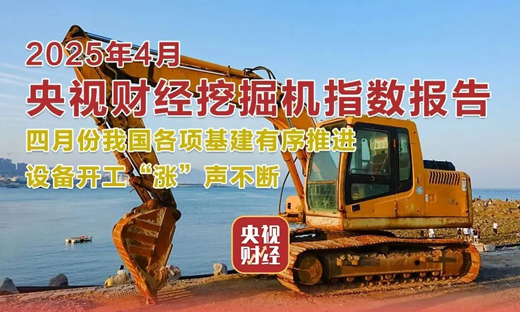
CCTV Finance × Sany Heavy Industry: Infrastructure results are released! Anhui is soaring, and the equipment of the western port has become a "dark horse"
2025.05.19
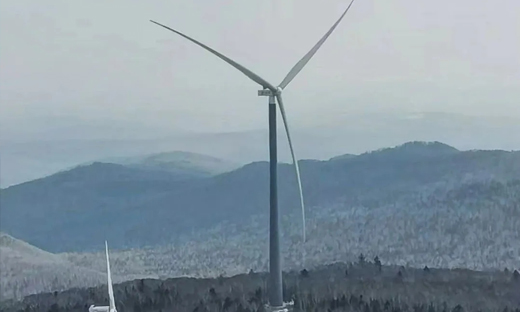
China's installed wind and solar capacity has historically surpassed that of thermal power
2025.04.28
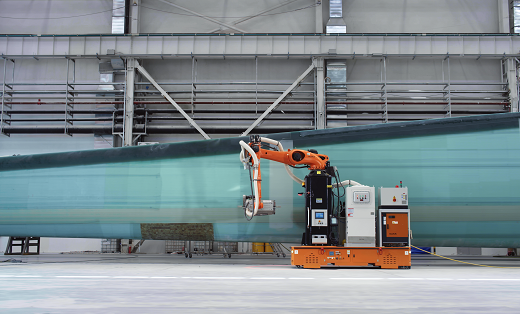
Breakthroughs have been made in the challenges of customization and high precision, and new progress has been made in the intelligent production of high-end equipment
2025.03.24




0 comments