
Earth-moving machineryConcrete machinerycraneRoad machineryPiling machineryCoal machineryPort machineryWind power equipmentSany heavy truckTrinity ConstructionPetroleum equipmentTrinity EnvironmentEnvironmental engineeringEmergency rescue equipmentMining dump truckstip truckAerial work machineryLithium battery equipmentWarehousing and logisticsPhotovoltaic productsHydrogen equipmentCrushing equipment
Micro-diggingSmall diggingMedium diggingBig diggingWheeled excavatorsLoaderDiversify your productsAttachments
Pump trucksMixer trucksConcrete batching plantOn-board pumpsElectric vehicle on-board pumpsTow pumpMortar pumpsWet sprayerFilling pumpsNew energy mixer truckDry mix mortar mixing plantMortar/concrete dual-purpose batching plant
Truck cranesAll-terrain cranesTruss boom crawler craneTelescopic crawler craneMultifunctional crawler craneFlat-top tower craneTruck-mounted cranes
Reach stackerContainer empty container handlersforkliftGrab steel (material) machinePure electric port tractorTelehandlersShore-to-shore container cranesRail-mounted container gantry craneRubber-tyred container gantry craneGantry crane
3.X Medium and low wind speed wind turbines4.X Medium and high wind speed / all-weather / customized product platform5.X-6. X MW customized product platform
Smart PC equipmentIntelligent AAC equipmentIntelligent steel processing equipmentMobile crushing and screening equipmentMould fixturesCategory 2 standards3 soft 1 platform
Mechanical fracturingElectric fracturingOil-connected equipmentWellhead automationOilfield machineryFracturing pumps
Pure electric road cleaning vehiclePure electric solid waste collection and transfer vehicleMunicipal maintenance vehicles
Compressed air foam fire truckdroneSpecial-duty fire trucksCombat logistics support fire trucksRaise jet fire trucksAscending platform fire truck
High-speed homogenization systemDouble-layer extrusion coaterRoller pressing and slitting machineZ-type cutting and stacking machineWinding machinePrimary and secondary injection machinesCompound capacity needle bedModule PACK line

Earth-moving machineryConcrete machinerycraneRoad machineryPiling machineryCoal machineryPort machineryWind power equipmentSany heavy truckTrinity ConstructionPetroleum equipmentTrinity EnvironmentEnvironmental engineeringEmergency rescue equipmentMining dump truckstip truckAerial work machineryLithium battery equipmentWarehousing and logisticsPhotovoltaic productsHydrogen equipmentCrushing equipment
Micro-diggingSmall diggingMedium diggingBig diggingWheeled excavatorsLoaderDiversify your productsAttachments
Pump trucksMixer trucksConcrete batching plantOn-board pumpsElectric vehicle on-board pumpsTow pumpMortar pumpsWet sprayerFilling pumpsNew energy mixer truckDry mix mortar mixing plantMortar/concrete dual-purpose batching plant
Truck cranesAll-terrain cranesTruss boom crawler craneTelescopic crawler craneMultifunctional crawler craneFlat-top tower craneTruck-mounted cranes
Reach stackerContainer empty container handlersforkliftGrab steel (material) machinePure electric port tractorTelehandlersShore-to-shore container cranesRail-mounted container gantry craneRubber-tyred container gantry craneGantry crane
3.X Medium and low wind speed wind turbines4.X Medium and high wind speed / all-weather / customized product platform5.X-6. X MW customized product platform
Smart PC equipmentIntelligent AAC equipmentIntelligent steel processing equipmentMobile crushing and screening equipmentMould fixturesCategory 2 standards3 soft 1 platform
Mechanical fracturingElectric fracturingOil-connected equipmentWellhead automationOilfield machineryFracturing pumps
Pure electric road cleaning vehiclePure electric solid waste collection and transfer vehicleMunicipal maintenance vehicles
Compressed air foam fire truckdroneSpecial-duty fire trucksCombat logistics support fire trucksRaise jet fire trucksAscending platform fire truck
High-speed homogenization systemDouble-layer extrusion coaterRoller pressing and slitting machineZ-type cutting and stacking machineWinding machinePrimary and secondary injection machinesCompound capacity needle bedModule PACK line
Sany Heavy Industry Sany Heavy Industry Co., Ltd. (SH:600031)
Trinity International Sany International (HK:00631)
Sany Renewable Energy Sany Renewable Energy (SH:688349)
Is the era of gas parity coming to an end?
2021.08.19
China Energy News
Increasing demand in Europe and Asia, as well as the decline in hydropower generation due to drought in the Americas, have stretched the supply of natural gas, setting off a new round of "gas rush" around the world. Against this backdrop, natural gas prices have become the "bellwether" for commodity prices, with benchmark natural gas prices in Europe, Asia and the United States all rising recently. The industry generally believes that the era of natural gas parity is coming to an end.
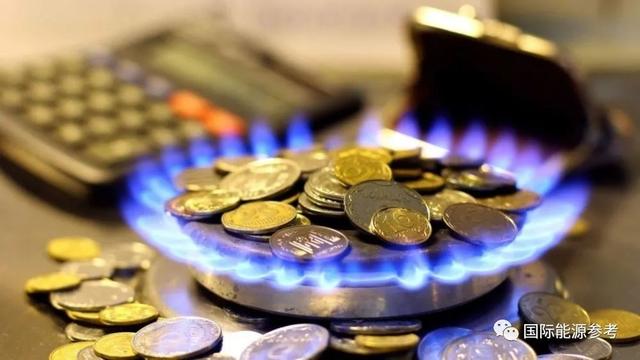
Benchmark gas prices have soared in many parts of the world
Natural gas prices in Europe and Asia have recently risen sharply due to tighter gas supplies. According to the Wall Street Journal, as of the end of July, the coronavirus outbreak caused natural gas prices in Europe to soar by more than 1,000% from their record lows in May last year, LNG prices in Asia have risen nearly sixfold in the past year, and even in the United States, where natural gas production has exploded due to the shale revolution, gas prices have recently reached their highest level in 10 years.
In the first week of August, European gas prices rose to €14/MMBtu for the first time, while domestic gas prices in the UK reached their highest level in 16 years, and gas prices at the Dutch trading hub also hit their highest level since records began in 2014 at $13.1/MMBtu.
At the same time, the Northeast Asia LNG spot benchmark price JKM also soared to $15.6/MMBtu as temperatures above historical averages in most Asian countries surged and demand for electricity surged, as some buyers began to prepare for winter heating. In the second week of August, JKM rose to its highest level since 2013, reaching $16.9/MMBtu.
Reuters noted that Europe has not been able to replenish gas inventories since last winter. "There is not enough LNG to supply Europe." ChrisMidgley, head of commodity data analytics at S&P Global Platts, said, "One of the main reasons is that large volumes of LNG are being shipped to Asia and Latin America. ”
Even in the United States, which has achieved "more gas and cheaper" gas prices due to the shale revolution, natural gas prices have been rising, and this year, after reaching the lowest point in more than 30 years last year, the price of natural gas in the United States has refreshed the highest summer price level since 2014. Henry Hub natural gas prices have risen by about 30% since the beginning of June, and into August, they have risen above $4/MMBtu, compared to just $1.85/MMBtu in the same period last year. In addition, the August New York natural gas futures contract also traded at its highest monthly price since December 2018 at about $4.04/MMBtu.
In recent months, the U.S. natural gas market has been hit by factors such as flat production, inventory deficits, and the hottest summer, with LNG exports in the first half of the year increasing by 42% year-on-year to a record 9.6 billion cubic feet per day, while domestic gas prices climbed to a 31-month high, according to Oil Price.com.
The situation of short supply and demand may not be alleviated
In the face of rising demand, the supply side of natural gas remains tight due to a lack of investment. The Financial Times pointed out that since the beginning of 2020, almost no new LNG export projects have been approved around the world, except for Qatar, which is promoting the expansion of large-scale gas export projects. Saudi Arabia plans to develop large natural gas fields in the country, but a large part of its production will eventually be used for its own hydrogen production projects.
It is understood that South and Southeast Asian countries plan to build dozens of new gas-fired power plants to meet more electricity demand. Normally, strong demand would have led to a boom in investment in new export facilities, but growing anti-gas sentiment and increasingly stringent methane emissions scrutiny have stalled several export projects.
As new capacity is difficult to catch up with the growth rate of demand, the situation of low natural gas prices has been forced to come to an abrupt end this year, and the shortage of supply and demand that is difficult to alleviate will promote the continuous rise in prices. It is reported that after a long and cold winter, buyers on the European continent are currently struggling to replenish natural gas for gas storage tanks and salt cavern-type gas storage caverns because a large number of LNG carriers are sailing more to Asia. Natasha Fielding, an Argus gas analyst, said the current gas inventory levels in Europe have reached a 10-year low.
Without new investment, Asia's LNG consumption will exceed supply by 160 million tonnes by 2035, compared with about 250 million tonnes imported last year, said Gavin Thompson, vice chairman of Wood Mackenzie's Asia Pacific region.
Forbes pointed out that the days of average annual double-digit growth in U.S. natural gas production may be coming to an end in the next 12-18 months, which means that the supply side remains tight, and the country's natural gas inventories are expected to be at low levels when winter begins in mid-November.
The market will face a structural shift
While a number of factors have pushed up natural gas prices, such as supply disruptions, economic rebound and slowdown in the construction of new LNG projects, there is a growing belief that the natural gas market will still face structural shifts. Ten years ago, the world entered a "golden age" of increased demand for natural gas, with global gas consumption increasing by 30% between 2009 and 2020 in anticipation of low-cost supply expansion.
Today, expectations that global natural gas prices will continue to rewrite high price records continue to strengthen. S&P Global Platts noted that global natural gas prices are likely to remain elevated for at least a year, unless temperatures are mild this winter, given that hot summers in the Northern Hemisphere have kept inventories low in key markets.
The continued rise in natural gas prices will have a series of ripple effects in the global economy. For example, high gas prices are not good news for poorer countries, which often have energy policies based on the assumption that fuel prices will remain low for longer, forcing them to redesign their national energy policies.
Rising natural gas prices mean higher costs to power plants or produce petrochemicals, and for consumers, this will lead to higher energy and gas utility bills. The International Energy Agency expects natural gas demand to grow by 7% by 2024 from pre-pandemic levels. McKinsey agrees that LNG demand is expected to grow at an annual rate of 3.4% by 2035, outpacing other fossil fuels.
James Taverner, an analyst at Aixin Huamai, said that natural gas is the "cleanest" fossil fuel, emitting about 50% less carbon dioxide than coal under the same conditions, and its importance to the energy transition is undoubted, which can solve the problems of intermittency and instability of wind and solar power, and play a bridging role in the energy transition.
"As the world's major economies commit to carbon neutrality, natural gas will be the most important transition fuel in the coming decades, and prices will remain high in the medium term and continue to rise in the long term," said Chris Weifer, CEO of Macro Consulting. ”
Disclaimer: The above content is reprinted from China Energy News
Related testimonials
CCTV Finance × Sany Heavy Industry: Infrastructure results are released! Anhui is soaring, and the equipment of the western port has become a "dark horse"
2025.05.19
China's installed wind and solar capacity has historically surpassed that of thermal power
2025.04.28
Breakthroughs have been made in the challenges of customization and high precision, and new progress has been made in the intelligent production of high-end equipment
2025.03.24




0 comments