
Earth-moving machineryConcrete machinerycraneRoad machineryPiling machineryCoal machineryPort machineryWind power equipmentSany heavy truckTrinity ConstructionPetroleum equipmentTrinity EnvironmentEnvironmental engineeringEmergency rescue equipmentMining dump truckstip truckAerial work machineryLithium battery equipmentWarehousing and logisticsPhotovoltaic productsHydrogen equipmentCrushing equipment
Micro-diggingSmall diggingMedium diggingBig diggingWheeled excavatorsLoaderDiversify your productsAttachments
Pump trucksMixer trucksConcrete batching plantOn-board pumpsElectric vehicle on-board pumpsTow pumpMortar pumpsWet sprayerFilling pumpsNew energy mixer truckDry mix mortar mixing plantMortar/concrete dual-purpose batching plant
Truck cranesAll-terrain cranesTruss boom crawler craneTelescopic crawler craneMultifunctional crawler craneFlat-top tower craneTruck-mounted cranes
Reach stackerContainer empty container handlersforkliftGrab steel (material) machinePure electric port tractorTelehandlersShore-to-shore container cranesRail-mounted container gantry craneRubber-tyred container gantry craneGantry crane
3.X Medium and low wind speed wind turbines4.X Medium and high wind speed / all-weather / customized product platform5.X-6. X MW customized product platform
Smart PC equipmentIntelligent AAC equipmentIntelligent steel processing equipmentMobile crushing and screening equipmentMould fixturesCategory 2 standards3 soft 1 platform
Mechanical fracturingElectric fracturingOil-connected equipmentWellhead automationOilfield machineryFracturing pumps
Pure electric road cleaning vehiclePure electric solid waste collection and transfer vehicleMunicipal maintenance vehicles
Compressed air foam fire truckdroneSpecial-duty fire trucksCombat logistics support fire trucksRaise jet fire trucksAscending platform fire truck
High-speed homogenization systemDouble-layer extrusion coaterRoller pressing and slitting machineZ-type cutting and stacking machineWinding machinePrimary and secondary injection machinesCompound capacity needle bedModule PACK line

Earth-moving machineryConcrete machinerycraneRoad machineryPiling machineryCoal machineryPort machineryWind power equipmentSany heavy truckTrinity ConstructionPetroleum equipmentTrinity EnvironmentEnvironmental engineeringEmergency rescue equipmentMining dump truckstip truckAerial work machineryLithium battery equipmentWarehousing and logisticsPhotovoltaic productsHydrogen equipmentCrushing equipment
Micro-diggingSmall diggingMedium diggingBig diggingWheeled excavatorsLoaderDiversify your productsAttachments
Pump trucksMixer trucksConcrete batching plantOn-board pumpsElectric vehicle on-board pumpsTow pumpMortar pumpsWet sprayerFilling pumpsNew energy mixer truckDry mix mortar mixing plantMortar/concrete dual-purpose batching plant
Truck cranesAll-terrain cranesTruss boom crawler craneTelescopic crawler craneMultifunctional crawler craneFlat-top tower craneTruck-mounted cranes
Reach stackerContainer empty container handlersforkliftGrab steel (material) machinePure electric port tractorTelehandlersShore-to-shore container cranesRail-mounted container gantry craneRubber-tyred container gantry craneGantry crane
3.X Medium and low wind speed wind turbines4.X Medium and high wind speed / all-weather / customized product platform5.X-6. X MW customized product platform
Smart PC equipmentIntelligent AAC equipmentIntelligent steel processing equipmentMobile crushing and screening equipmentMould fixturesCategory 2 standards3 soft 1 platform
Mechanical fracturingElectric fracturingOil-connected equipmentWellhead automationOilfield machineryFracturing pumps
Pure electric road cleaning vehiclePure electric solid waste collection and transfer vehicleMunicipal maintenance vehicles
Compressed air foam fire truckdroneSpecial-duty fire trucksCombat logistics support fire trucksRaise jet fire trucksAscending platform fire truck
High-speed homogenization systemDouble-layer extrusion coaterRoller pressing and slitting machineZ-type cutting and stacking machineWinding machinePrimary and secondary injection machinesCompound capacity needle bedModule PACK line
Sany Heavy Industry Sany Heavy Industry Co., Ltd. (SH:600031)
Trinity International Sany International (HK:00631)
Sany Renewable Energy Sany Renewable Energy (SH:688349)
Home > Trinity News > Sprint double carbon丨Sany pile crane lighthouse factory leads the new trend of the industry
Sprint double carbon丨Sany pile crane lighthouse factory leads the new trend of the industry
2021.10.11
On September 27, the World Economic Forum (WEF) officially released the new list of "lighthouse factories" in the global manufacturing industry, and Sany Heavy Industry Beijing Pile Driver Factory was successfully selected, becoming the first certified "lighthouse factory" in the global heavy industry industry.
Intelligent manufacturing is the most dazzling light of this factory, and green is its background color. To help the "3060" double carbon goal, Sany Pile Driver Lighthouse Factory has also made a "lighthouse" demonstration role.
As of August 2021, the Sany Pile Driver Lighthouse Factory has saved 386,300 kWh of electricity, 301,600 cubic meters of natural gas, and 47,400 tons of water. According to the calculation of the carbon dioxide emission coefficient of various energy sources in the national environmental protection indicators, the pile driver factory reduced carbon dioxide emissions by 3,977 tons per year, and the emissions decreased by 30.5% year-on-year.
At the same time, the annual output value of Sany pile lighthouse factory increased by 35.78% year-on-year, and the per capita output value increased by 14.36% year-on-year.
How is this possible to reduce carbon emissions and increase both output value and per capita efficiency?
The answer given by Sany Pile Driver Lighthouse Factory is:Through the combination of industrial Internet technology and industrial mechanism, the optimal energy efficiency model and evaluation index are established to realize the refined management of energy and the application of energy conservation.In short, it means "stepping on the accelerator" at the source, and then "calculating" in the details, so as to achieve overall decarbonization.
"Steady on the accelerator" from the source
In the past, water leakage and electricity leakage occurred in large factories, which were difficult to detect with the naked eye, and were always discovered long after the failure occurred, which affected production and energy waste, and caused safety accidents.
As a heavy equipment manufacturing plant, Sany Pile Crane Lighthouse Factory produces many product categories, small batches, complex processes, scattered energy use and involves water, electricity, oil, gas and other media, and it is even more difficult to calculate and manage energy consumption.
Starting from the source, Sany Pile Crane Lighthouse Factory uses 5G and industrial Internet technology to connect thousands of hydropower, oil and gas meters and manufacturing equipment in the factory, covering all processes such as welding and painting, and conducting real-time data collection and monitoring.
At the same time, Sany Pile Crane Lighthouse Factory is the industry's first digital kanban of energy topology map, which visualizes energy consumption, so that every cent of energy consumption and every gram of carbon emissions will be traced, so that the black hole of energy consumption has nowhere to hide.
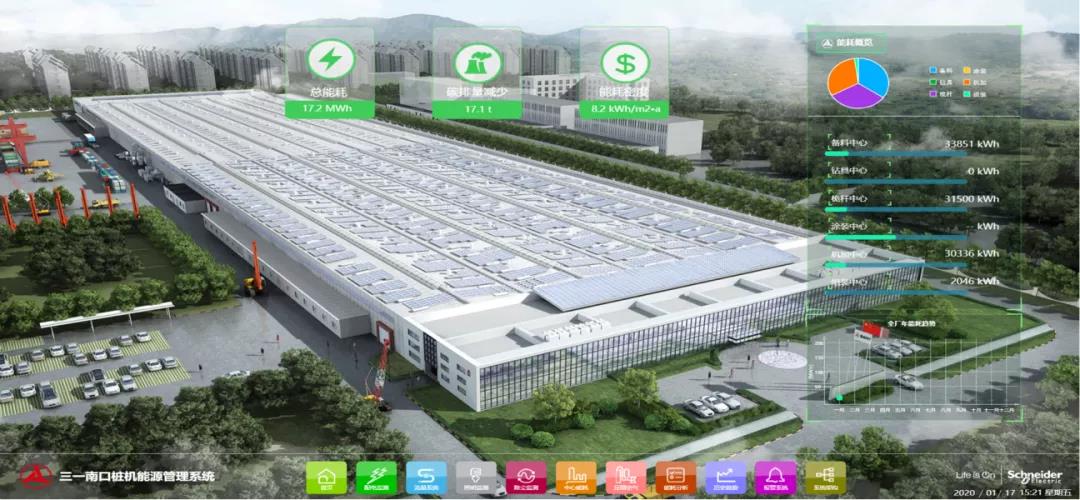
Figure 丨Energy management system
For example, on a certain day in May 2021, a toilet in a factory used 108 tons/day of water, and the system immediately carried out an alarm about the overrun of water consumption, and the relevant responsible person found that there was a serious leakage point in the underground pipe network of the bathroom, and the water consumption dropped to 11.2 tons/day after rapid repair, returning to normal levels.
At present, Sany Pile Crane Lighthouse Factory has developed a mobile phone real-time alarm function, which will push alarms if the hourly energy consumption exceeds the limit and the daily energy consumption difference rate is too large, so as to truly "step on the accelerator".
"Careful Planning" in the Details
The fine management of energy is only the foundation, combined with the industrial mechanism, the energy efficiency of each process in the factory is "carefully calculated", which is the advanced way of energy conservation and emission reduction of Sany pile crane lighthouse factory.
For example, in terms of welding, the welding process includes more than 10 kinds of continuous welding, intermittent welding, spot welding, etc., and there are more than 10 kinds of raw material materials, such as cemented carbide steel and low-carbon alloy steel, there are more than 20 kinds of plate thickness, and there are 3 kinds of common grooves.
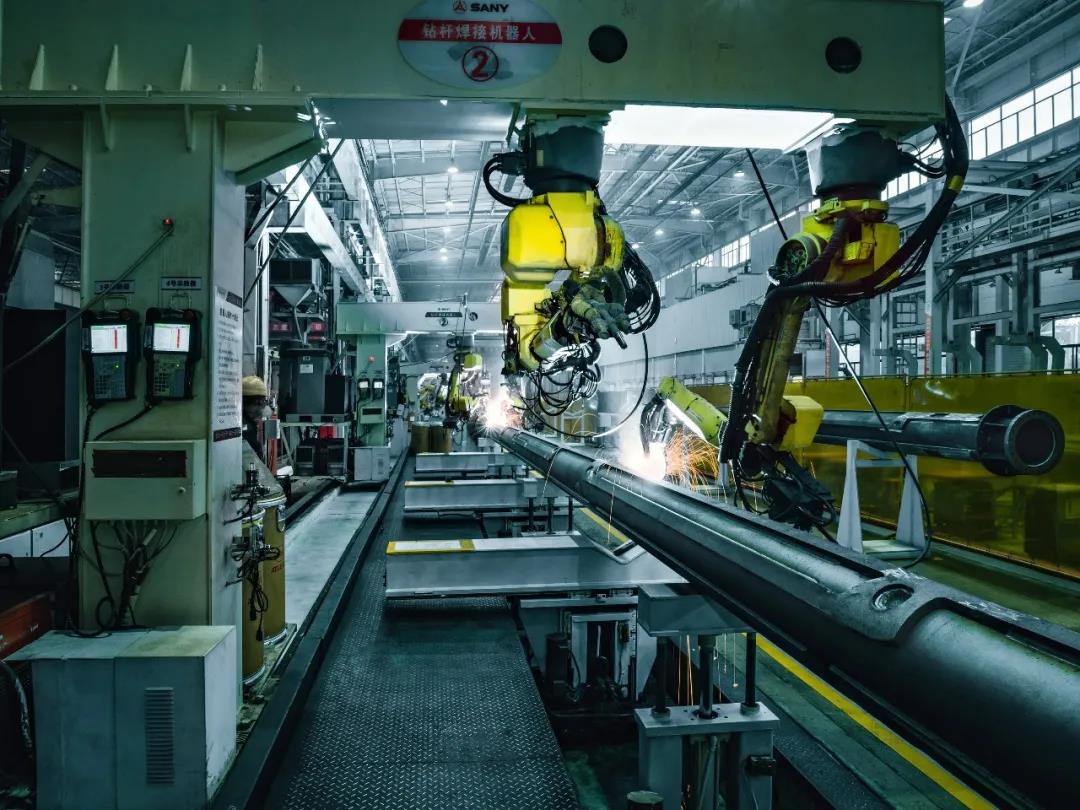
Figure丨Automated welding
Combined with the trillions of welding historical data accumulated in the past three years, Sany Pile Driver Lighthouse Factory has established an optimal energy efficiency model of welding machines, identified abnormal energy consumption and optimized the process, so as to achieve efficiency improvement, cost reduction and low consumption.
For example, for the welding of the external key of the SK580 rotary drilling drill pipe with 18 meters of machine lock, after optimization, the power consumption per kilogram of welding wire is reduced from 1.71 kWh/kg to 1.40 kWh/kg, which saves 16.9% of electricity and 18.2% of mixed gas.
With this welding process alone, the Sany Pile Driver Lighthouse Factory has achieved a power saving of 14.3% and a mixture of 23.0% from January to August 2021.
For blanking, coating, machining and other processes and related equipment, Sany Pile Driver Lighthouse Factory has combined the corresponding characteristics for energy-saving applications, so that the equipment can be "adaptable" according to the specific situation and has been in the most energy-saving operation state.
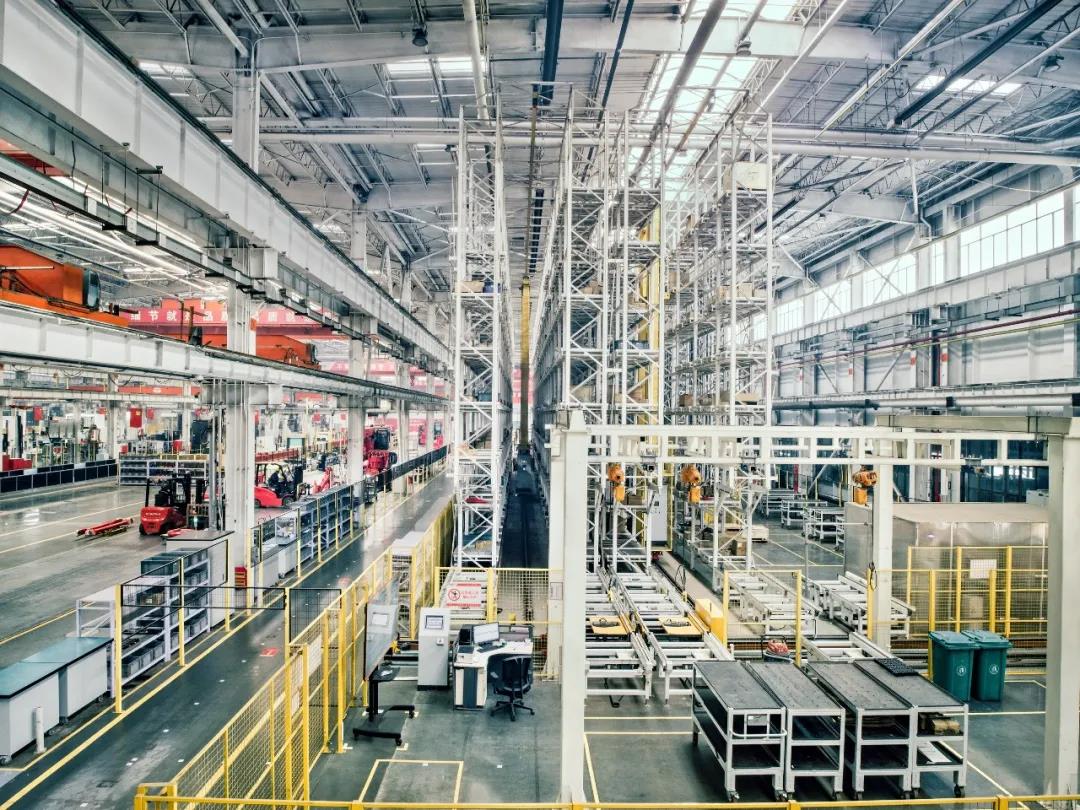
Figure丨Automatic blanking
After the promotion of related applications in Sany Group, as of August 2021, the energy cost of 10,000 yuan of output value decreased by 32.43% year-on-year, saving 60.88 million kWh of electricity, saving 3.8 million cubic meters of gas, saving 1.01 million tons of water, and reducing carbon emissions by 451,300 tons, a decrease of 24.5%.
Today, the Sany Pile Crane Lighthouse Factory, located at the foot of Fenghuangling Mountain in western Beijing, has now been integrated with the green environment, leading the new trend of intelligent manufacturing in the industry, and becoming a leading "lighthouse" for low-carbon manufacturing in the global heavy industry industry.
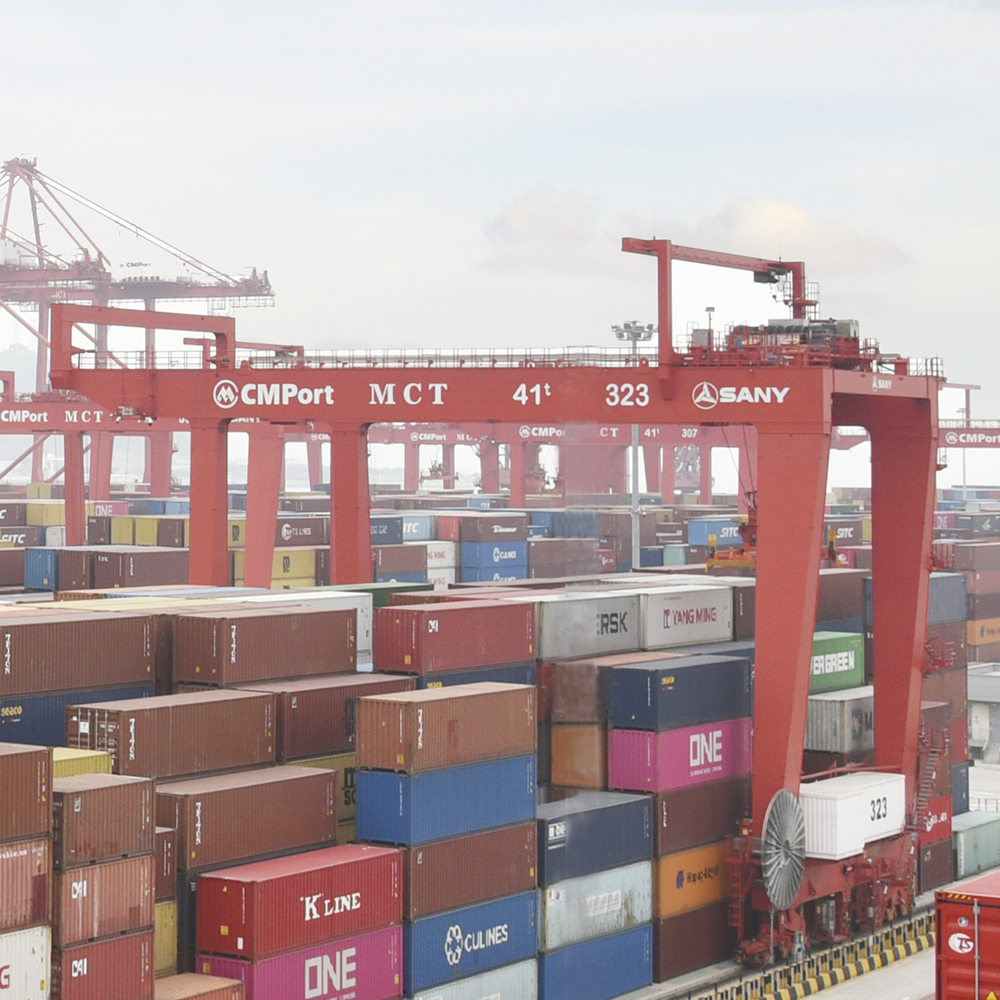
Rail-mounted container gantry crane automation
Rail-mounted container gantry craneRecommended products
automation
Rail-mounted container gantry crane automationNext article:Only fast and unbreakable丨5G full connection makes this factory stage an "elephant run"
0 comments




0 comments