

Sany equipment has made great contributions! Bangladesh's "Bridge of Dreams" opens to traffic!
2022.07.04
Sany Group
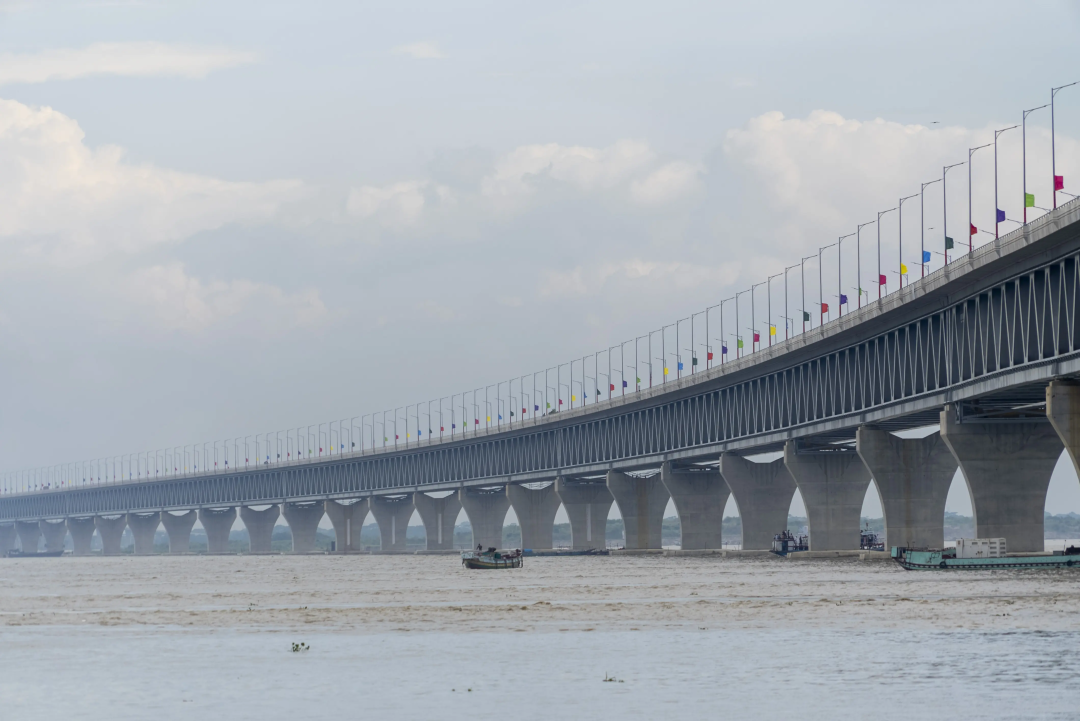
On June 25, local time, after 8 years of construction, the Bangladesh Padma Bridge, which was constructed by China Railway Bridge Bureau and participated by 56 Sany equipment, was completed and opened to traffic.
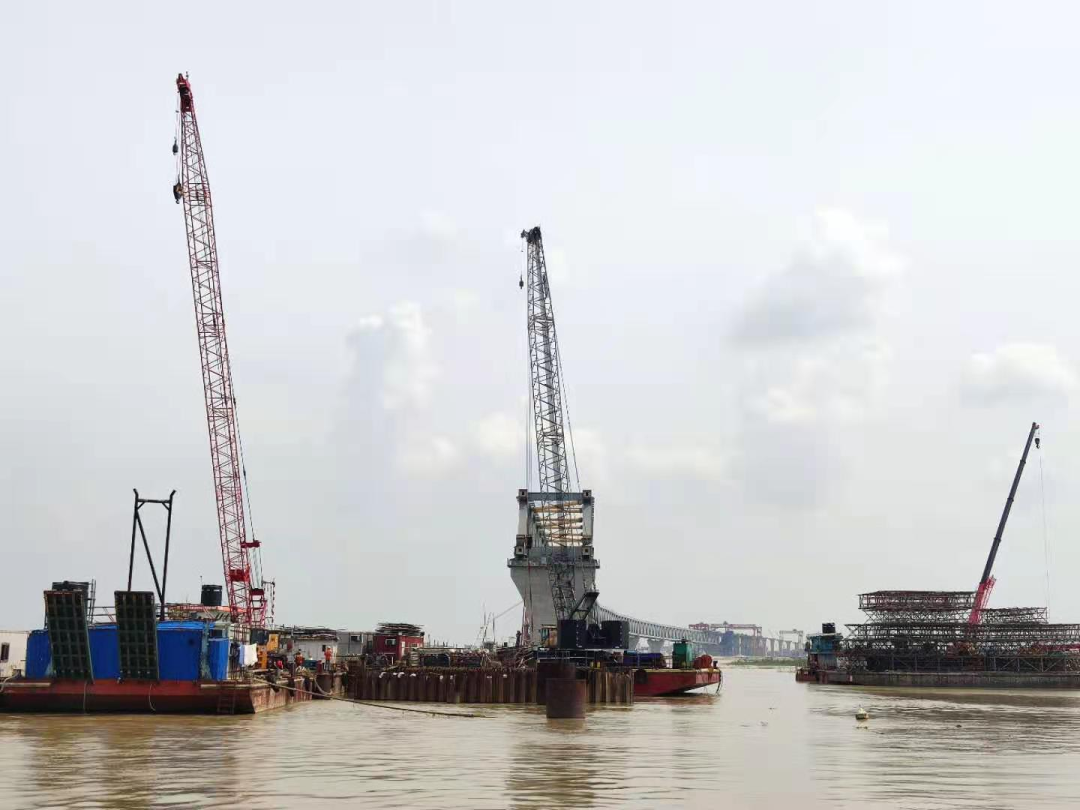
The Padma River is known as the "water of life" of Bangladesh, but it also divides Bangladesh into two parts: southwest and northeast. Because the river is too wide, the water is turbulent, and the floods are frequent, there has been no bridge built in the lower reaches of the Padma River, and the residents on both sides of the river can only rely on boats to cross the river, so the Padma Bridge is also called the "Bridge of Dreams" by local residents.
Located about 40 kilometers southwest of Dhaka, the Padma Bridge is 9.8 kilometers long and the main bridge is 6.15 kilometers long, setting a record for the largest overseas bridge project undertaken by a Chinese company.
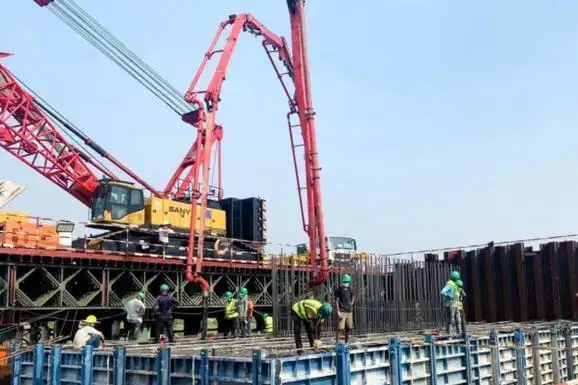
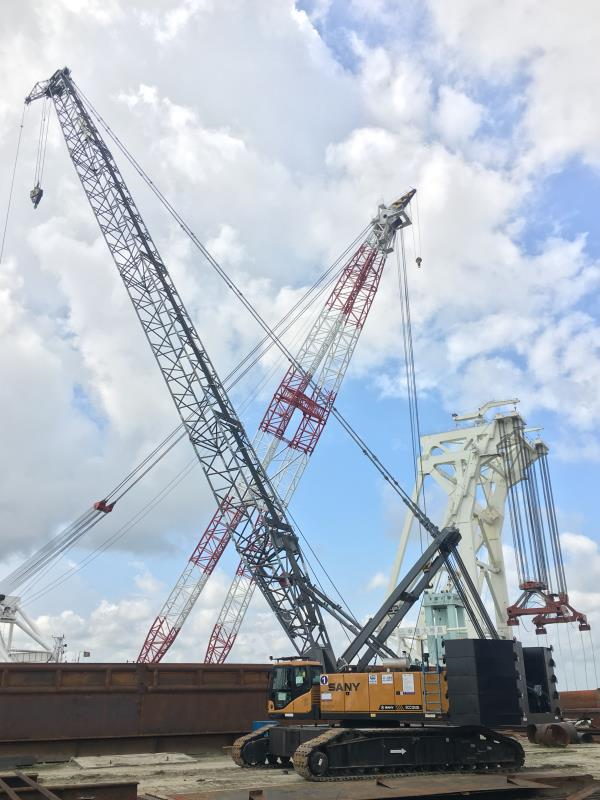
As one of the core equipment suppliers of the project, Sany has participated in the construction of 56 large-scale equipment for a long time, including 28 lifting equipment, 7 earthmoving equipment and 16 concrete equipment. During the construction of the project, Sany products have strong power, high attendance and high operation efficiency, and have been well received by all parties.
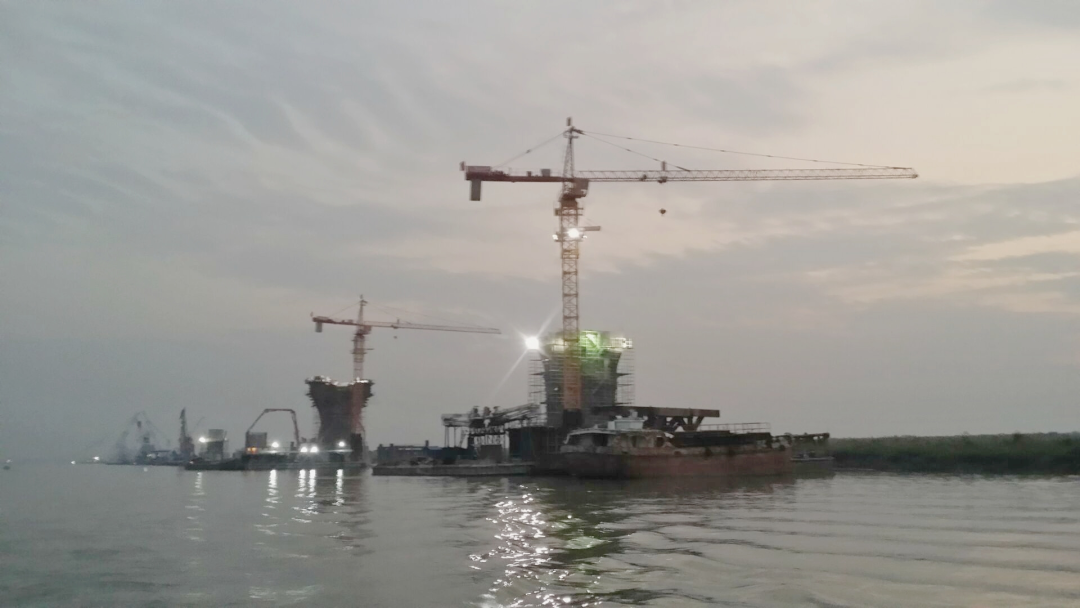
At the same time, Sany dispatched service engineers are stationed around the clock, on call 24 hours a day, and establish an independent parts supply system, regular equipment inspection, etc., to ensure that all construction equipment always maintains the best operating condition. Due to its outstanding contribution to the construction of the project, the project department has successively awarded Sany with honors such as "Excellent Partner" and "Quality Service Unit".
Speaking at the opening ceremony, Bangladesh Prime Minister Sheikh Hasina said that the Padma Bridge is an important part of the Asian Highway network, and its completion and opening will play a huge role in promoting regional trade.
When opened, the bridge will connect 21 districts in southern Bangladesh to the capital Dhaka, allowing residents on both sides of the Padma River to say goodbye to their ferry-based history, and is expected to bring 1.5% annual GDP growth to Bangladesh, benefiting more than 80 million people.





0 comments